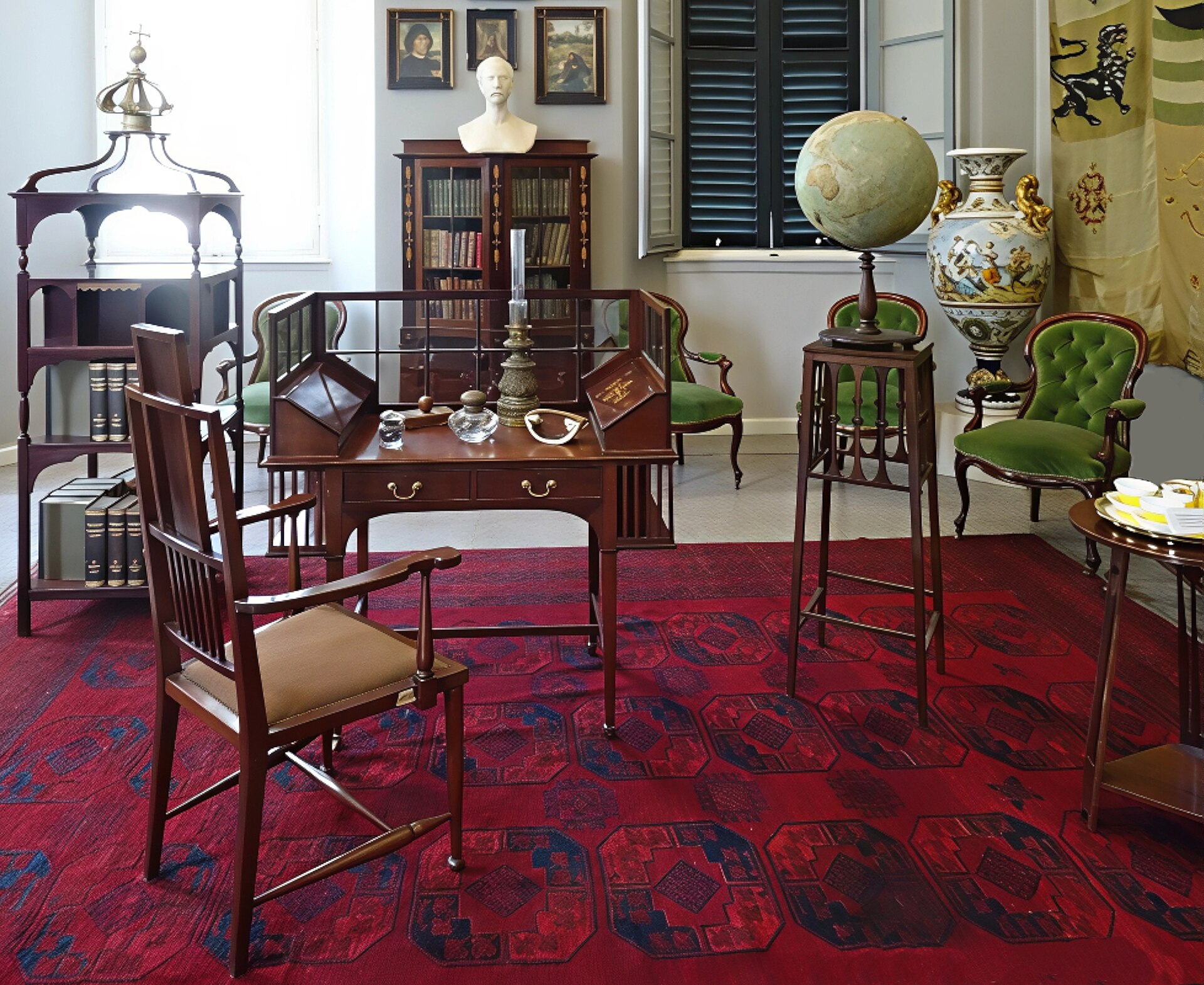
A painted antique cabinet, a contemporary lamp and a ceramic bowl from a recent atelier can share a room. What they need is a relationship, not a matching date.
Begin by identifying what each object contributes. Perhaps the cabinet gives height and a dark surface; the lamp introduces a curve; the bowl carries a colour repeated nowhere else. If every piece is asking to be the centre of attention, the room may feel restless. If one object leads and the others answer it, difference becomes conversation.
Look for a common measure rather than a uniform “style”. That measure might be proportion, a recurring material, the quality of light, or a rhythm of quiet and expressive forms. You can test it without buying anything: move one object, remove another, photograph the room at the hour you use it most. The image will show where the eye stops and where it has nowhere to rest.
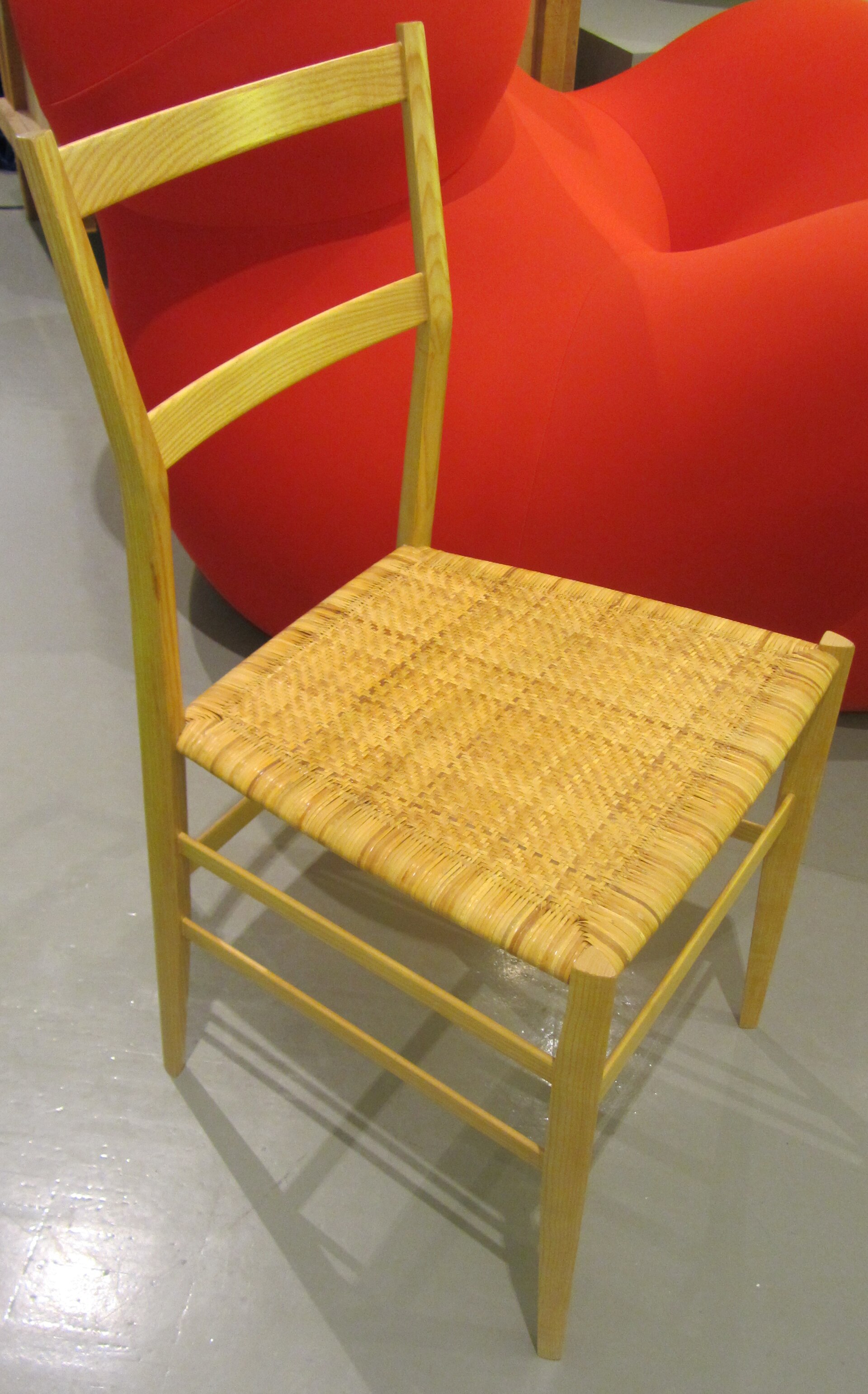
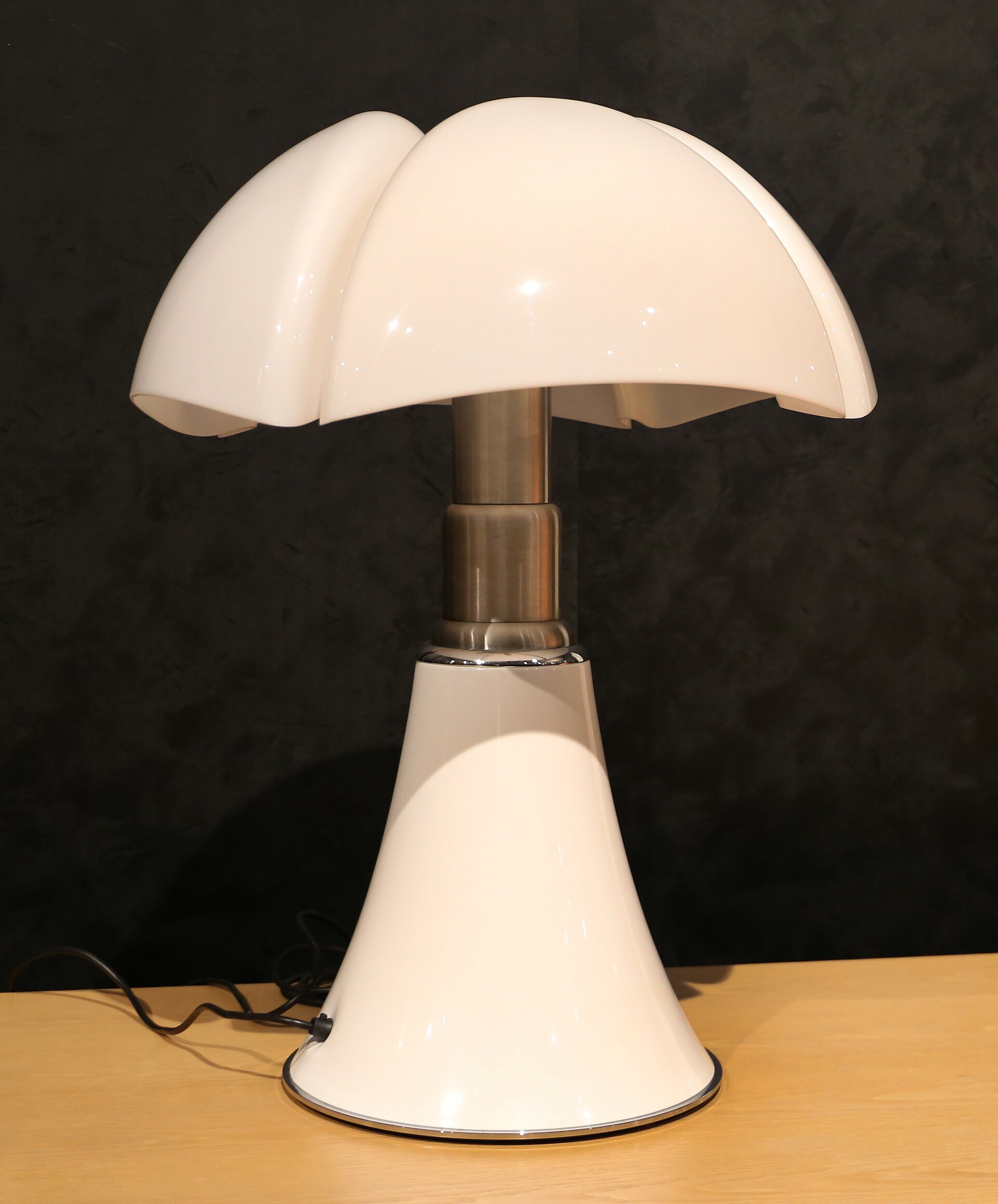
An Italian design classic does not become more meaningful because it sits among other icons. It may be more alive next to a table inherited from a family member or a new work whose maker you met. The stories do not need to match. They need enough space to be heard.
One way to begin is to put two objects in conversation before bringing in a third. Look at their proportions rather than their dates. Does the height of an old cabinet answer the line of a new lamp? Does a contemporary ceramic have enough space to be seen against a patterned surface? The relationship can be subtle. A shared warmth of material or a repeated curve may be enough; a room does not need an explicit theme to feel coherent.
The mistake is often to make every object defend its presence at once. A famous chair, a strongly patterned textile and a dramatic artwork can each be wonderful and still compete in the same corner. Move one away and see what happens. Living with pieces from different moments gives you the freedom to edit slowly. The result may be less photogenic on the day it is assembled and more convincing after a year of use.
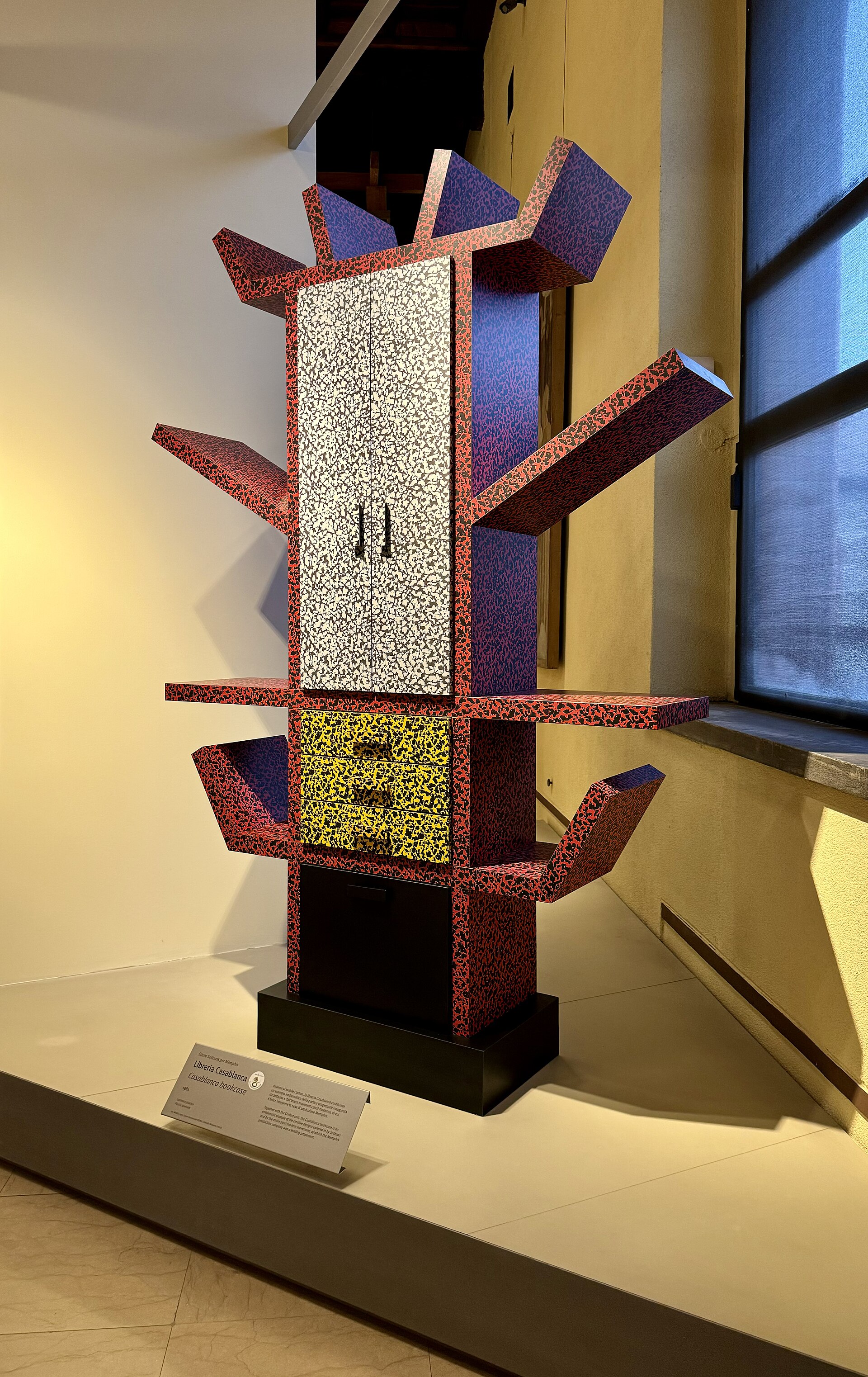
This is one reason to choose slowly. A room does not have to be completed in a season. It can accumulate evidence of where you have been, what you have learned to like, and which objects still make you look again.