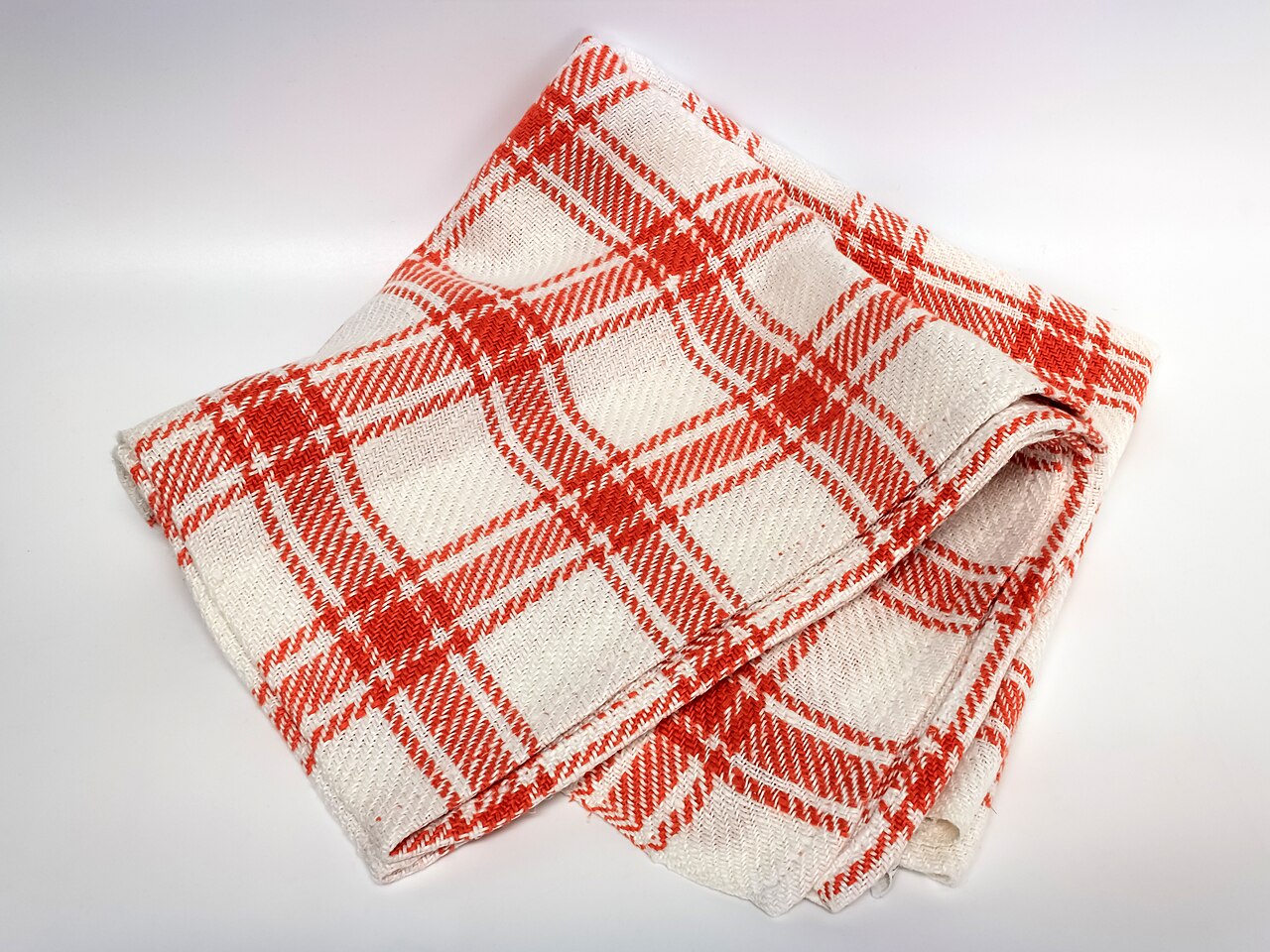
Linen is often sold through a picture of an effortless table: soft folds, a bowl of fruit, no stain in sight. The cloth you bring home will meet breakfast, guests and laundry. That is where the choice becomes interesting.
Read the fibre composition rather than relying on a product’s mood. In the EU, textiles sold to consumers must state their fibre composition. A linen blend may behave differently from a pure linen cloth; a beautiful photograph does not tell you the proportions. Ask for a sample if the hand and fall matter to you, and for the maker’s own washing and finishing instructions.
Think about the role. A tablecloth that covers the whole table and a set of napkins used every day have different exposure to spills and washing. Bed linen meets skin for hours. Curtains are judged in changing light. One fibre name cannot answer every one of those questions. Weight, weave, finish and intended use matter.
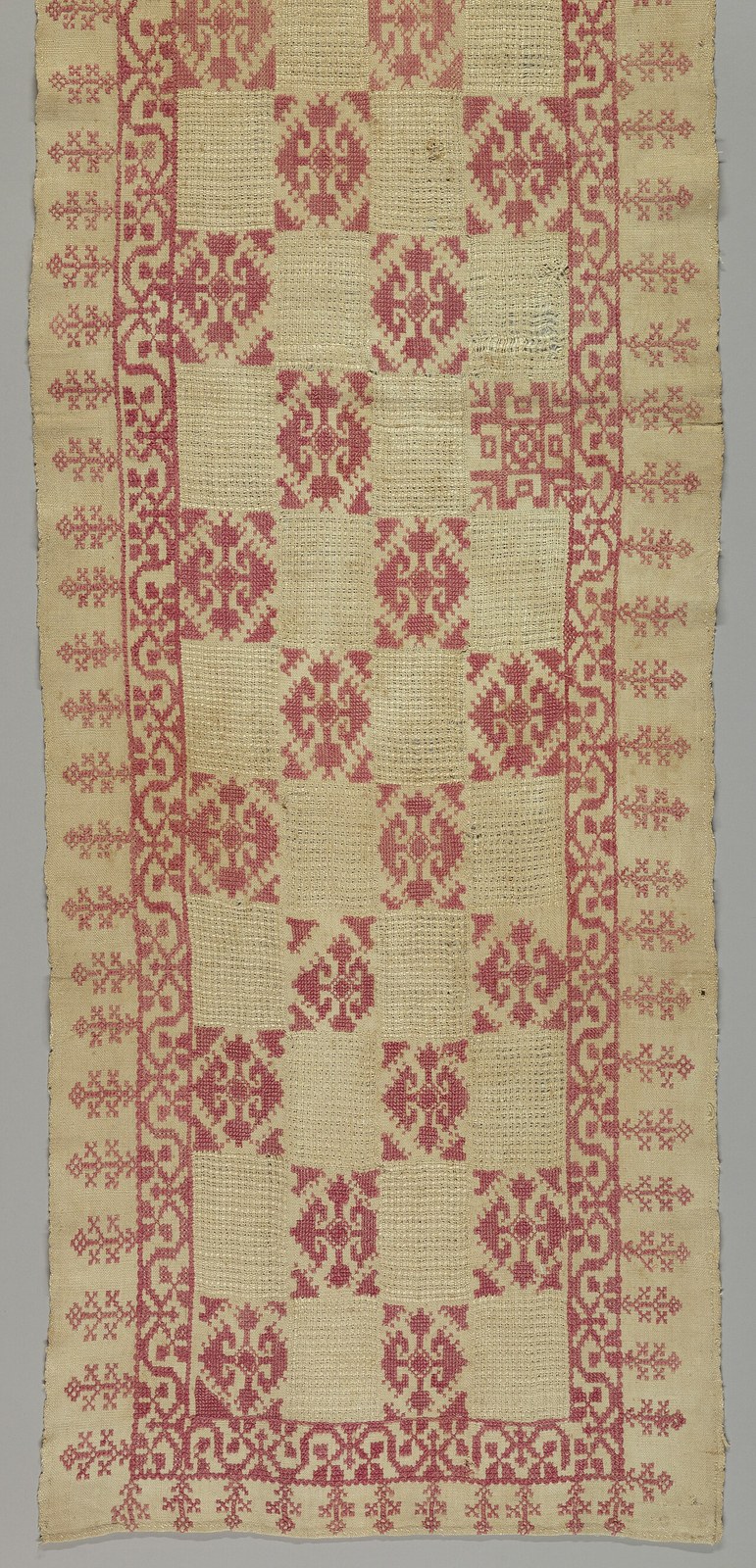
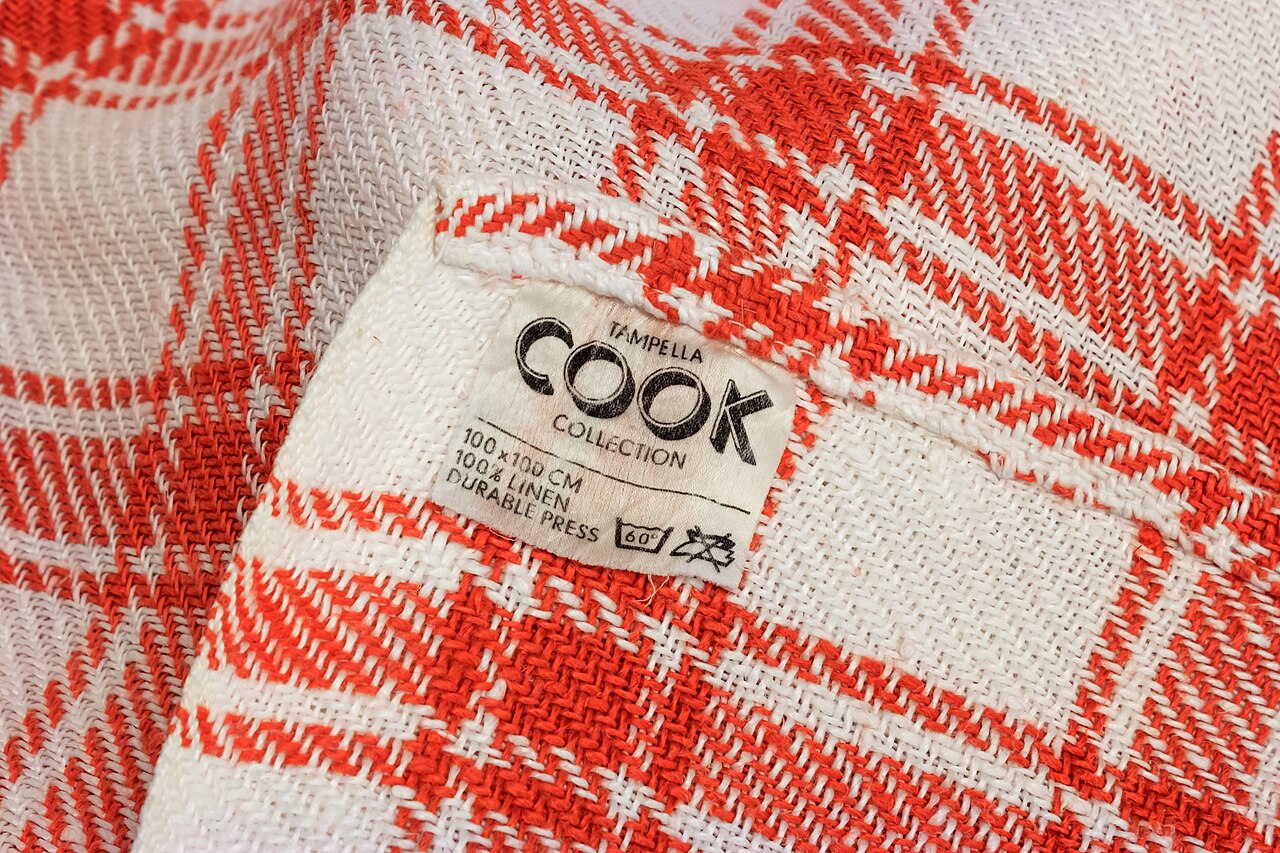
At Busatti in Anghiari, the company describes linen and cotton woven on shuttle looms in its historic premises, alongside newer work elsewhere in the business. That is a useful reminder: an old loom can be part of the story, but the cloth must still answer the present question of how you want to live with it.
A sample can settle an argument that a product photograph cannot. Put it against your skin, hold it to the light and let it fall over the table edge. Notice whether you enjoy its creases or find yourself straightening them. Neither reaction is a failure to appreciate linen. It tells you how the textile will fit your real tolerance for care and your taste for a lived-in surface.
Keep fibre, weave and finishing separate in your mind. Two cloths with the same fibre content can behave differently because of weight and construction. The producer's care instructions belong to the specific product, not to every object sold under the word “linen”. If you are furnishing a room, ask how a sample behaves after washing before buying a large amount. The fabric you love after contact and care is a better choice than the one you admired only while it was perfectly pressed.
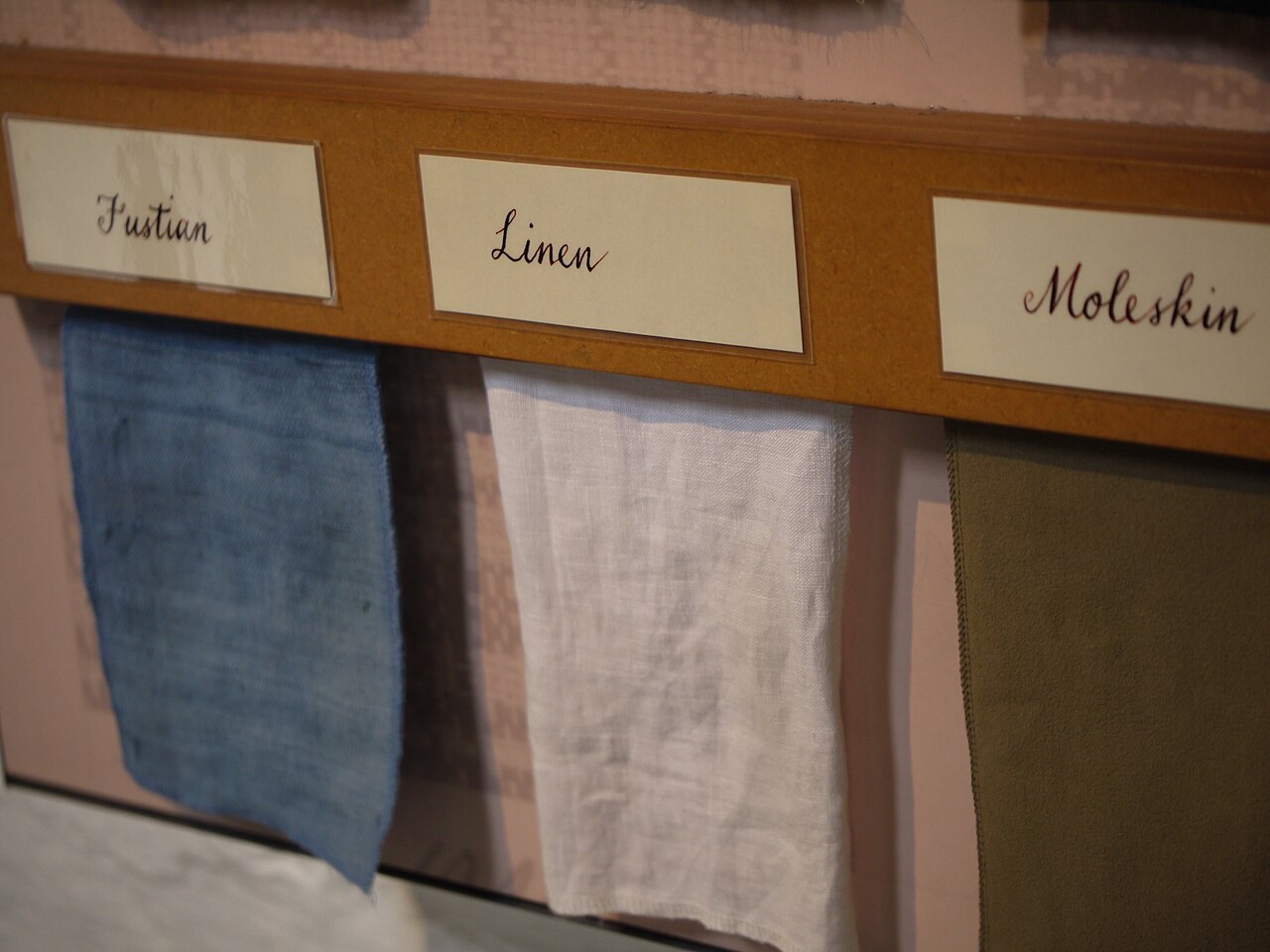
The right textile is not the one you feel obliged to protect from ordinary life. It is the one whose texture, use and care you understand well enough to enjoy.