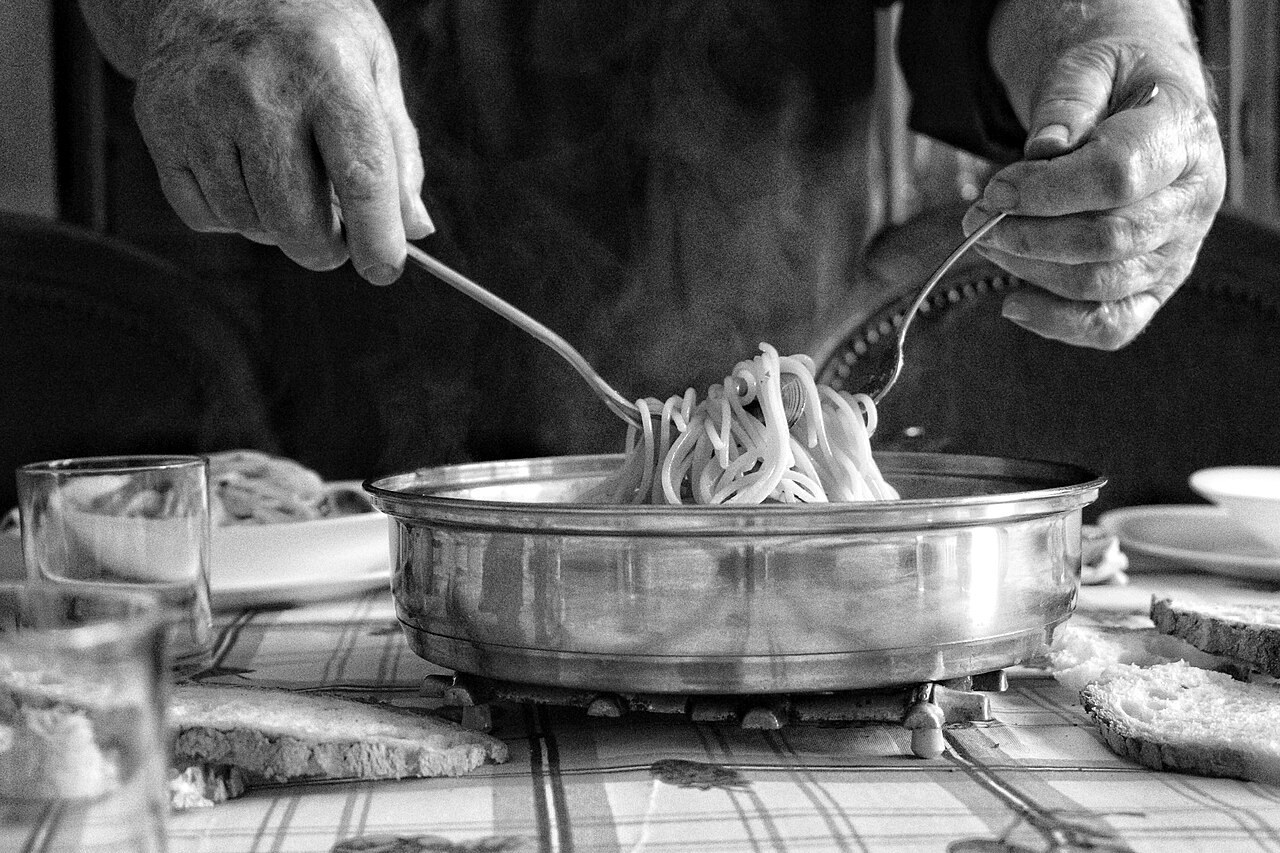
An empty dining room makes it easy to choose a table by the photograph. A lived-in one asks harder questions. Where does someone pass behind a seated guest? Where does the serving dish land? What happens when two more people join?
Start by measuring the room with the chairs in use, not tucked perfectly underneath. Mark the proposed tabletop on the floor. Pull a chair out, walk around it and see whether the route still feels easy. This small rehearsal often settles the question of size more honestly than an inspirational image.
Then consider the form. A round table allows a different kind of conversation from a long rectangular one. An extendable table changes the relationship between daily life and occasional company. A material that records marks may become a shared history or a constant source of worry, depending on how you want to live. Ask the maker what finish can be maintained or repaired, and how the construction supports the length or extension you need.
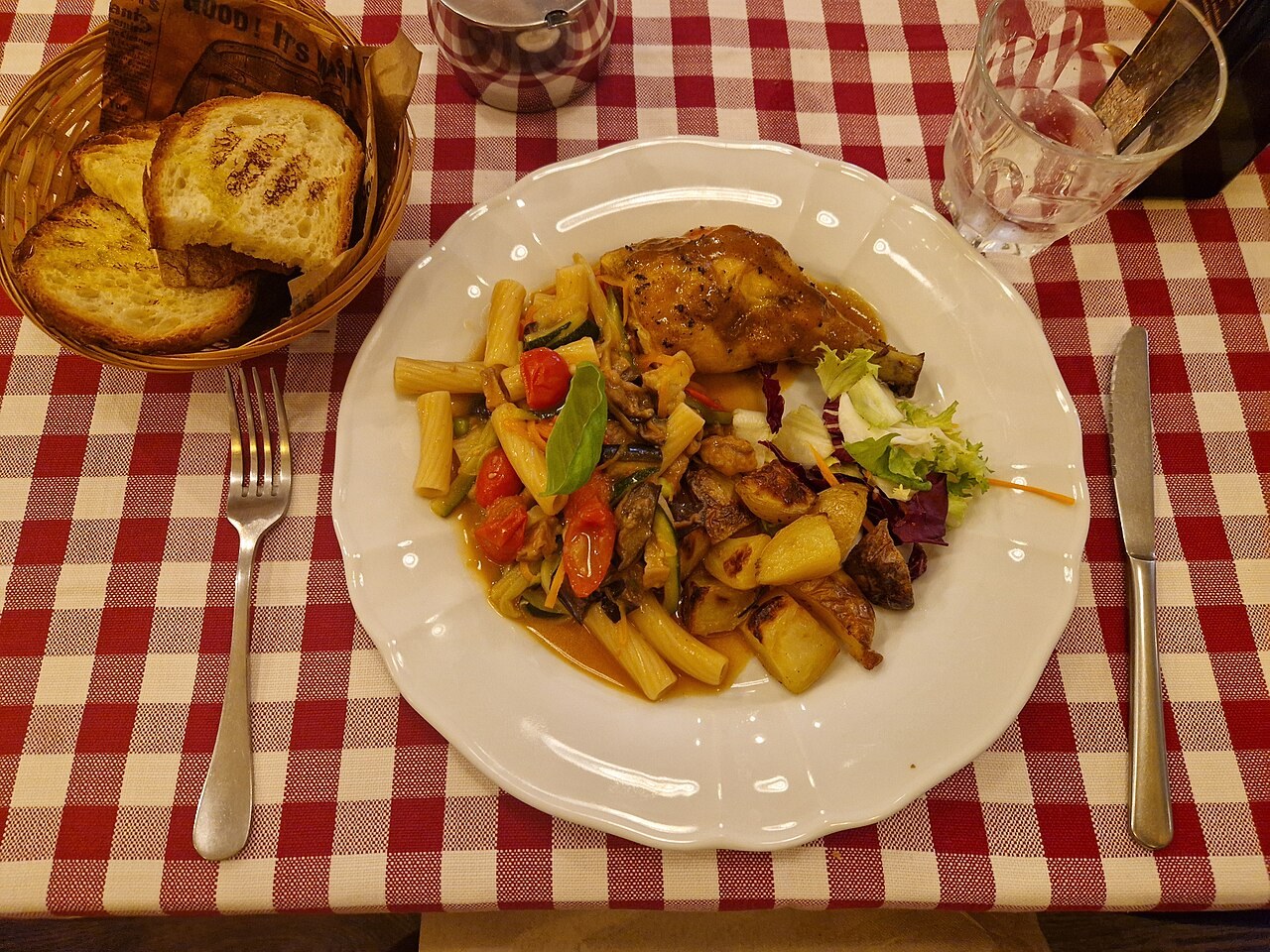
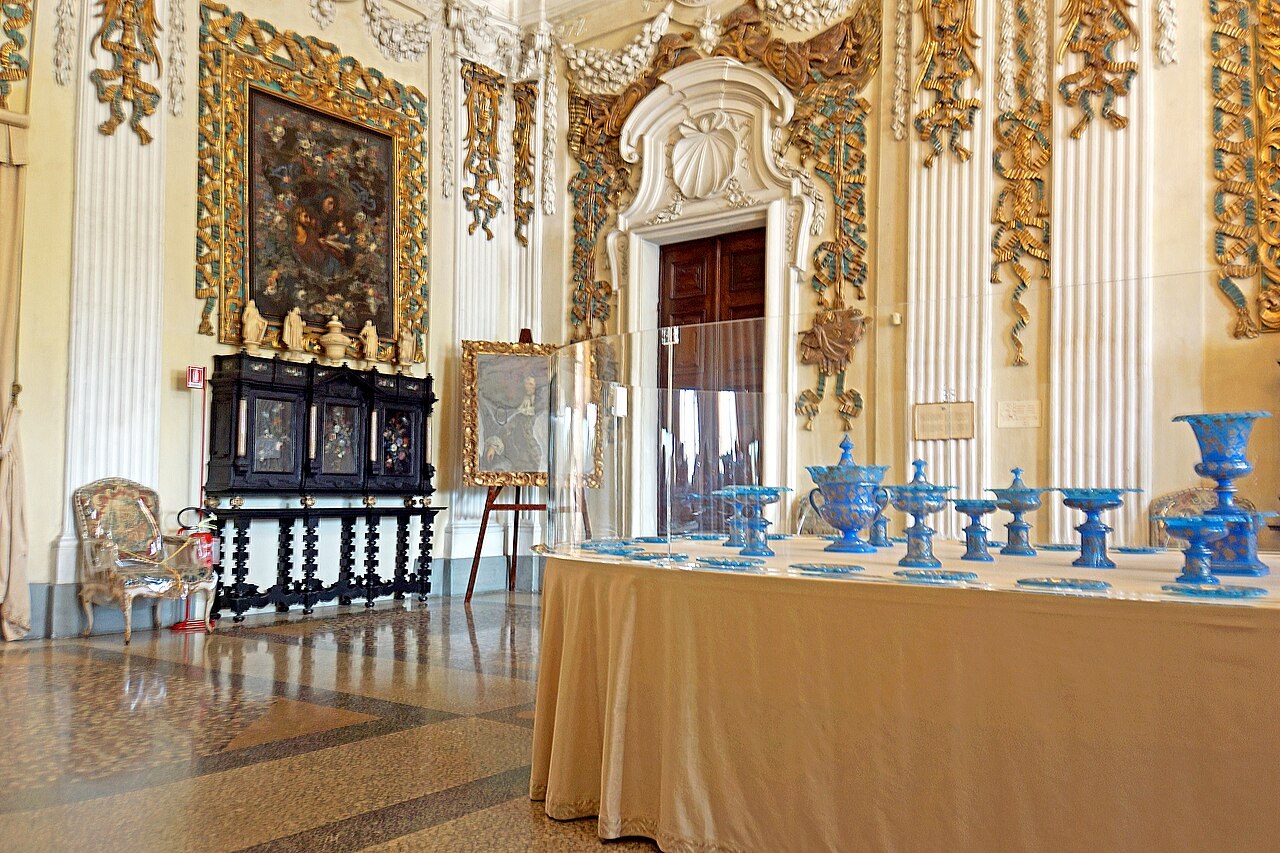
The table does not need to express your taste all by itself. It can be the calm surface that gives room to ceramics, food, flowers and people. Or it can be the object around which everything else in the room takes its position. Neither is a more sophisticated choice. The important thing is to decide deliberately.
Try this before choosing a new table: invite the number of people who most often eat with you and notice where things already become awkward. Perhaps a chair blocks the route to the kitchen. Perhaps nobody has a place to put a serving bowl. Perhaps the table is large enough but the light leaves half the guests in shadow. These observations give a maker or designer a much better brief than a collection of saved photographs.
The shape will also influence who can see whom. A long table can make space for many people but divide conversation into smaller groups. A round table reduces the sense of a privileged head, though it may ask for more floor area than expected.
An extendable table offers flexibility but needs its mechanism and additional leaves to be considered as part of the design. The point is not to prescribe one democratic shape. It is to choose the geometry that suits the relationships and routines already present in the room.
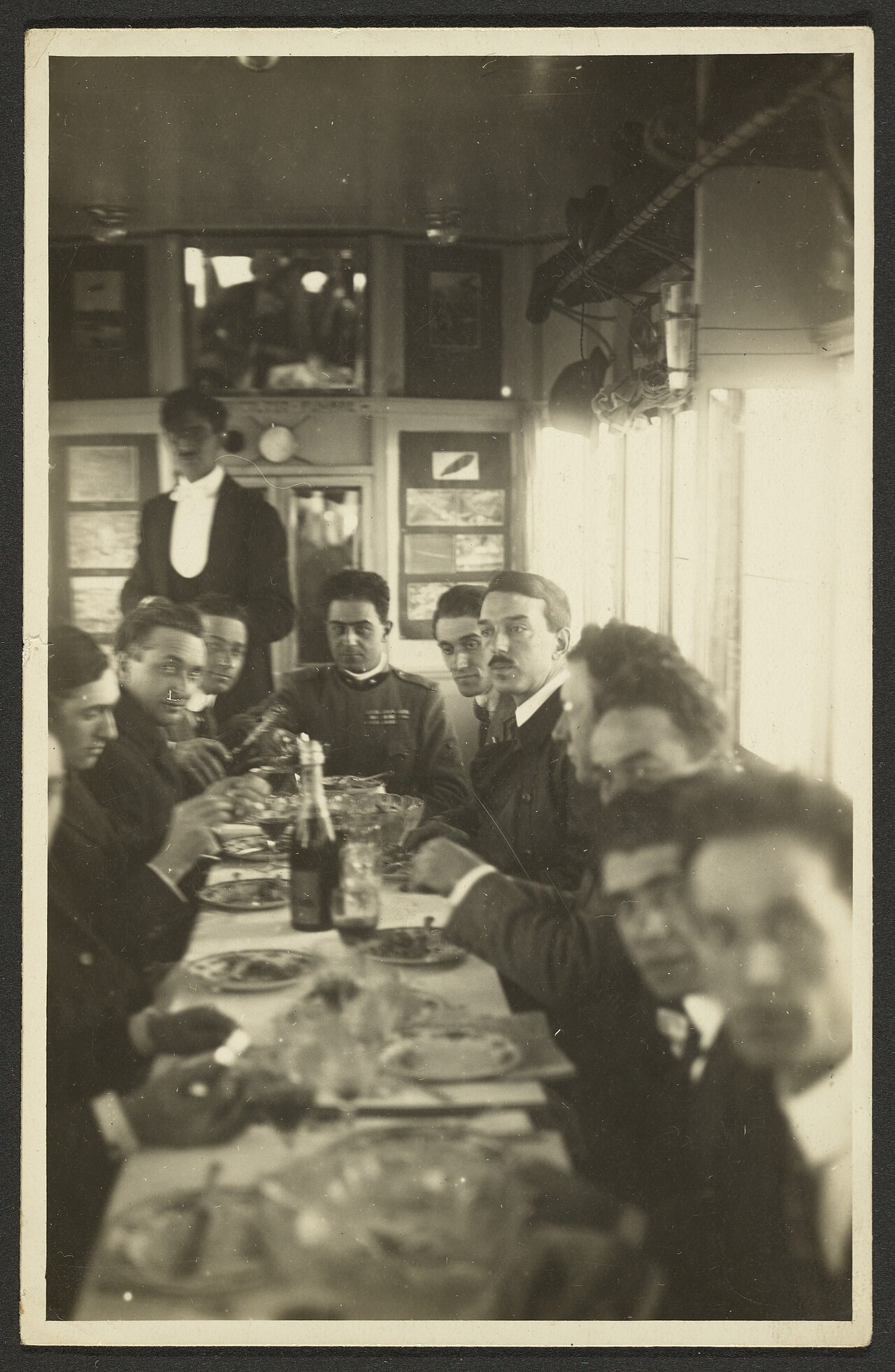
You are buying dimensions, material and joinery. You are also deciding how close people will sit, how freely they can move, and whether a Tuesday meal feels as welcome as a celebration.