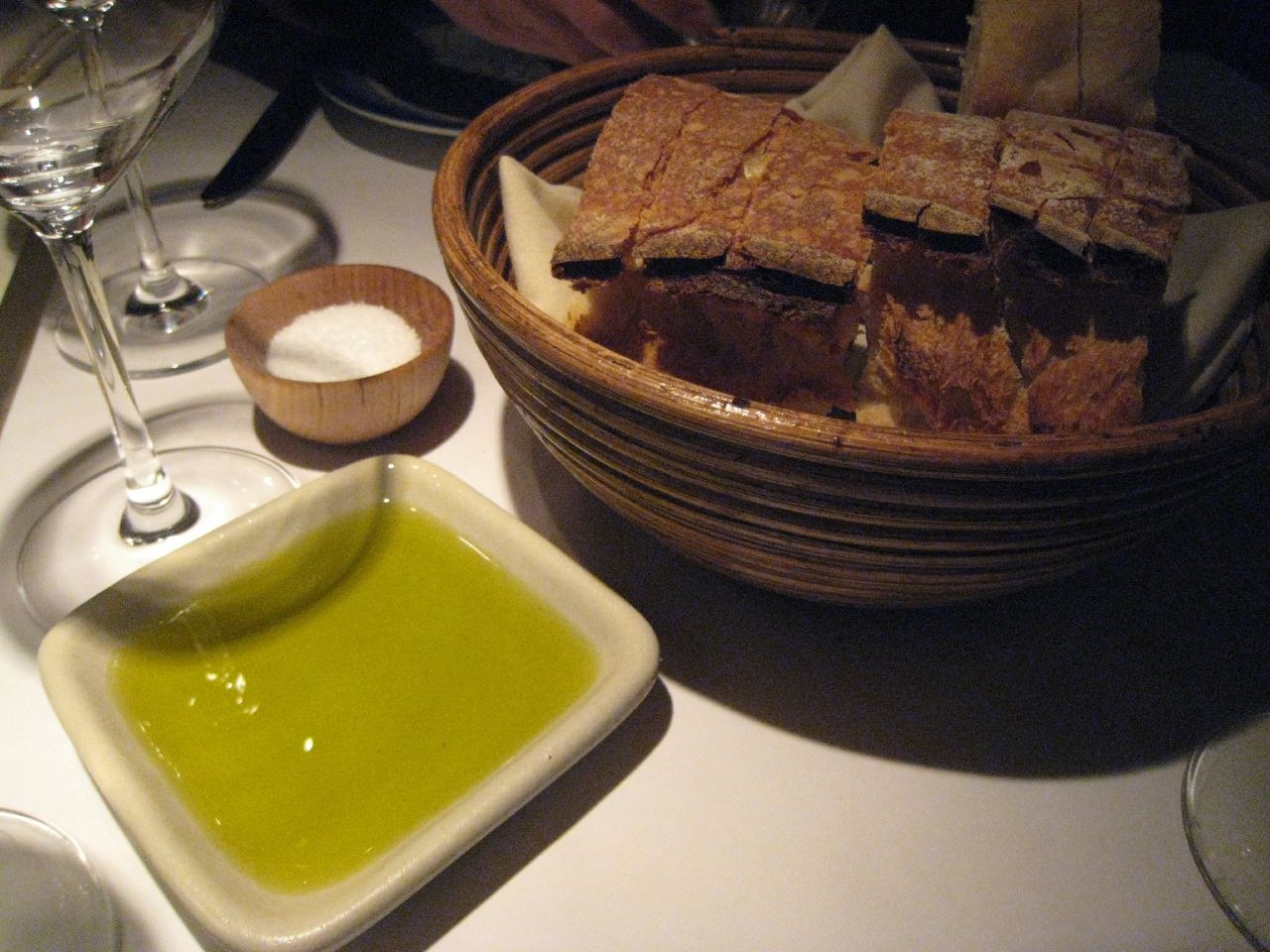
Pour a little oil over warm beans, then taste before adding anything else. Its bitterness, fruit and peppery finish have become part of the dish. That small moment is a better beginning than a ranking of the “best” Italian oils.
Begin with flavour. The International Olive Council describes oils with different profiles, from mild to more intense green fruitiness. If you want to finish a delicate vegetable dish, you may prefer one expression; if you want the oil to stand up to beans or grilled bread, another may delight you. Taste, when you can, before treating a region or a price as a verdict.
Then read the bottle carefully. “Extra virgin” is a defined category, not a romantic adjective. It tells you something about the oil’s classification; it does not, on its own, tell you which producer made it, when the fruit was harvested or whether you will enjoy its particular bitterness and pungency. Look for a producer who explains the olives, place, harvest and flavour in concrete terms. Ask when the oil was bottled and how it has been stored.
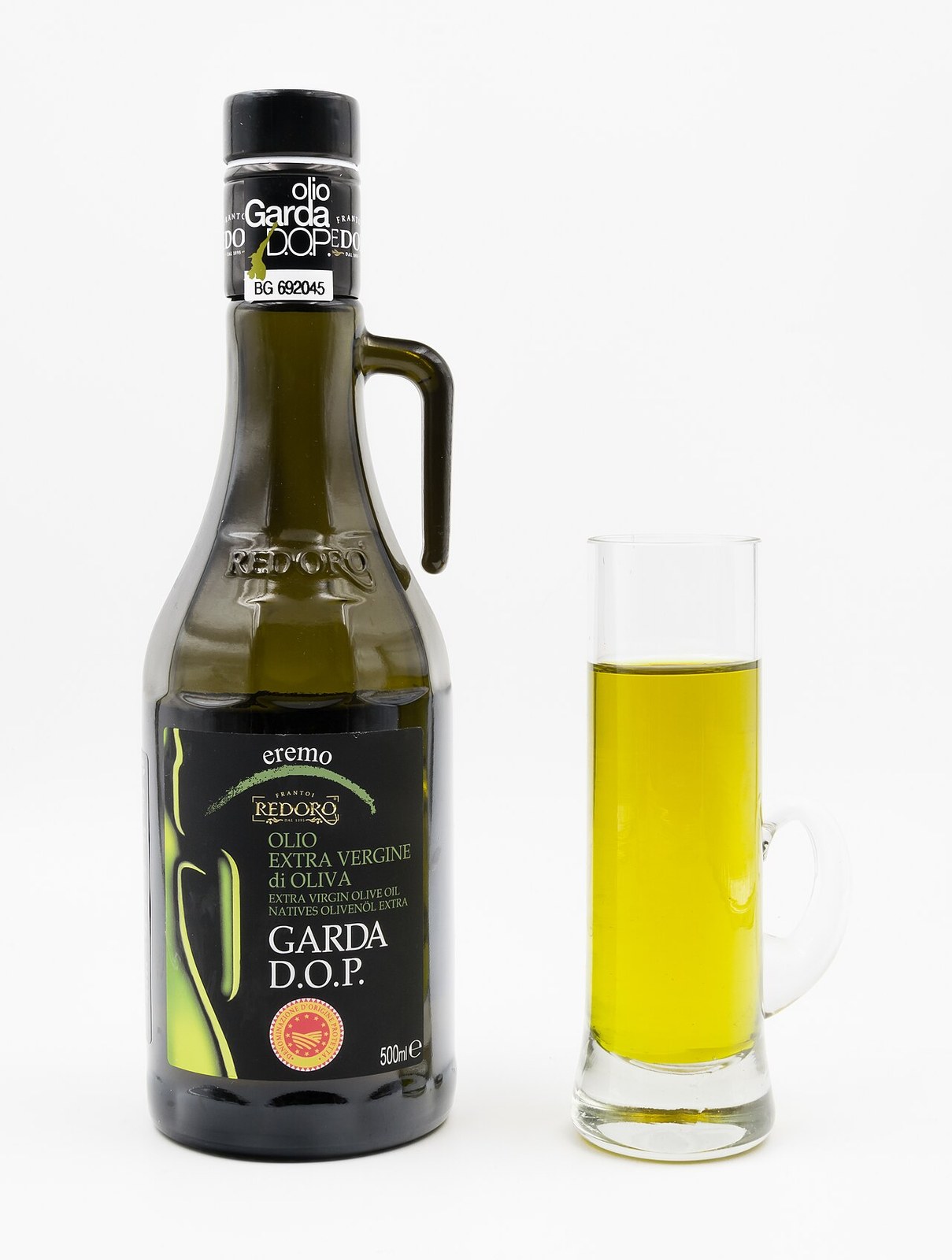

Buy an amount you can use while it tastes as intended. The Council’s storage guidance emphasises protection from heat, air and light. A beautiful transparent bottle on a sunny kitchen shelf may be the wrong home for a good oil. Keep it closed and away from the stove’s heat.
A tasting does not need professional ceremony. Pour a little oil into a small glass or onto a plain piece of bread. Notice the first impression and then what remains in the mouth. A green, bitter, peppery oil might be a pleasure over beans or grilled vegetables; a gentler one may let a delicate dish speak. These are preferences to discover, not rules to obey. The International Olive Council's vocabulary can help you describe a sensation, but the decision belongs to your table.
When shopping online, look beyond the bottle photograph. A producer who gives a harvest date, olive varieties, place of production and a credible flavour description has given you more to work with than one who offers only a poetic name. If that information is missing, ask. Once the bottle arrives, taste it soon and store it away from light and heat. Good oil is not a decorative object to preserve indefinitely. It is an ingredient whose value appears when you use it.
One oil may be the bottle you reach for every week; another may be the one you bring to the table for a particular food. Taste both with something you actually cook. The label becomes useful when it helps you find that pleasure again.