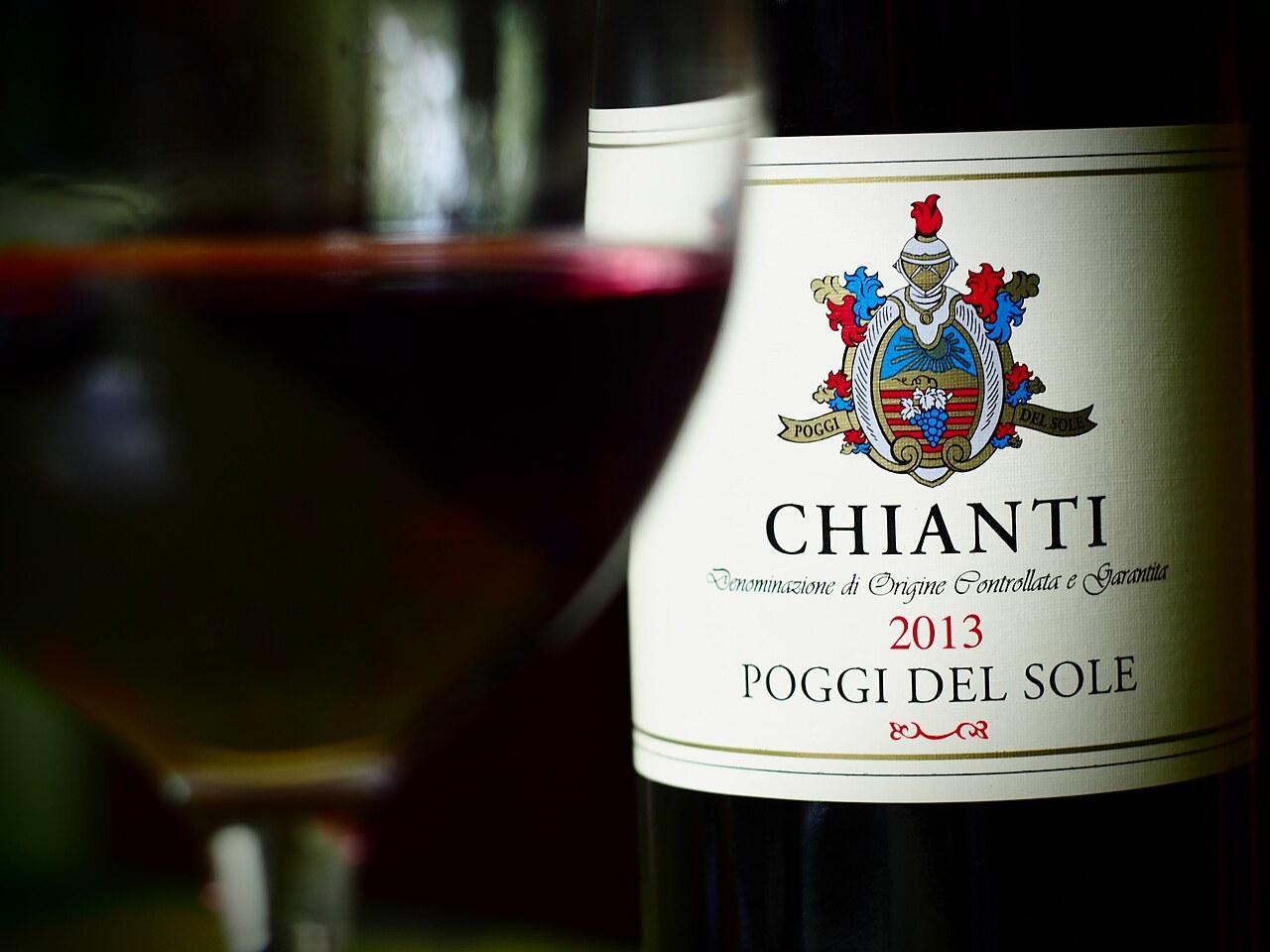
A wine list can make a familiar pleasure feel like an exam. The quickest way back to the table is to remember one glass you enjoyed and say why: its freshness, texture, fruit or the way it sat beside the food.
Fresh and light, perhaps, with a lunch that will last into the afternoon. Or fuller and more textured beside a slow dinner. Wine educators at WSET suggest using the grape, place, alcohol level, sweetness and producer as clues to style. None of those clues can taste the wine for you. Together they make a choice less random.
Tell a good wine shop or sommelier what you already enjoy, even if your vocabulary is ordinary. “I like something bright rather than heavy” is useful. So is “I loved this bottle last month but want to try a different Italian region.” The aim is a conversation, not a test. If you are buying without help, note the producer and grape on bottles you like. Over time, your own small record is more useful than a universal list of “best wines”.
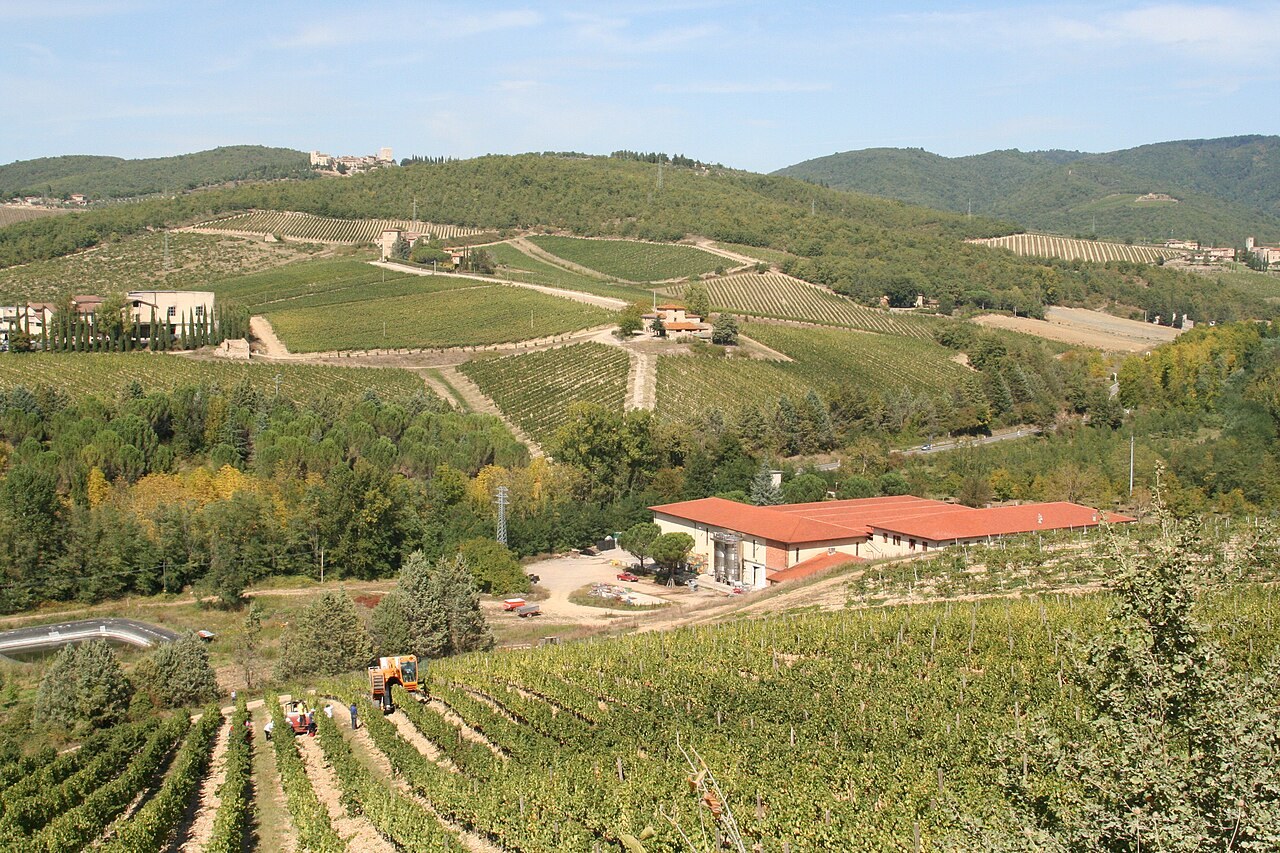
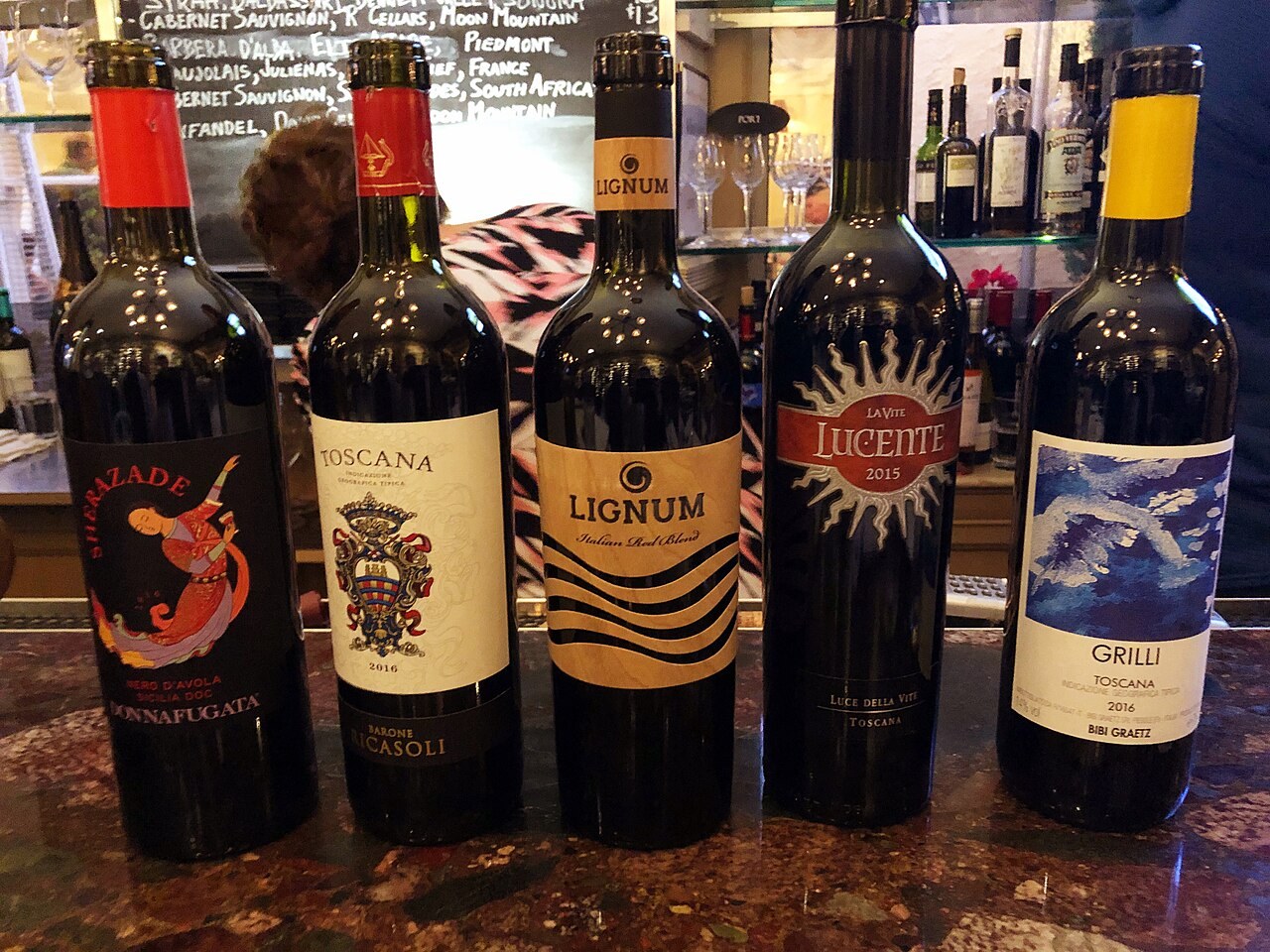
Food matters, but it should not become a rulebook that steals the pleasure of the table. Think about the strongest part of the meal: a rich sauce, a sharp cheese, herbs, smoke, sweetness. Ask whether you want the wine to echo that flavour or refresh the palate between bites. You can try, notice and change your mind next time.
If you remember only that you liked a white wine at a friend's dinner, begin there. Was it sharp enough to make you want another sip? Did it feel round and gentle? Did the aroma remind you of fruit, flowers or something less easy to name? You do not need to get the vocabulary right on the first attempt. A shop can translate ordinary descriptions into a few bottles worth considering, and a restaurant can do the same for the meal in front of you.
Keep the next experiment small. Choose a bottle in a comfortable price range, write down the producer and the few impressions that actually mattered, and try another wine with one thing in common. Perhaps it comes from a nearby region, uses the same grape or has a similar freshness. This is more revealing than moving straight from a wine you enjoyed to an expensive bottle chosen for its reputation. Your taste is not a beginner's obstacle to overcome. It is the most useful evidence you have.
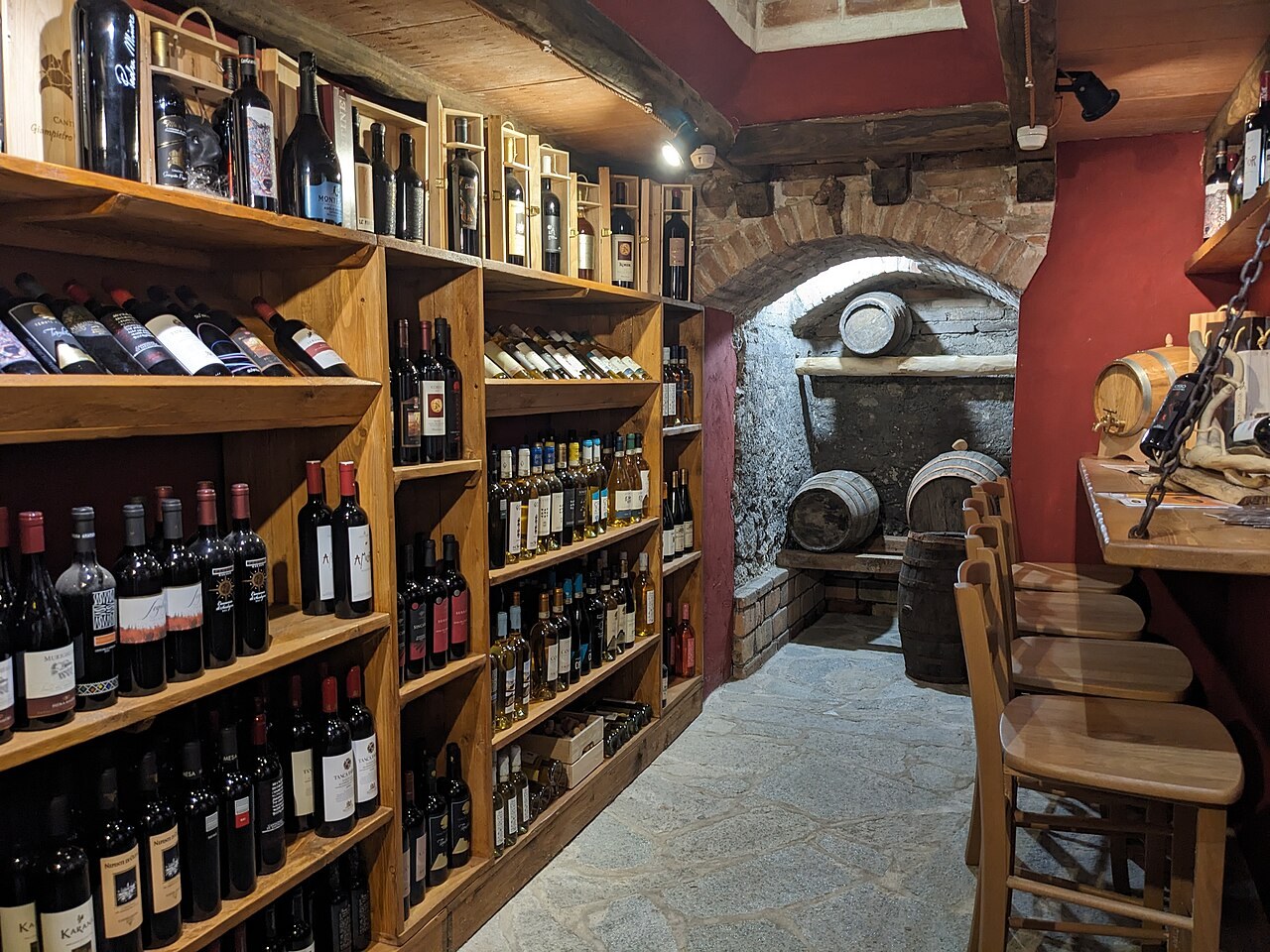
The next bottle need not be a more prestigious version of the last one. It can be a neighbouring grape, another producer, or a different region with the same quality you liked. That is how taste becomes curiosity rather than a performance of expertise.