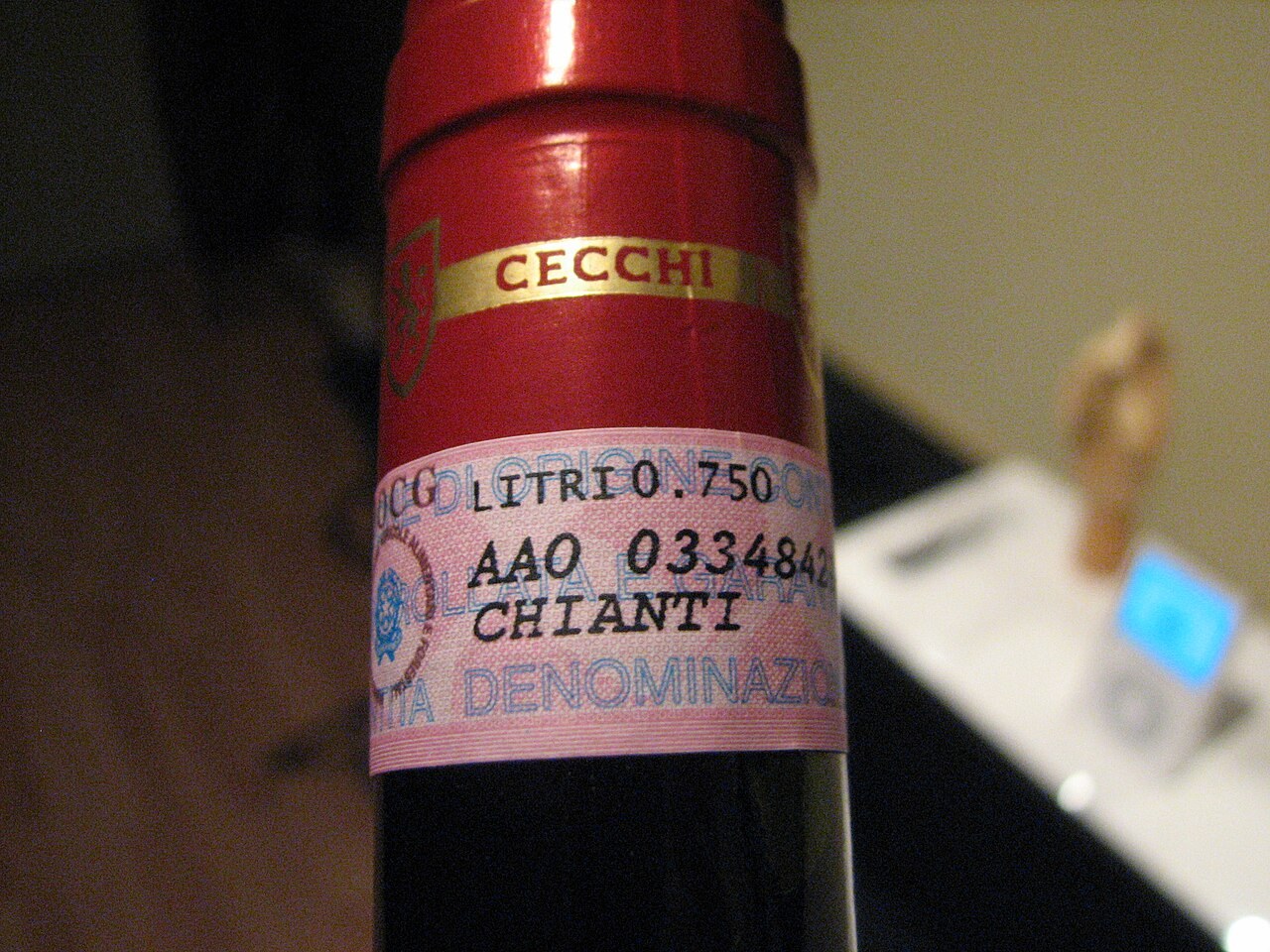
A wine label is a small piece of geography wrapped around a bottle. It may give you a place, grape, producer and year. It cannot tell you whether you will love the first sip.
Start with the producer. A region contains many people making different decisions. If you enjoyed a bottle, remember who made it, not just the name of the town. Then look at the grape or blend if it is stated. That offers a clue to flavour, though climate, growing and winemaking can change its expression. The alcohol level may help you anticipate a lighter or fuller impression, but it is one clue among several.
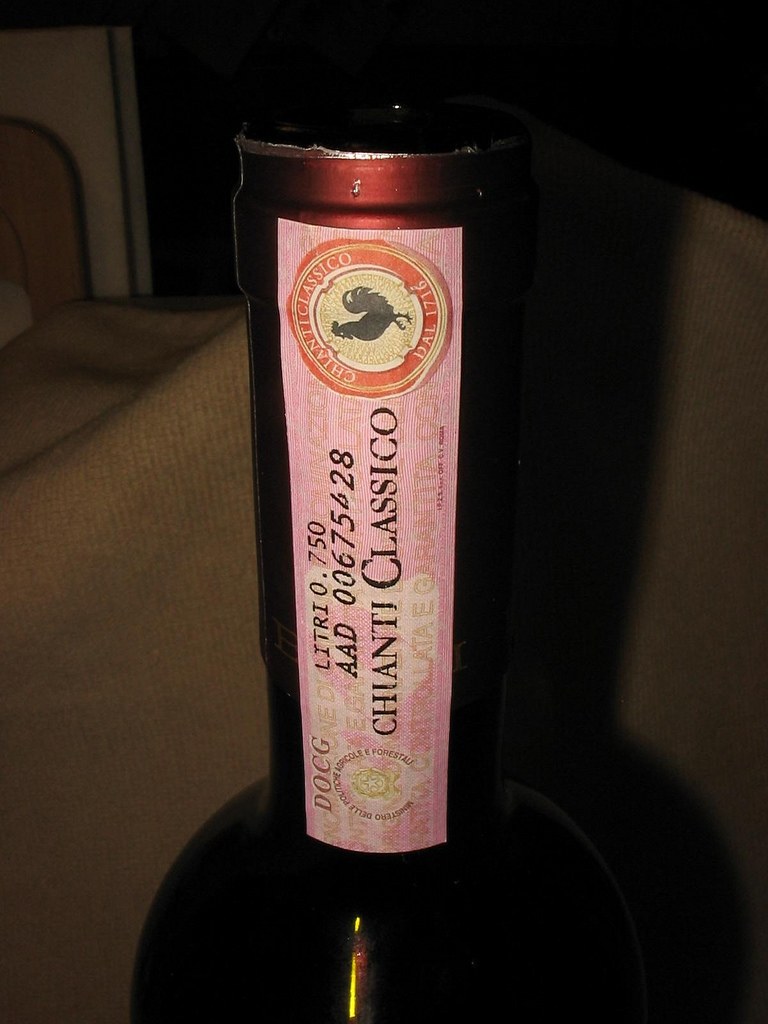
An Italian designation such as DOC or DOCG tells you the wine follows a defined set of rules associated with a named area and style. It should not become a substitute for curiosity. A wine without the most prestigious letters on the front may be exactly the one you want for dinner; a celebrated designation cannot guarantee that its style is yours.
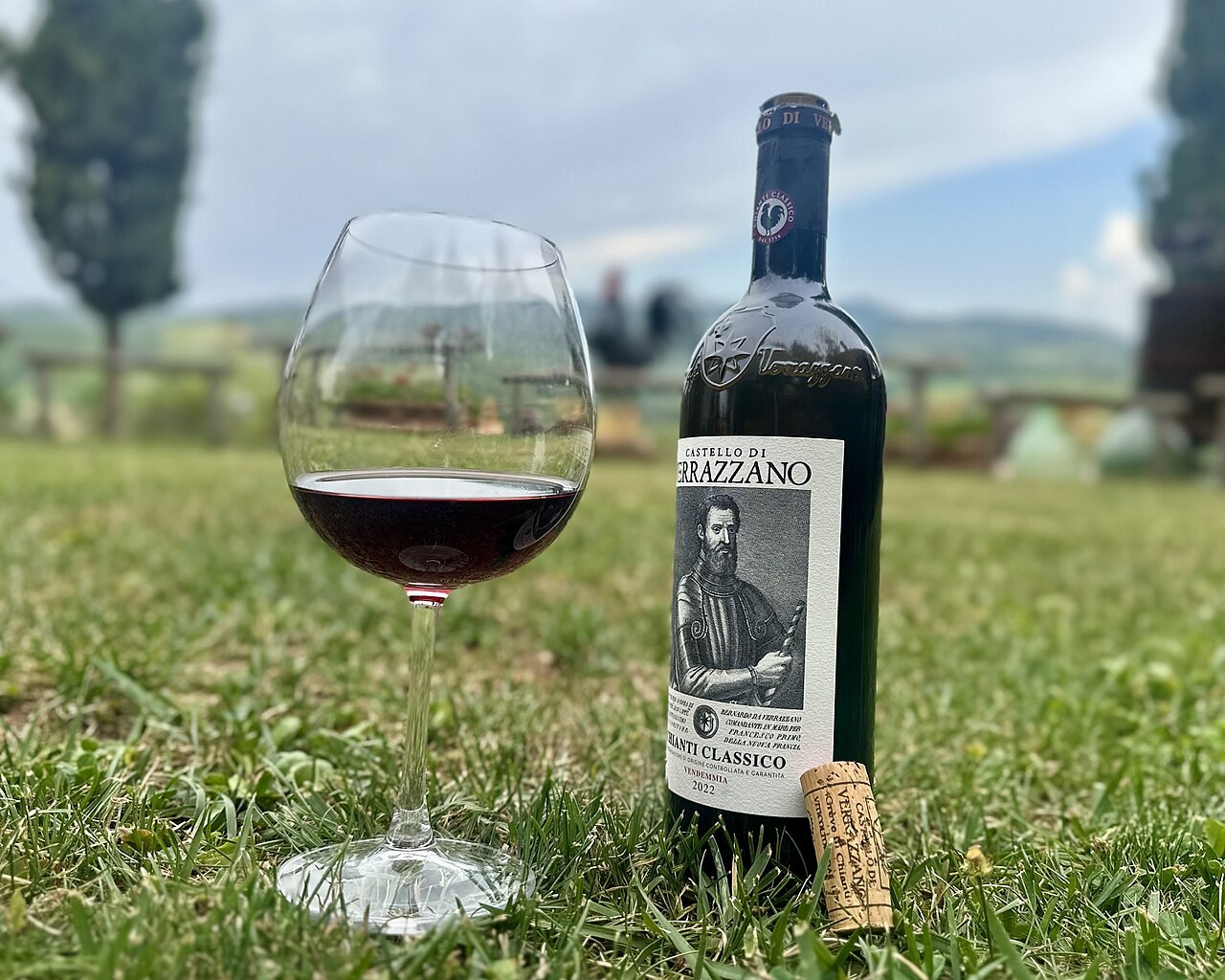
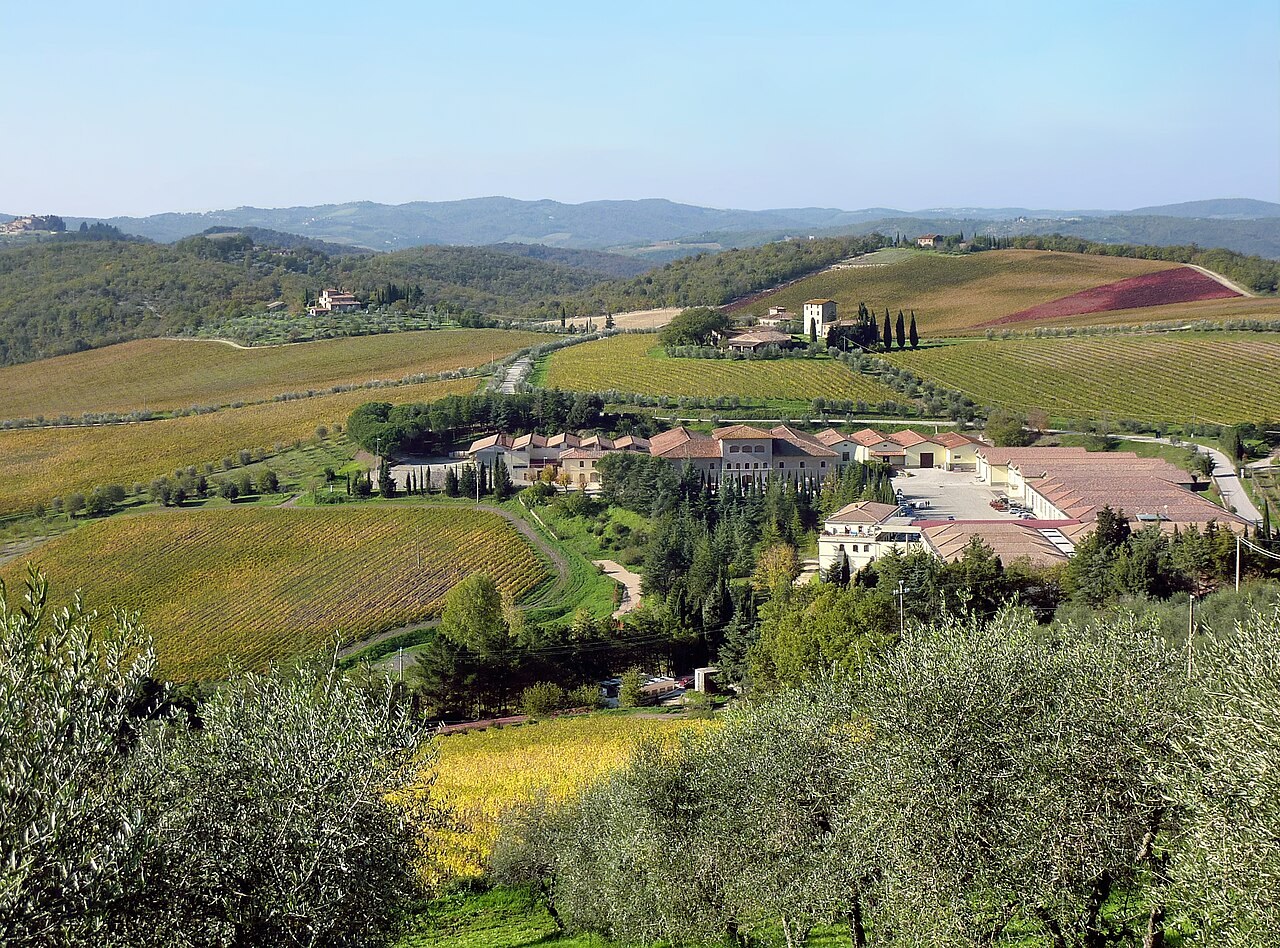
Finally, look at the year. WSET reminds readers that vintage is the harvest year and that its value depends on context. An older bottle is not automatically more interesting. Some wines are made to be enjoyed for their freshness. A producer or knowledgeable seller can tell you more than a date alone.
A label can also leave important things unsaid. It may not explain whether the wine is dry in the way you imagine, how its acidity feels, or what the producer was trying to preserve in the fruit. A back label can help, but it is still the producer's description. If you have a chance, ask a merchant to put the information into ordinary language: what is the bottle like at the table, and what other wine might someone enjoy if they liked it?
There is no need to treat a designation as a medal. Its real use is to tell you something about origin and rules of production. A reader who learns one denomination well will often make a better choice than one who memorises dozens of acronyms. Keep an image of the front and back labels of a bottle you enjoyed. That small record turns the next purchase from a guess into a conversation with your own experience.
You do not have to decode every symbol before opening a bottle. Learn one thing from each wine you enjoy. In a few months, the label becomes less of a test and more of a map you can read in your own way.