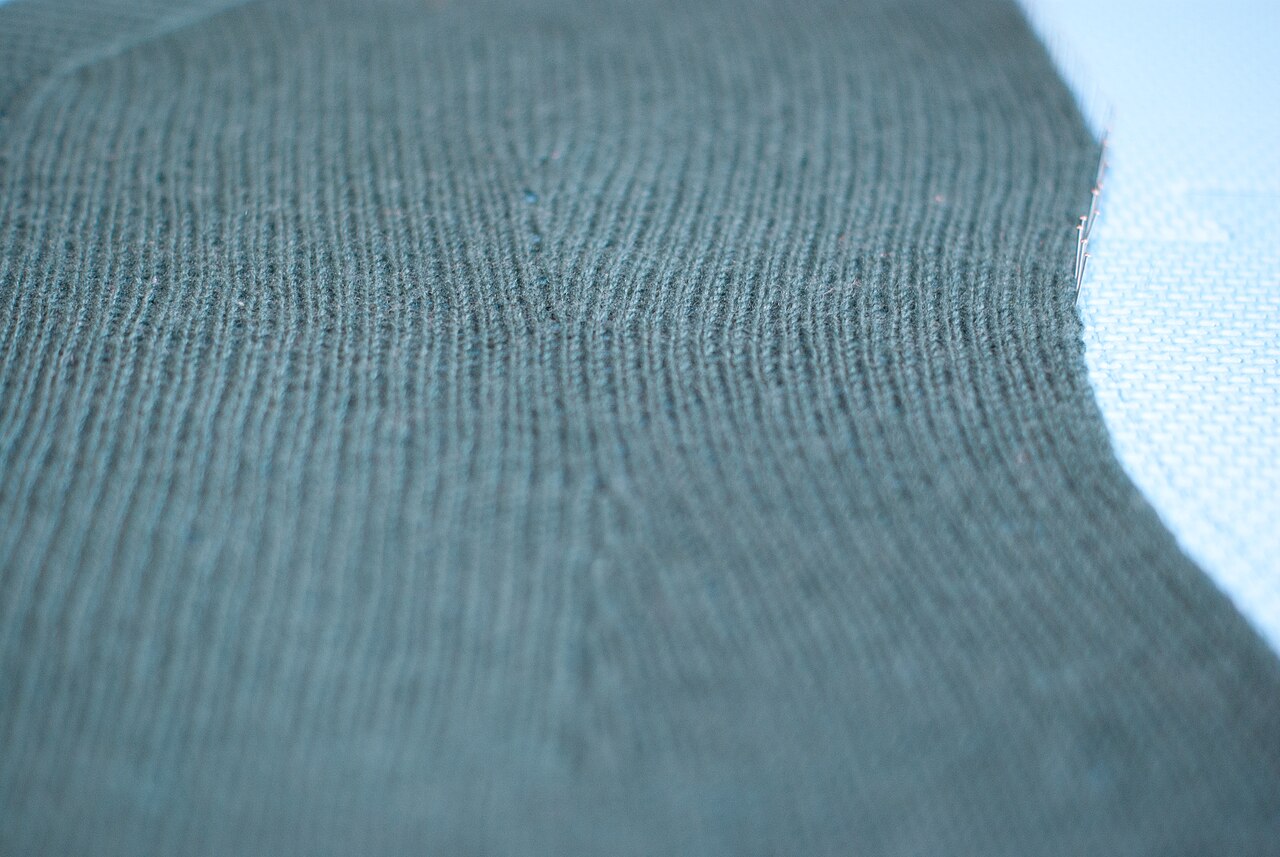
A winter sweater often begins as a choice between three words on a label. Wool, merino, cashmere. They can sound like steps on a ladder, with cashmere at the top. But they describe different fibres, not a simple ranking of quality. The better question is what you want the piece to do on an ordinary cold day.
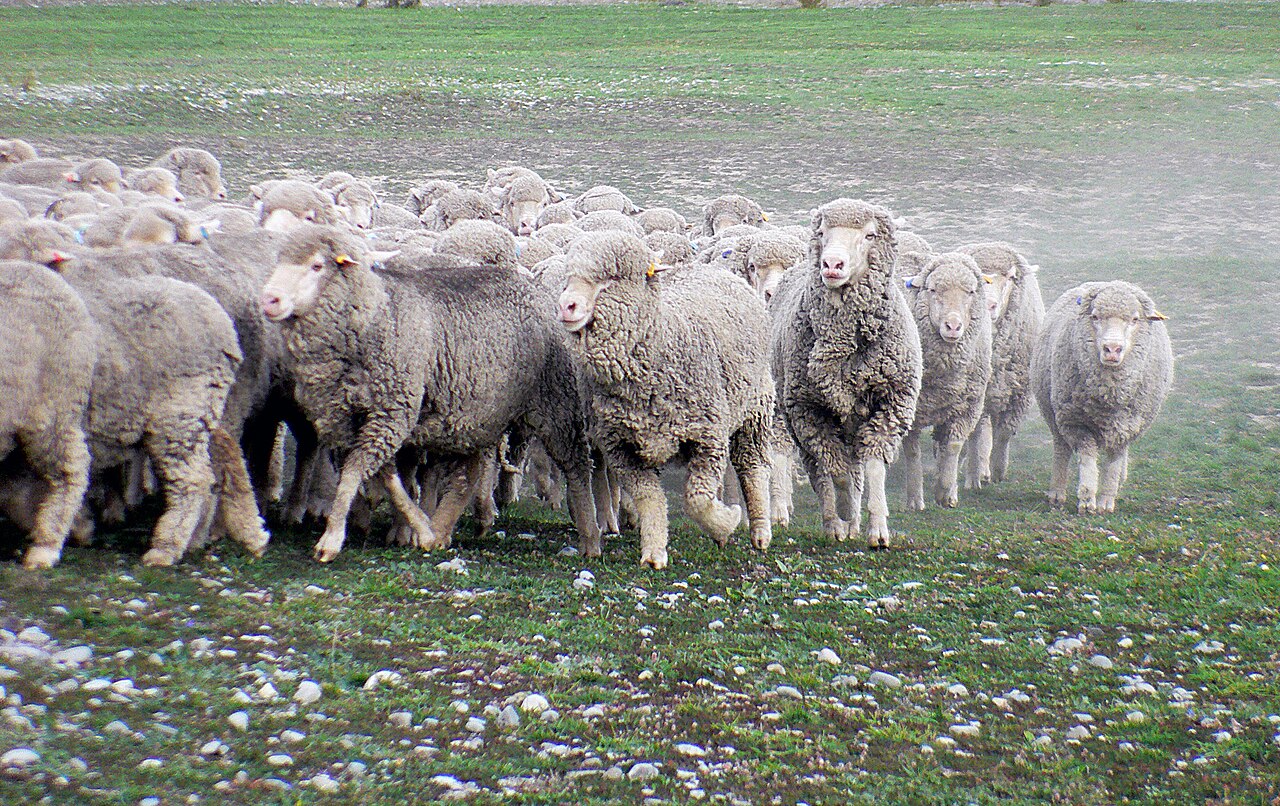
Wool is a broad name for the fleece of sheep. Its feel changes with the breed, the fineness of the fibre, the yarn, the knit and the finish. A sturdy wool jumper can be beautiful over a shirt or for time outdoors. A label saying only “100% wool” tells you what the fibre is, but very little about how the garment will feel against your skin.
Merino is wool, from Merino sheep. Its fibres are often fine enough for pieces worn close to the body, from a thin base layer to a soft everyday sweater. But the breed name is not a guarantee by itself. Look at the density and evenness of the knit, try the fabric against your neck or wrist if you can, and ask how the garment should be washed.
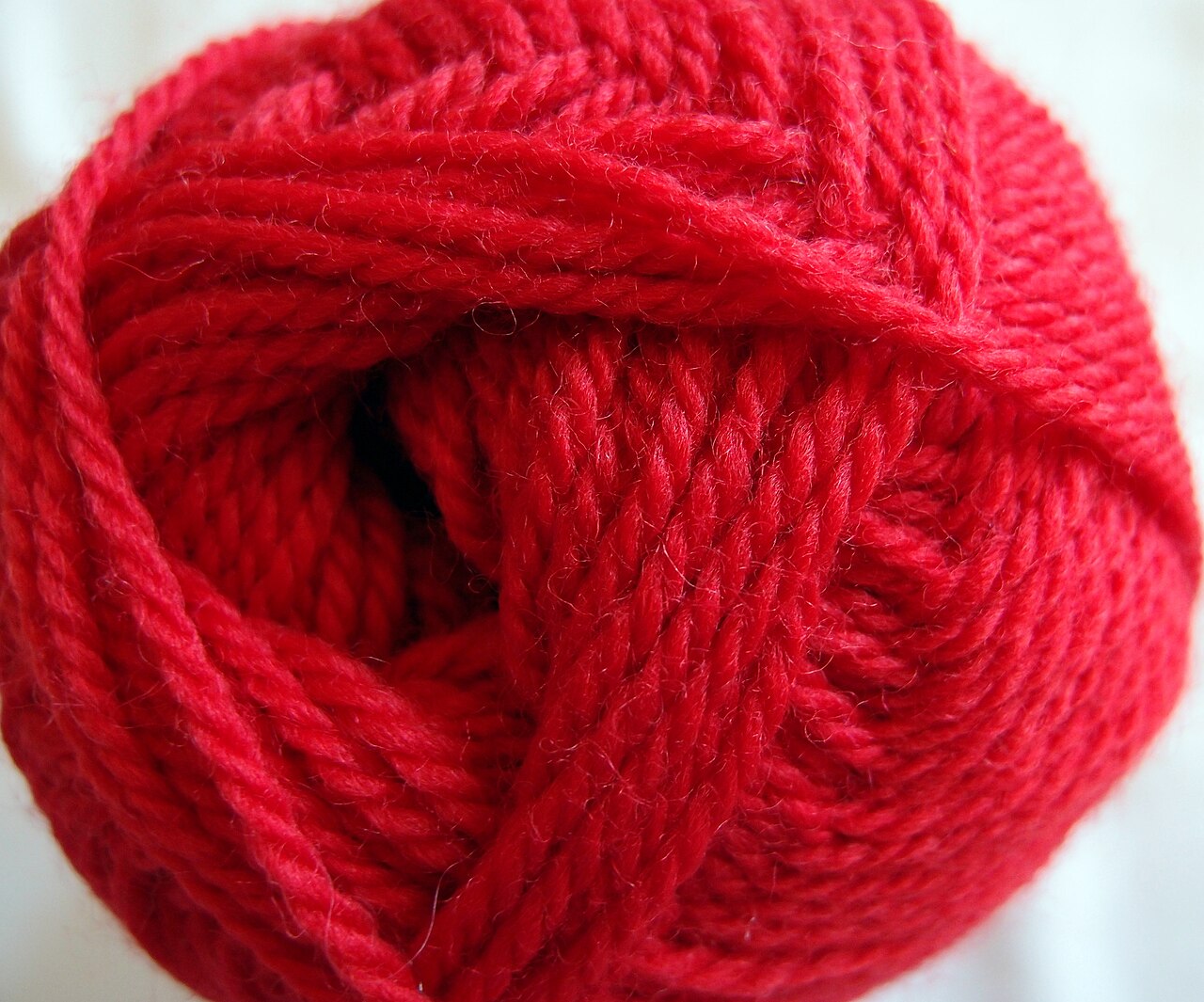
Cashmere comes from the fine undercoat of cashmere goats, not from sheep. It can offer remarkable warmth with little weight and a particular softness. It also needs thoughtful construction and care. A cashmere label does not promise a longer-lived sweater than a well-made merino one; the length of the fibres, the yarn, the knitting and the finishing all matter. Extreme fluffiness in a product photograph is not proof of better cashmere.
So choose by use. For a hard-working layer you will wear often, consider a well-made wool or merino piece and how it sits beneath a coat. For a light, soft layer that you are willing to care for, consider cashmere. If a fabric feels uncomfortable on your skin, a prestigious fibre name will not make you reach for it more often. If you are shopping online, ask for a close photograph of the knit and check the composition, construction and care instructions rather than relying on the adjective “luxurious”.
Pilling is another poor shortcut for judging quality. The small balls form where fibres rub against one another, especially under arms or where a bag touches a sweater. Some pilling can happen even on good knitwear. How much appears depends on fibre length, yarn, fabric structure and wear. A piece that keeps its shape, feels right and can be cared for in your life is a more useful choice than one that wins a softness contest in the shop.
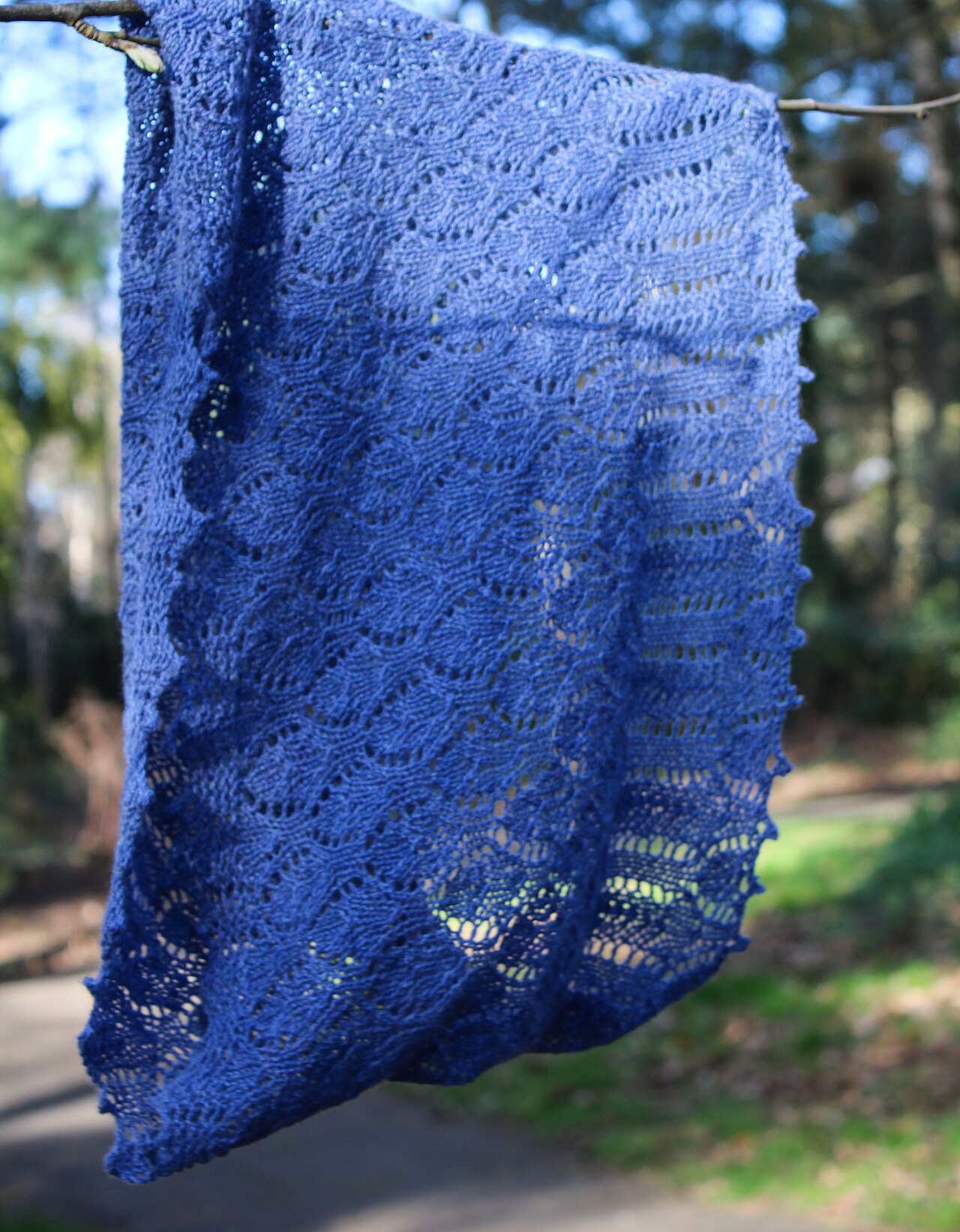
Read the care label before buying. Many wool garments benefit from airing between wears; when washing is needed, the label governs the method. Dry flat if instructed, and store knitwear folded so its own weight does not stretch the shoulders. The most valuable winter sweater is not necessarily the most expensive fibre. It is the one you will still want to pull on next winter.