The border between two Italian regions does not change the language on a menu all at once. It changes the ingredients people reach for, the fats they cook with, the shapes they give familiar foods and the stories they tell about a dish.
An official Italian tourism overview points to mountains and Central European contacts in northern food traditions, and to olive oil, legumes, vegetables and particular local histories across central Italy. The differences do not fit neatly into a north-versus-south diagram. Towns, seasons and families change the recipe again.
That is why the most revealing question in a restaurant may be “Why is this made this way here?” It can lead to a grain grown nearby, a feast day, a method of preservation, a former trade route or simply the preference of the person cooking. Ask without demanding that one recipe represent an entire region. A cook’s version can be both rooted and personal.
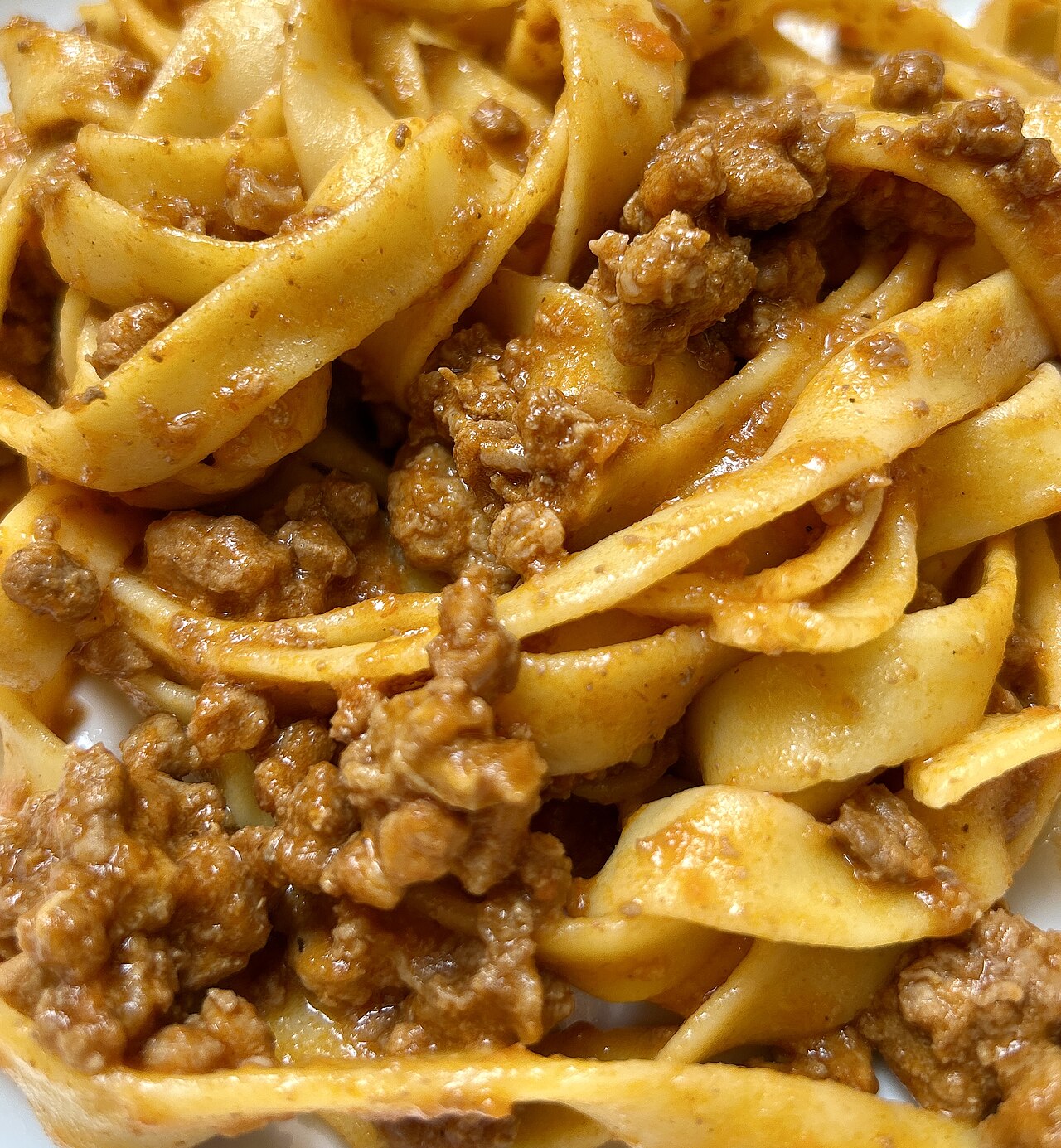
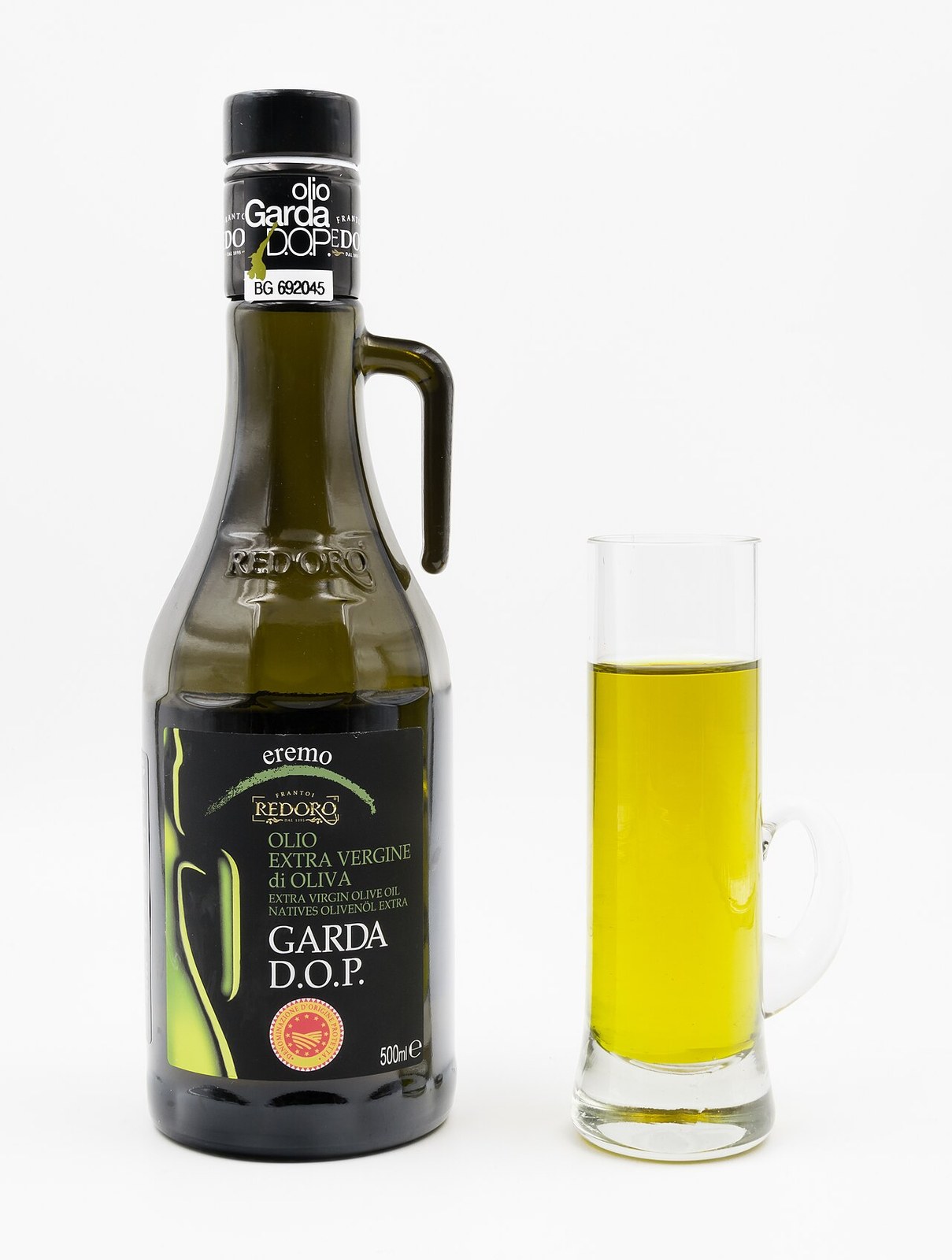
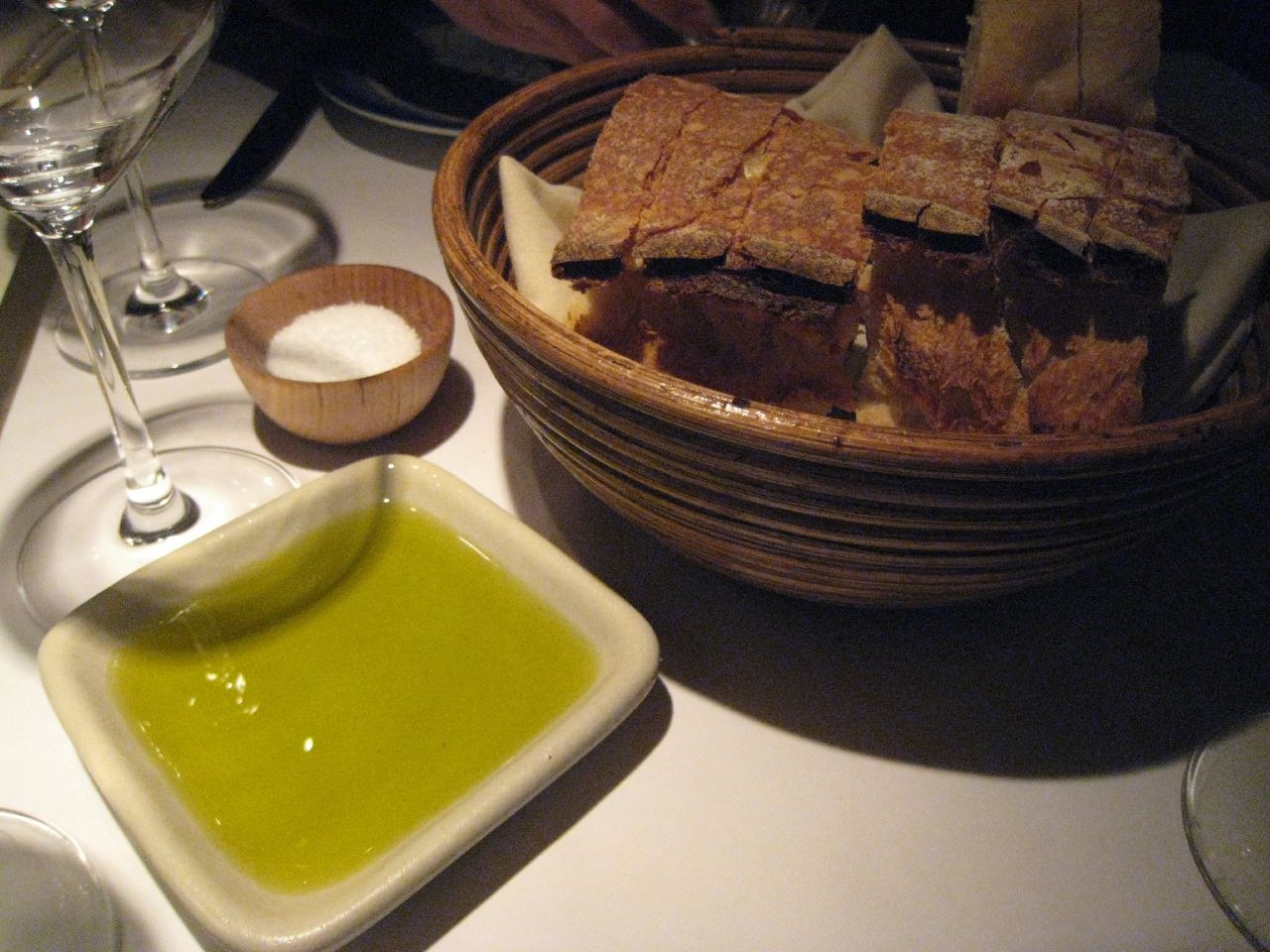
If you are travelling, choose a few foods to follow across places rather than collecting dishes as trophies. Compare bread in two towns. Taste how a similar pasta changes sauce. Ask what oil is put on the table. The variation makes geography tangible.
One way to notice regional difference is to follow the same kind of food rather than searching for a different “signature dish” in every place. Bread changes its texture and role; a filled pasta changes shape, filling or sauce; an oil brought to the table can alter the taste of a familiar vegetable. The comparison works best when you ask the person serving or making it what matters locally, and when you accept that another cook on the next street may answer differently.
Geography is only one part of the explanation. Trade, migration, religious calendars, agricultural choices and family habits have all left marks on cooking. A regional name can be a useful door, but it cannot account for every kitchen behind it. When travelling, choose one question and follow it over several meals. You may return with a sharper sense of place than a list of “must-eat” dishes could give you, and with more respect for the people still changing those dishes.
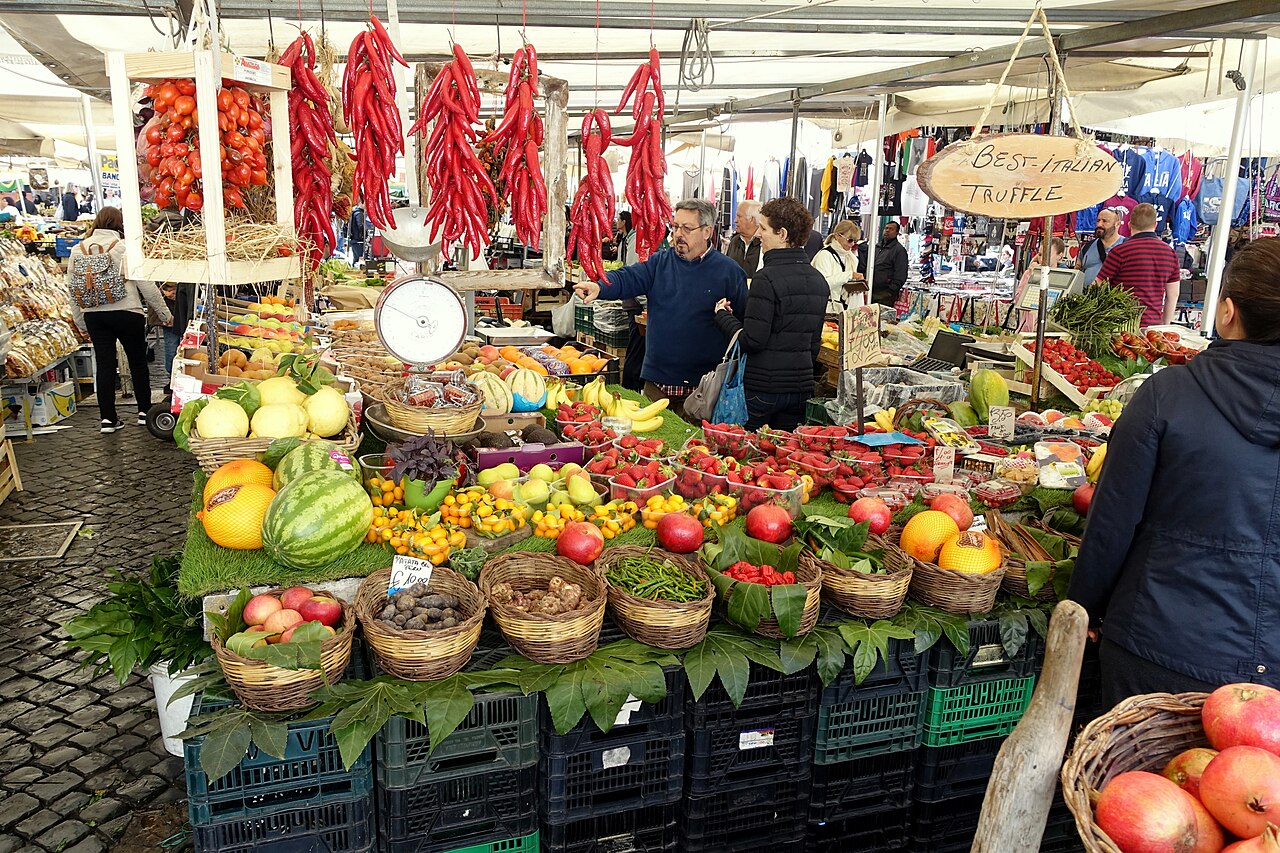
Regional cuisine is not a museum case. It lives because people continue to cook, adapt and argue about it. That is a more enjoyable discovery than searching for a single correct version of “Italian food”.