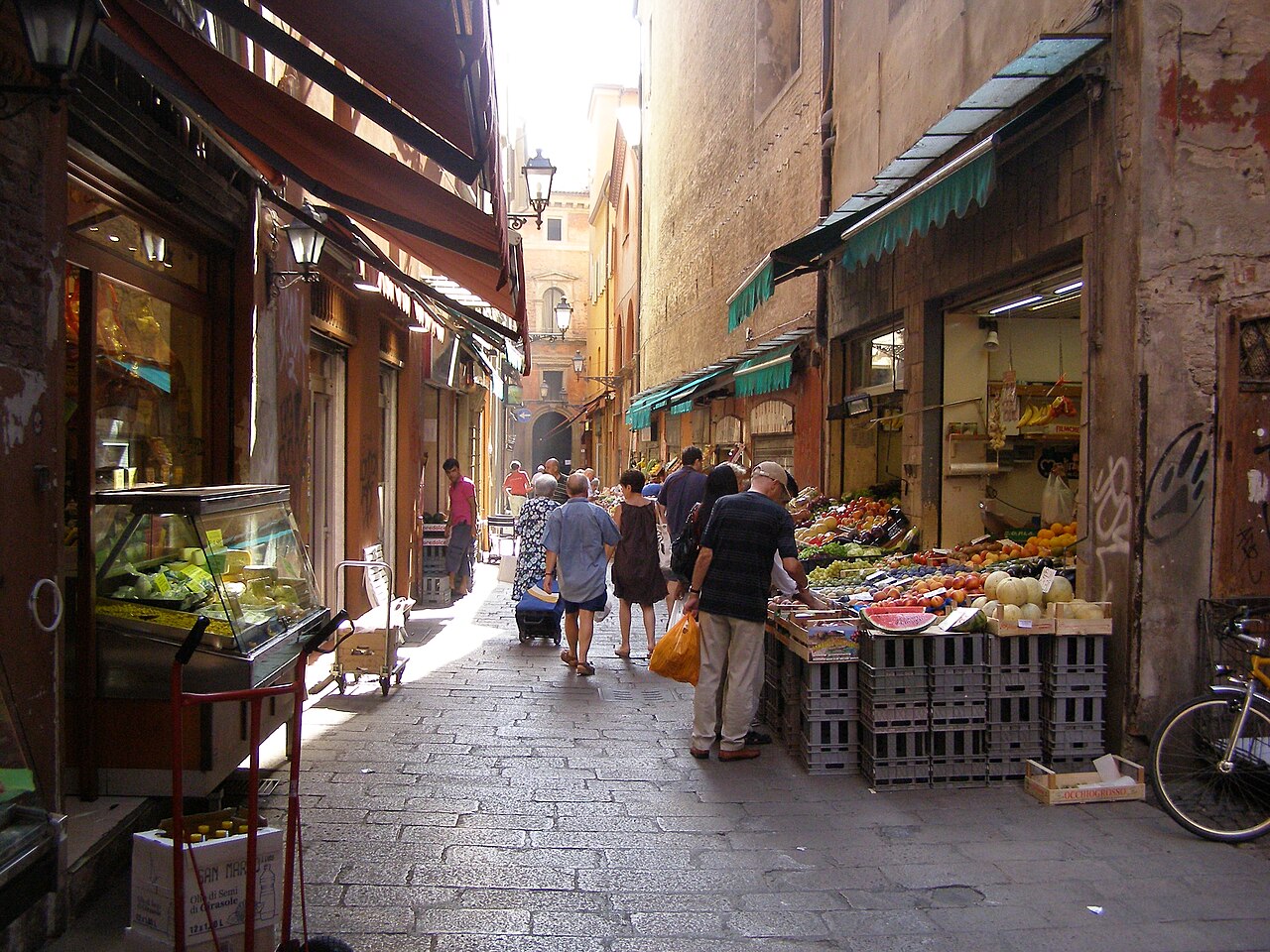
Bologna has a way of drawing visitors toward the table. Follow that instinct, but let it lead you to the work around it.
The Quadrilatero is an old market district where food, commerce and specialised trades have shared narrow streets for centuries. Do not rush through it looking only for lunch. Notice the shape of the shops, the tools, the signs and the way a product is explained when you ask a specific question. A market can teach you how a city values expertise in public.
For another layer, Bologna Welcome describes the Museo del Patrimonio Industriale in the former Galotti brickworks along the Navile. Its collections take visitors from brick production and Bologna's historic silk industry toward mechanical work and contemporary industry. It offers a way to see making as part of the city's economy, not just its shop windows.
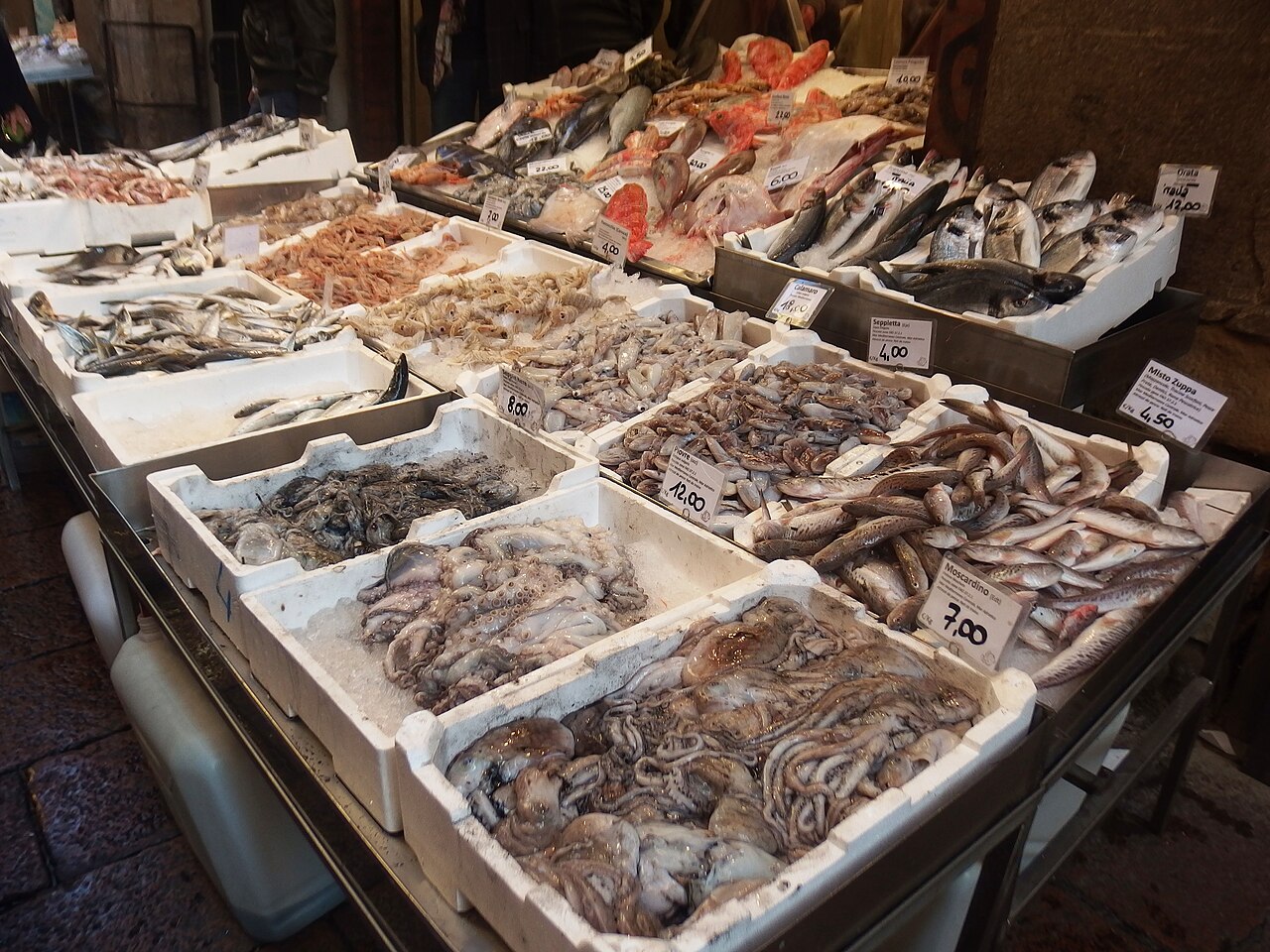
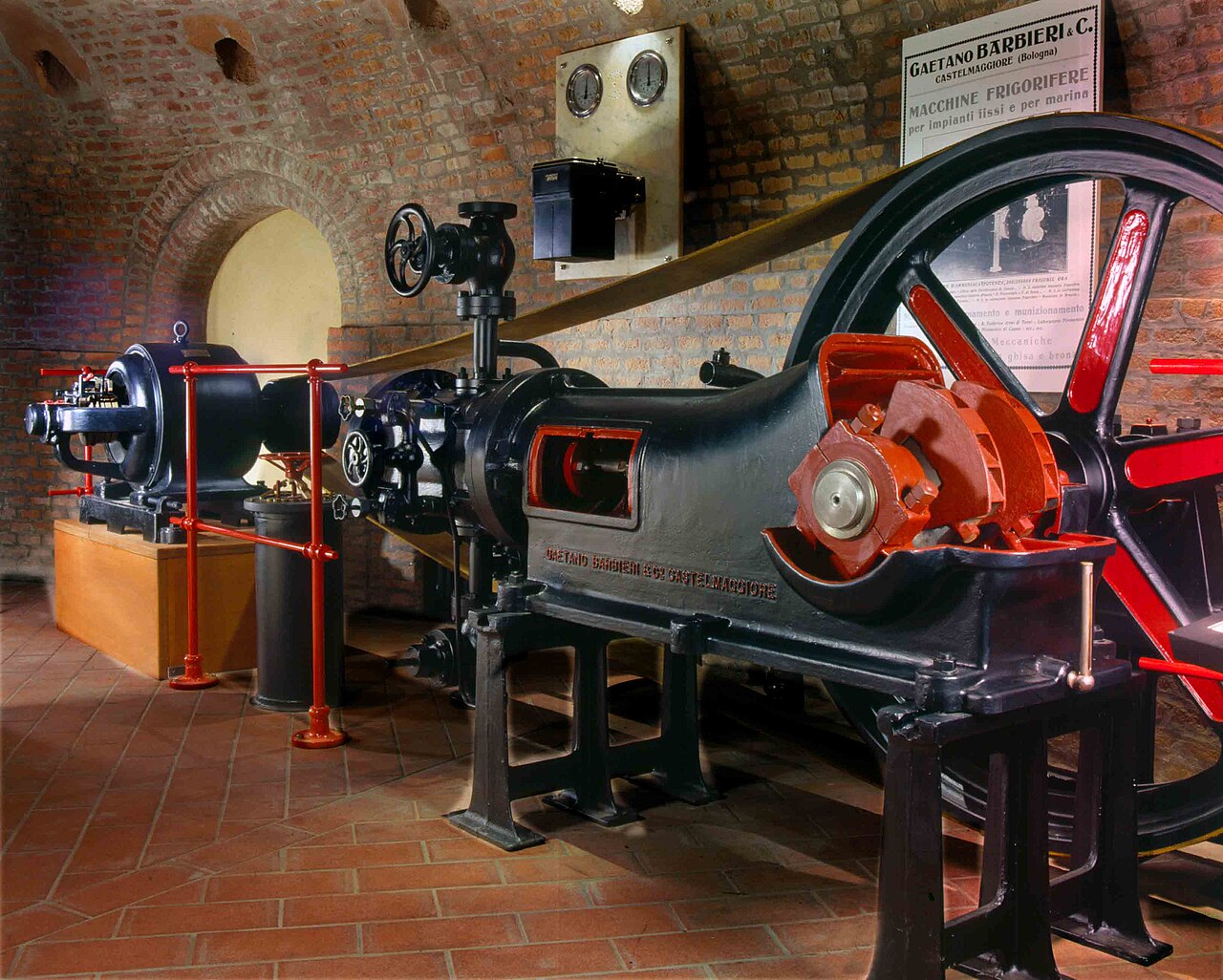
A good day could begin with a market, continue at the industrial museum, and end at a table where you can ask about an ingredient you noticed earlier. The route is less about “seeing the best of Bologna” than tracing the intelligence connecting making, selling and eating.
The contrast between these two stops is productive. In one part of the city, work is explained across a counter. In another, models and machines show how production changed on a larger scale. The museum's account of silk is especially useful because it makes a celebrated Bolognese history tangible as a process, not just a textile in a display. The brickworks building carries another layer of making in its own walls.
Give the two places separate hours rather than treating the museum as an after-lunch diversion. In the market, ask a specific question about an ingredient or preparation. At the museum, follow one process from material to finished result. The day becomes a conversation between the work a city sells and the work it remembers. Check current opening hours and transport before going; the museum is outside the compact historic centre. Bologna offers more than a meal, but the meal can be the beginning of a more attentive way to see it.
The museum's current visitor information is a practical part of the route. Confirm the day's opening and allow time to travel out along the Navile rather than assuming it is beside the market.
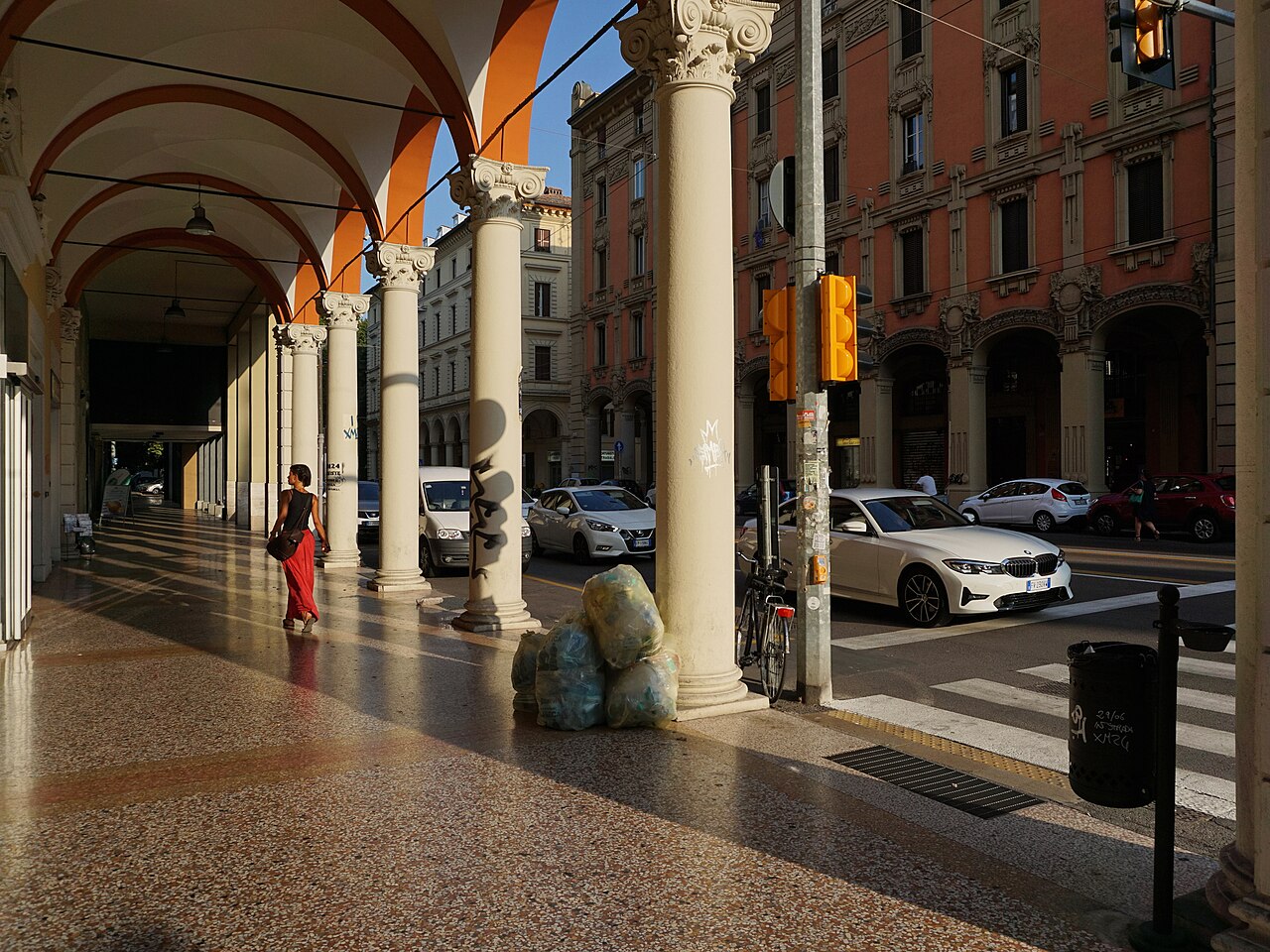
That may be Bologna’s most generous lesson for a curious traveller: a place is not divided into culture over here and everyday life over there. Often they are the same street.