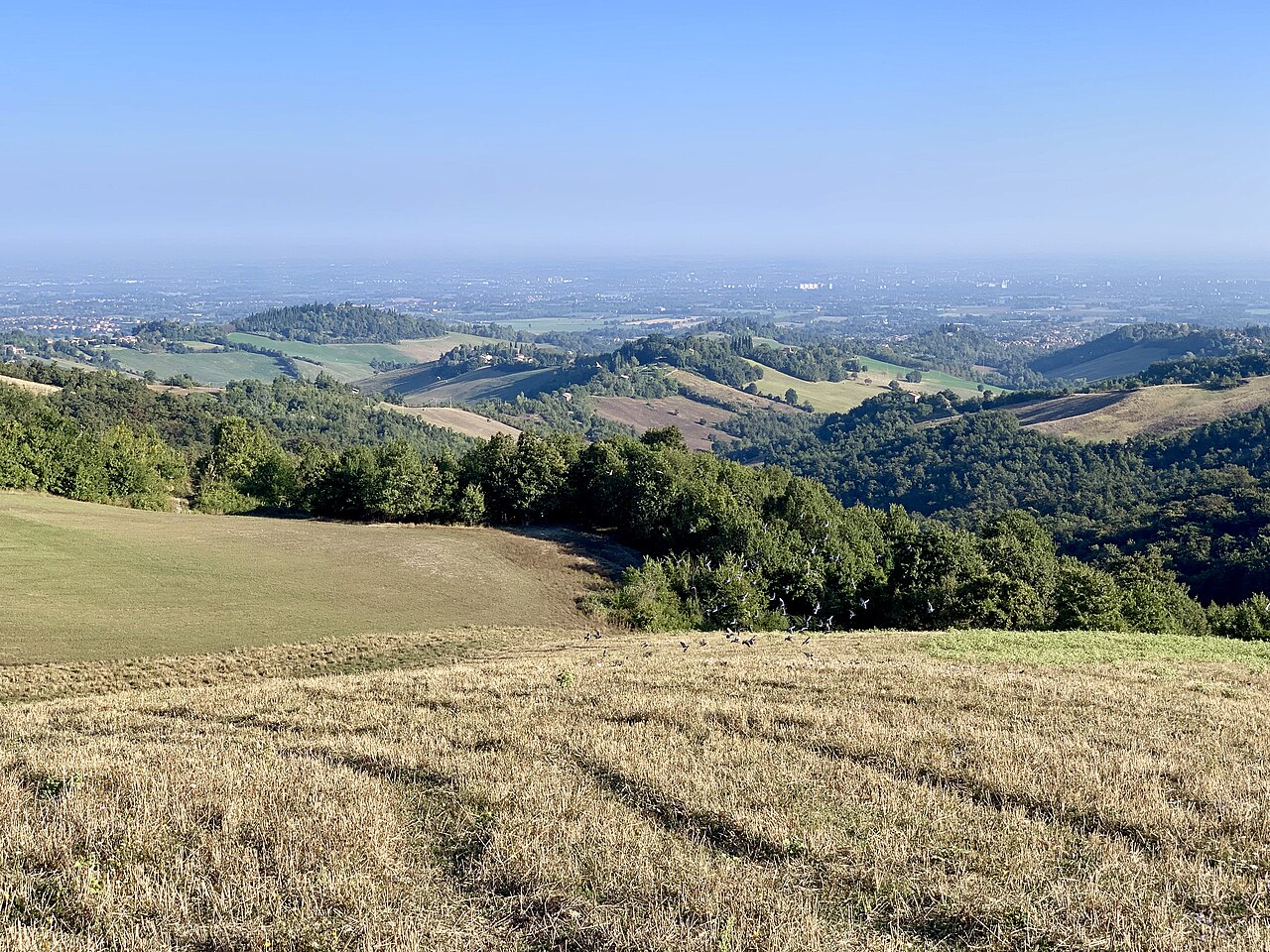
The most photogenic room in a town may be the wrong base for the trip you have planned.
If you are travelling to see makers, map the visits first. A rural stay may give you landscape and long evenings but require a car for every appointment. A room in the historic centre may let you walk to markets and museums but make luggage, parking or late arrivals more complicated. Neither is superior. Each changes the shape of the day.
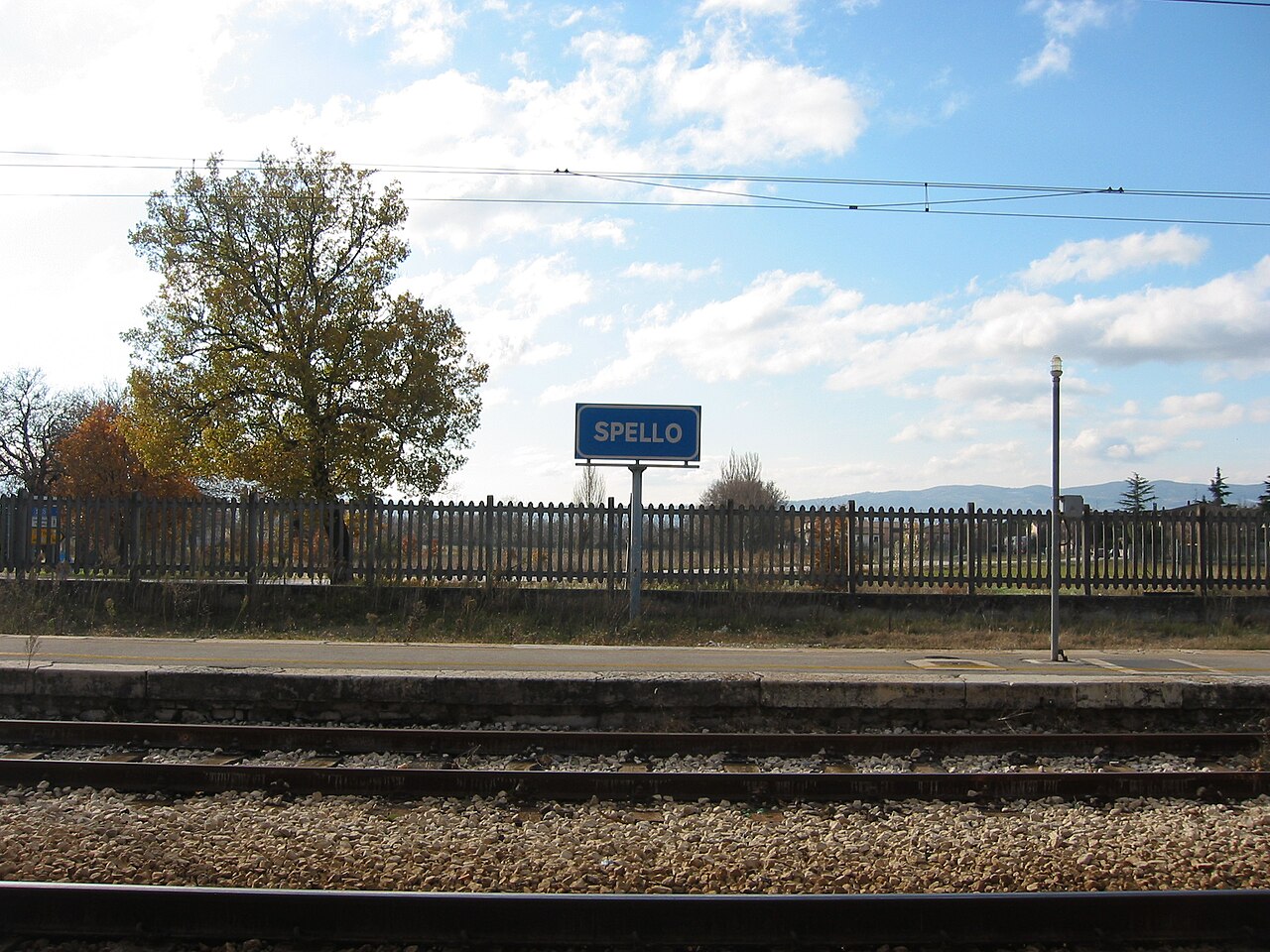
Ask a host questions that photographs cannot answer. How do guests reach the property from the station? Can breakfast fit an early visit? Is there a quiet place to work or read? If you need accessibility, ask about the exact entrance, steps and bathroom, not only whether the property is described as “accessible”. If you want an introduction to a local maker, ask whether the host can actually arrange it and whether that person welcomes visitors.
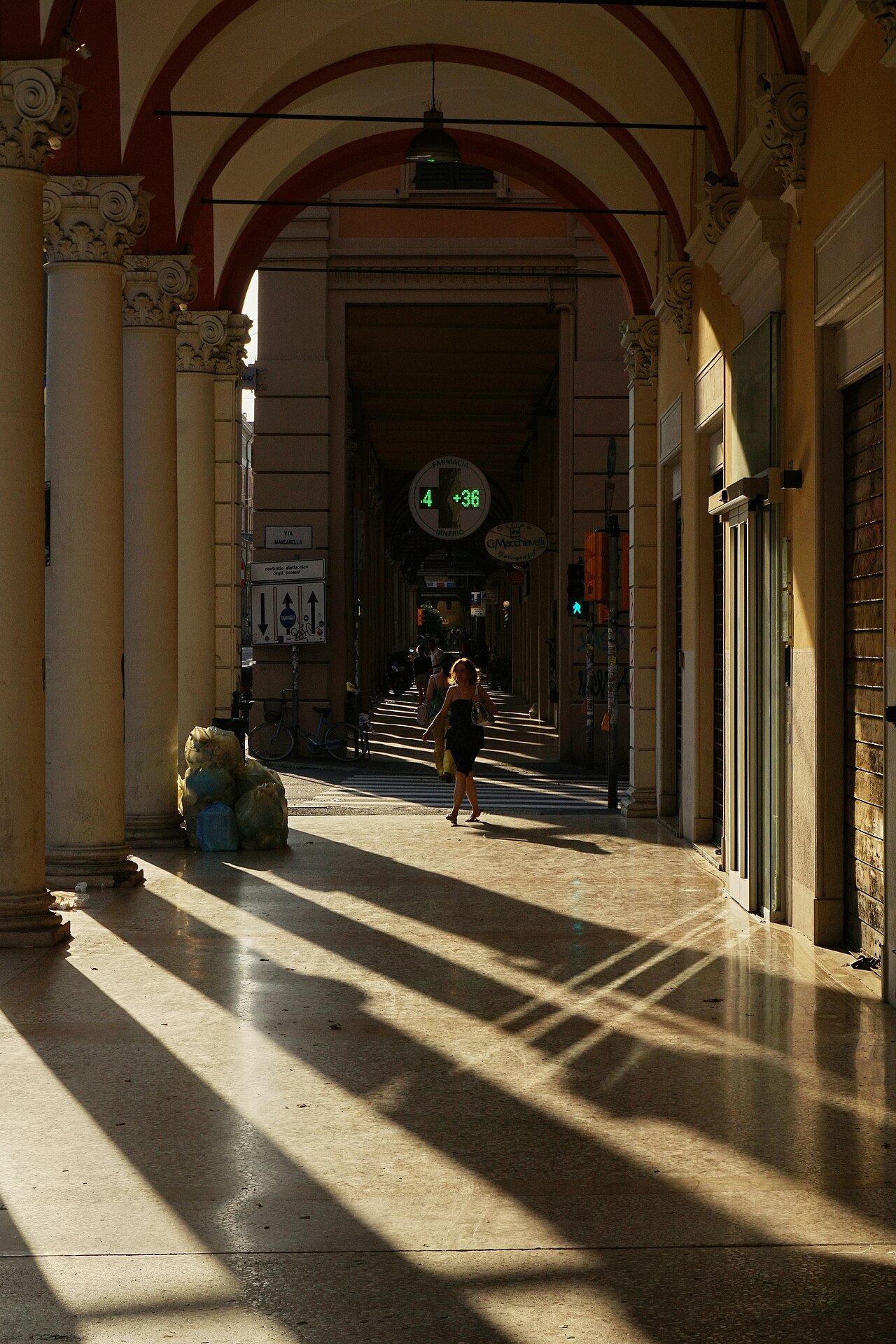
Small hotels and family properties can offer a relationship with a place, but that is not automatic. Look for a host who explains what the surrounding area is like in ordinary time, not only at sunset. A good recommendation may be a workshop appointment, a table worth reserving, or a morning with no schedule at all.
Before you book, draw a small map of the journey rather than comparing bedroom photographs in isolation. Mark the train station, the workshops or museums you hope to visit, the hours at which you will travel between them and the place where you would like to spend an unscheduled evening. A charming property can still cost you an hour every morning in avoidable travel. That cost is part of the stay even when it is absent from the room rate.
Ask the host about the ordinary version of the place. Is the restaurant open on the night you arrive? Does the neighbourhood feel walkable after dinner? Is there a way to reach a village without hiring a car? If a host recommends a maker, confirm that the maker welcomes introductions and that the visit is appropriate. The best base is not always the most secluded or the most central. It is the one that lets the journey you imagined actually happen.
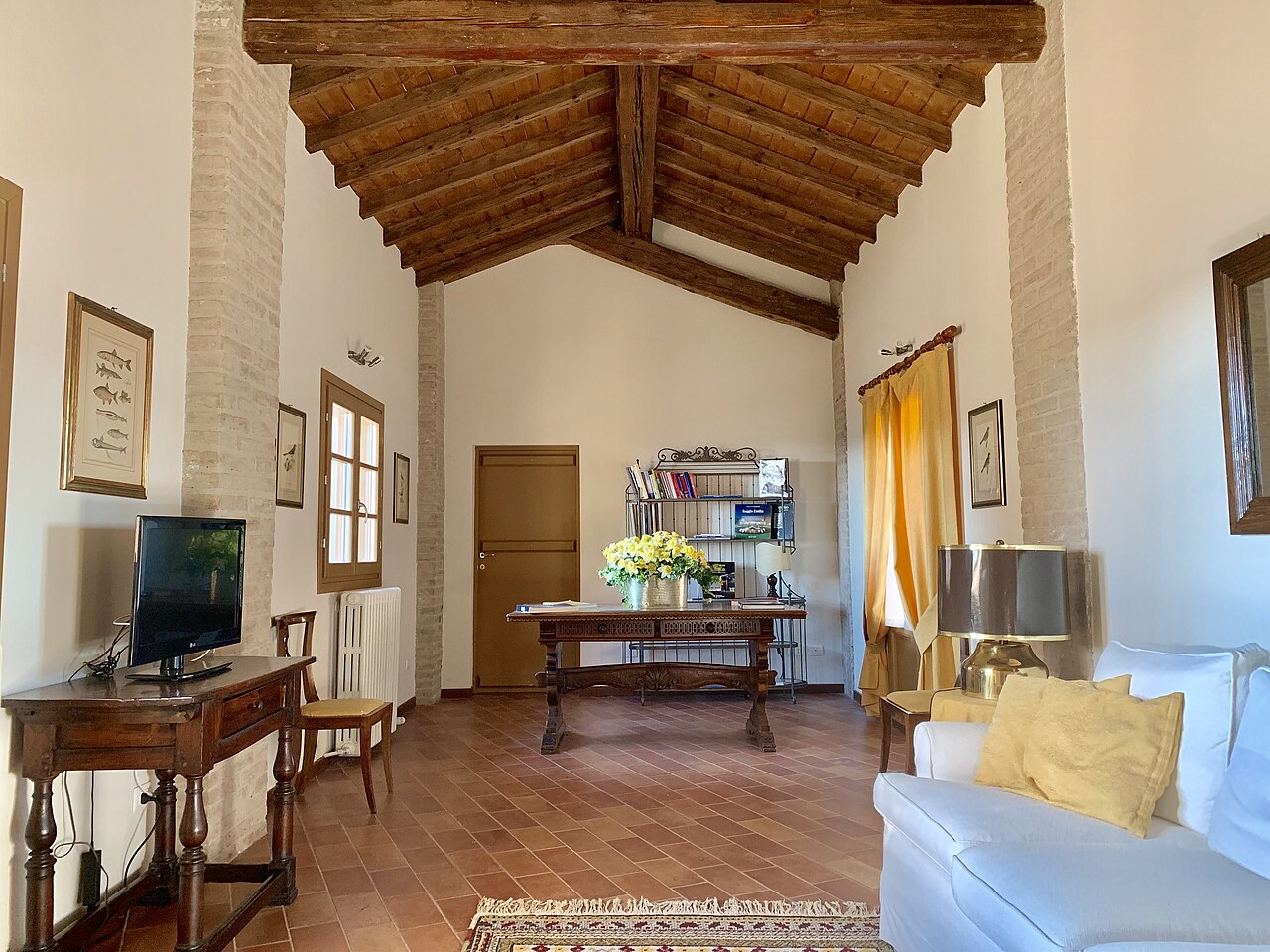
Where you sleep is part of the itinerary. It determines which streets become familiar and what you have enough time to notice.