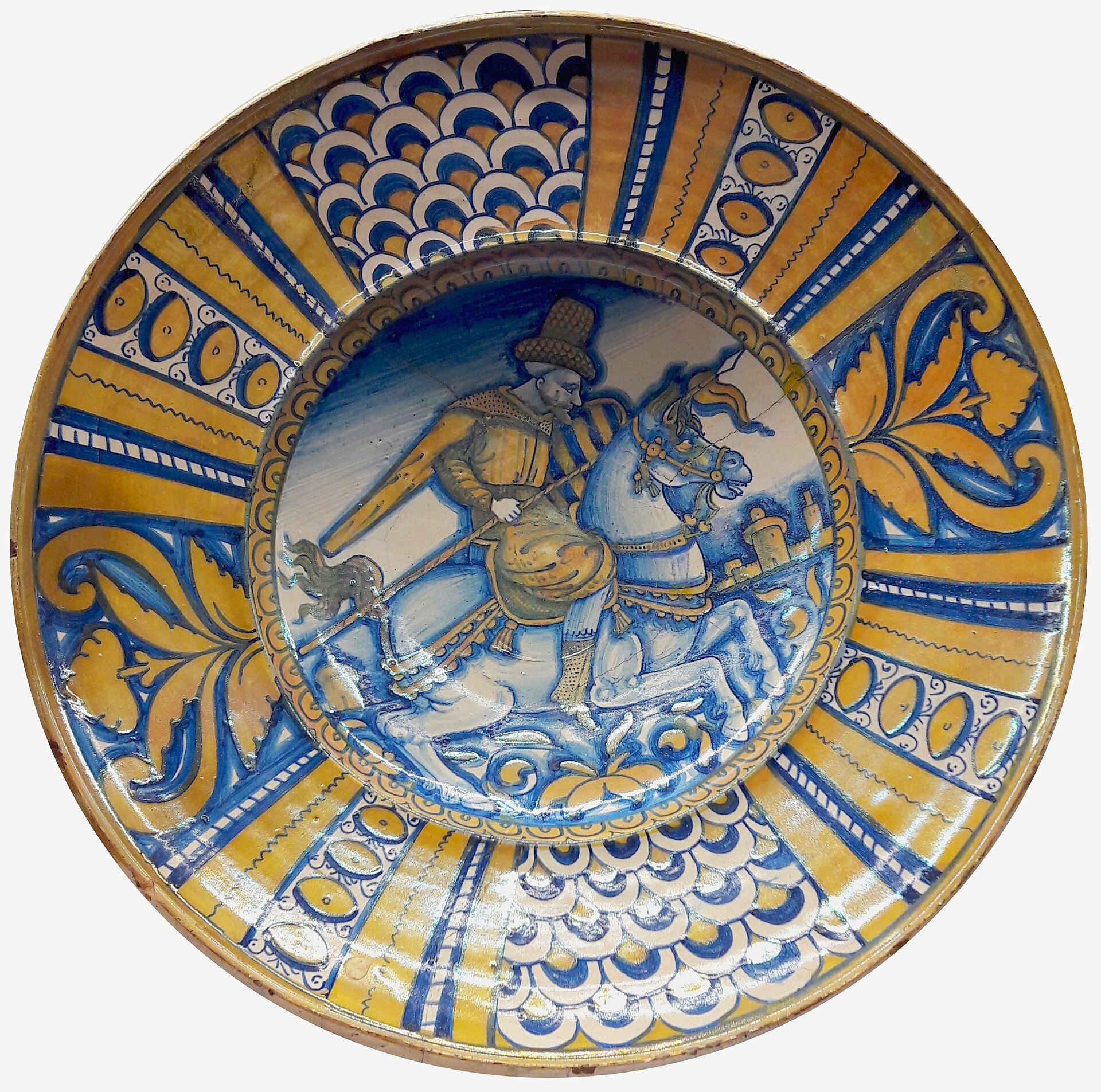
On a conventional map of Umbria, Deruta and Gualdo Tadino are towns to pass through. On a ceramic map, they become places to stop, look at a surface and ask why it could only have been made this way, here, at this point in time.
The regional tourism board’s Ceramic Road in Umbria links several towns and collections. In Orvieto, it points to archaeological and medieval production. In Deruta, a museum and the town’s workshops trace a long history of majolica. In Gualdo Tadino, lustreware and the Rubboli tradition open a different conversation about surface, light and technique.
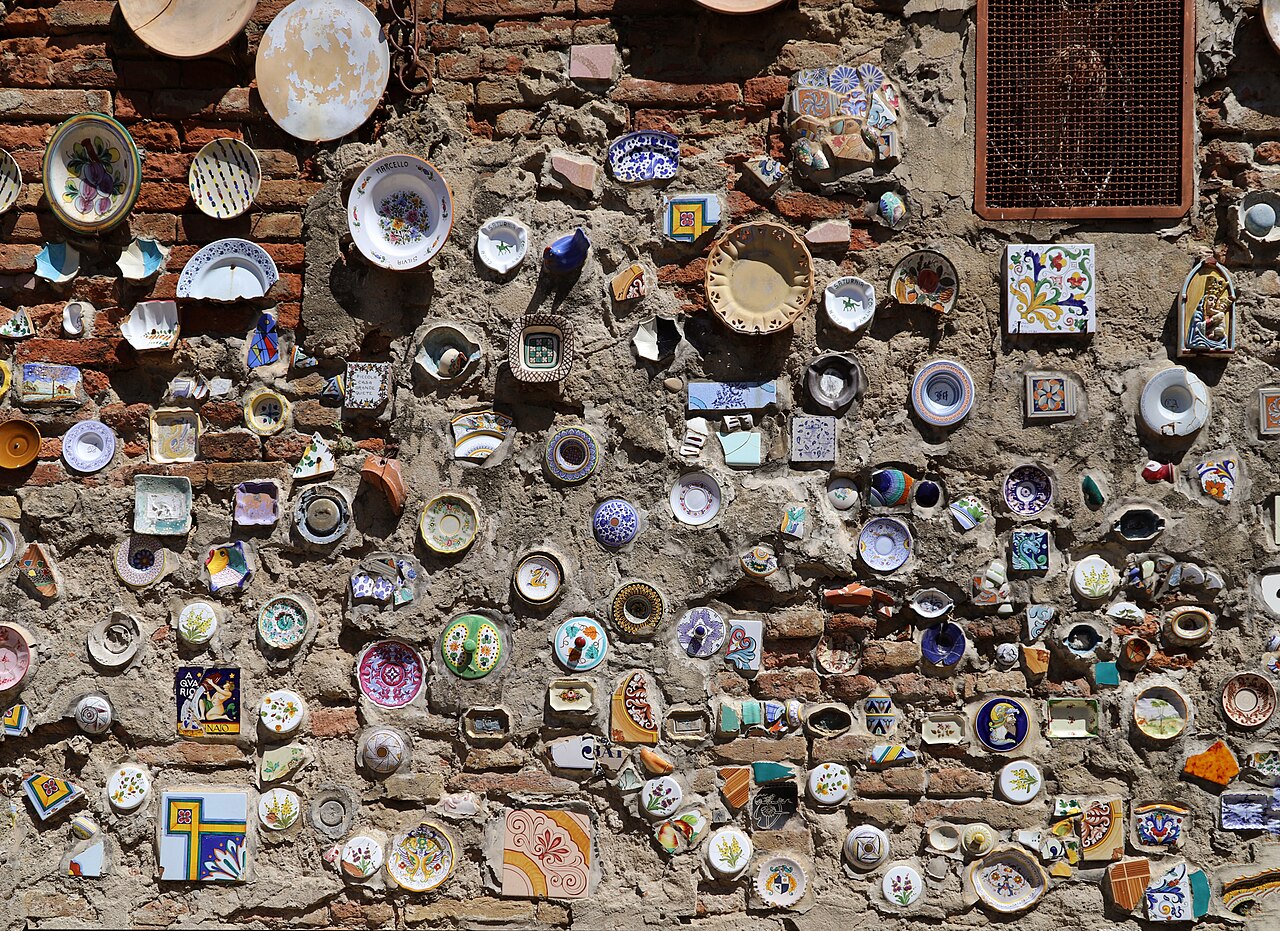
This is not a route to complete in one breath. Choose one town for its museum, another for a maker you have arranged to meet, and leave enough time to notice the streets between the two. In Deruta, ceramic work appears not only in shop windows but also in details of the town. The regional guide notes tiles, façades and even a decorated bench. Objects are part of the place before they become things to carry home.
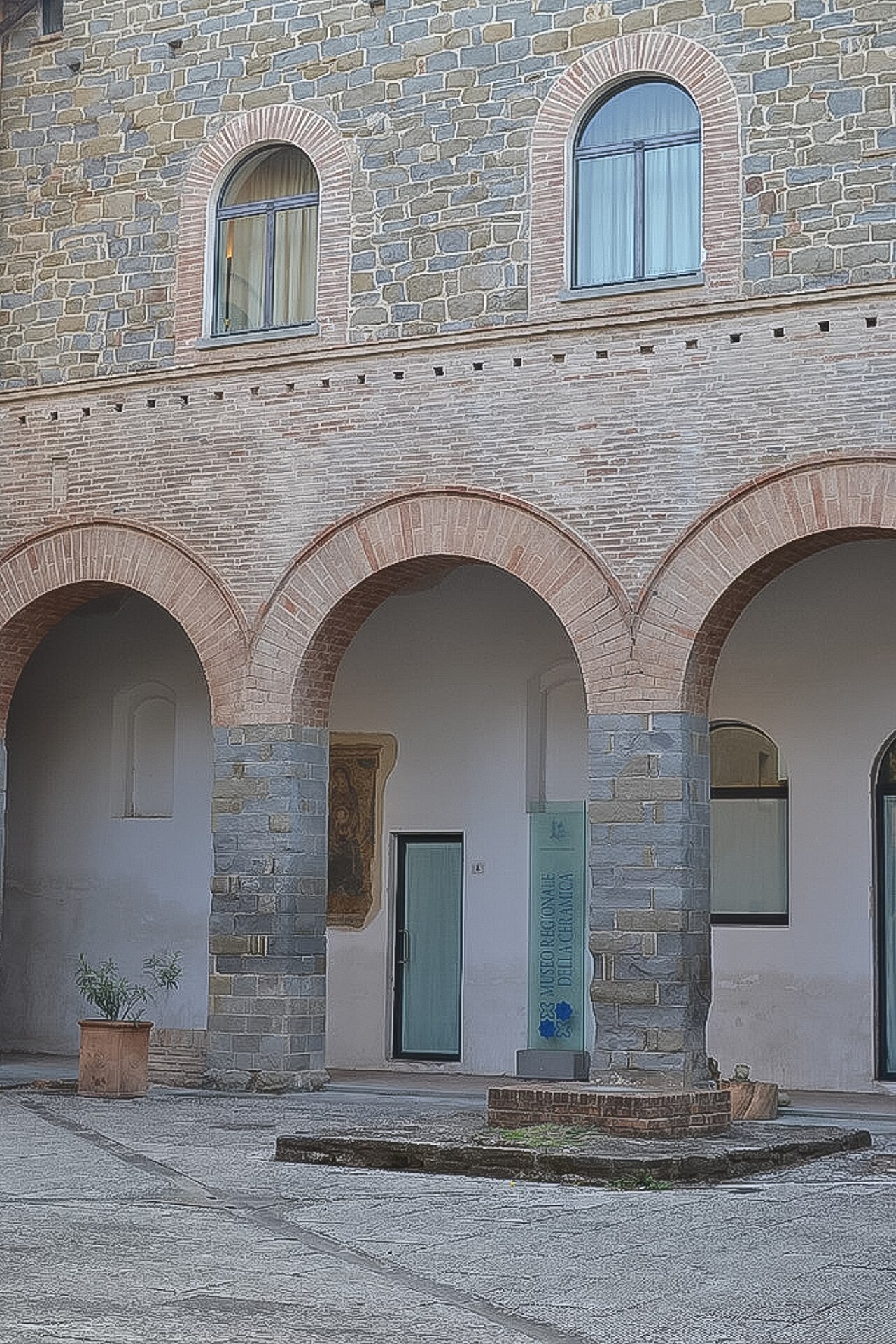
At a museum, look for the change in forms and uses across centuries. At an atelier, ask what the maker does now that a historic display cannot show. The contrast may be the most valuable part of the day. A town with a ceramic history is not obliged to keep repeating one pattern forever.
An itinerary by material needs two kinds of appointment. The museum shows the long conversation: changing shapes, surfaces, uses and clients. The workshop shows the present tense: what a maker can still do, what they choose to alter and what they refuse. Put both on a map, but do not assume a studio is open simply because its work appears online. Contact it in advance and accept that a working day may not have space for visitors.
The route also needs room for looking without buying. A ceramic detail in a street, a museum object too fragile for everyday use, and a bowl on a shop shelf can each teach something different. If you bring one piece home, learn its intended use and care. The journey is not proved by the number of purchases. It becomes memorable when you can explain why that particular object could only have joined your life after that particular encounter.
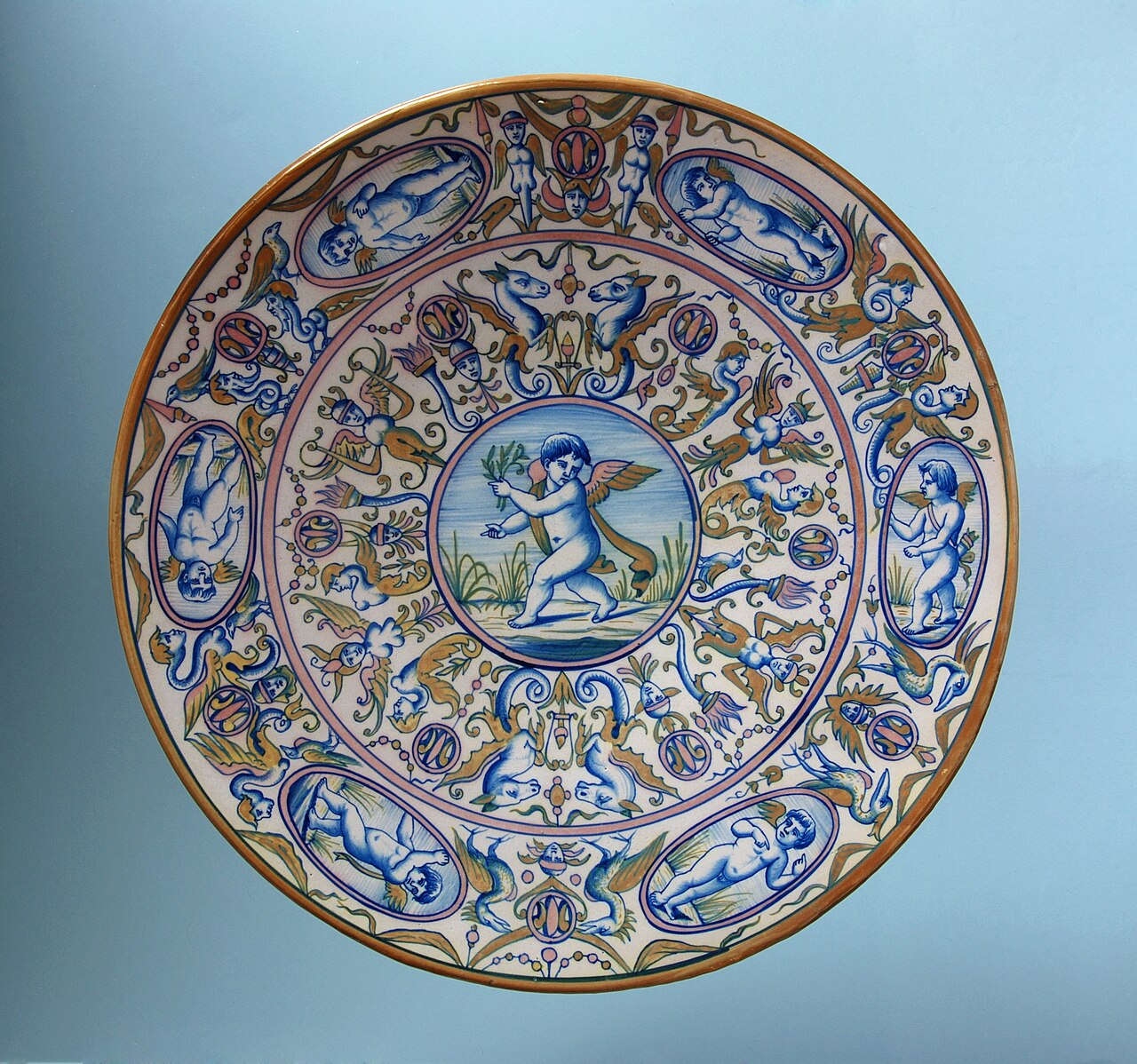
An old vessel behind glass and a new one whose surface a maker is still deciding how to finish answer different questions. Give each the time it needs. The journey becomes richer when the material is allowed to have both a history and a present.