The word atelier can make an ordinary door seem like an invitation. In reality, it may open onto someone’s working day, private home or production schedule. The first act of curiosity is to ask whether visitors are welcome.
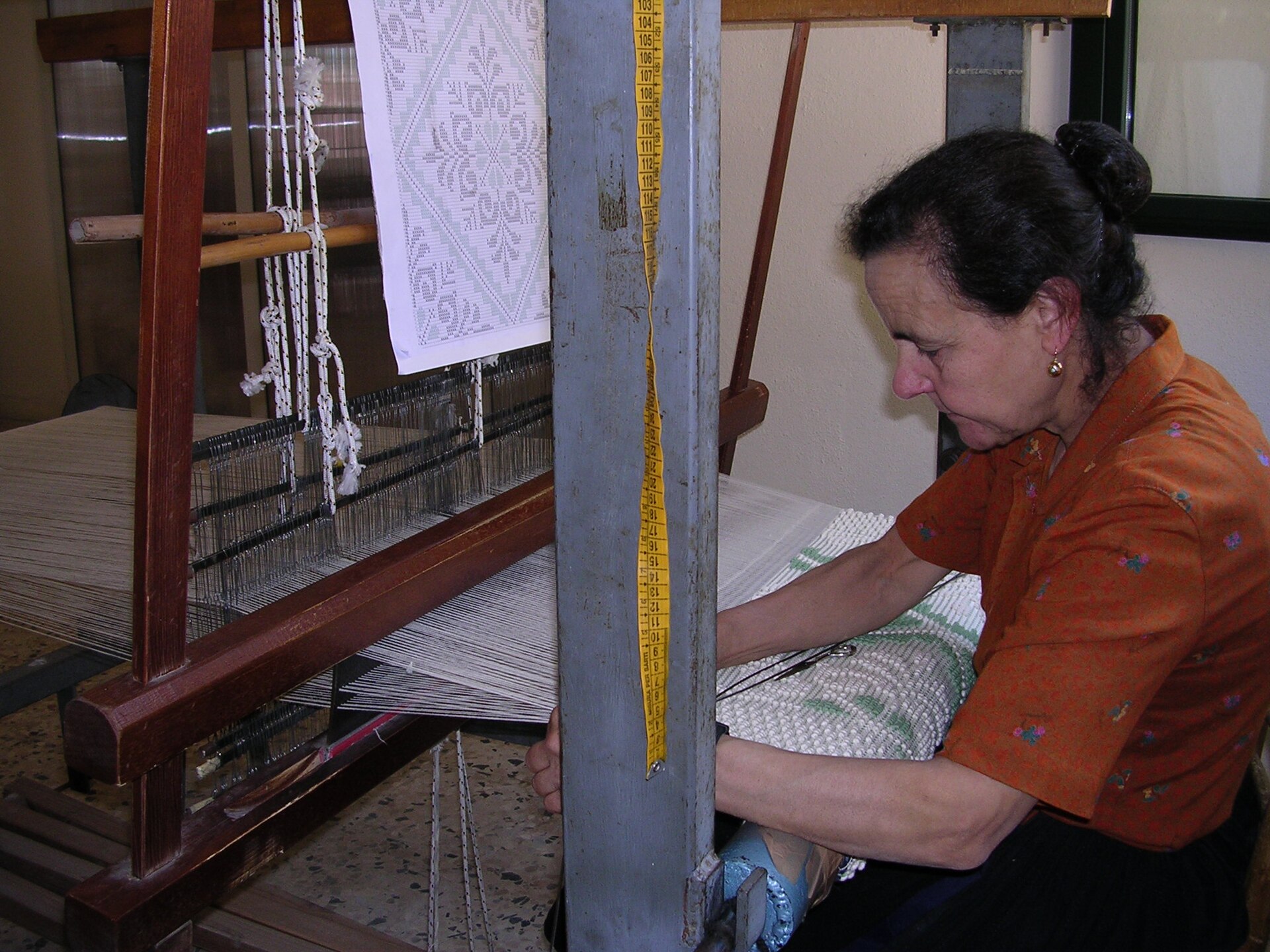
Some workshops explain their access clearly. Busatti, the textile company in Anghiari, says its production can be visited by appointment. That sentence matters. It tells you a visit is possible, and that the time belongs to the people working there as much as to the traveller. Other makers may offer a shop, a guided tour, a public event or no visit at all.
When you write, explain why you are interested. Are you hoping to see a process, speak about a possible commission, or choose a piece? Ask how long a visit can last, whether there is a fee, which languages are available and whether photography is permitted. If you are accompanying children or need accessible entry, ask in advance rather than assuming the space works like a museum.
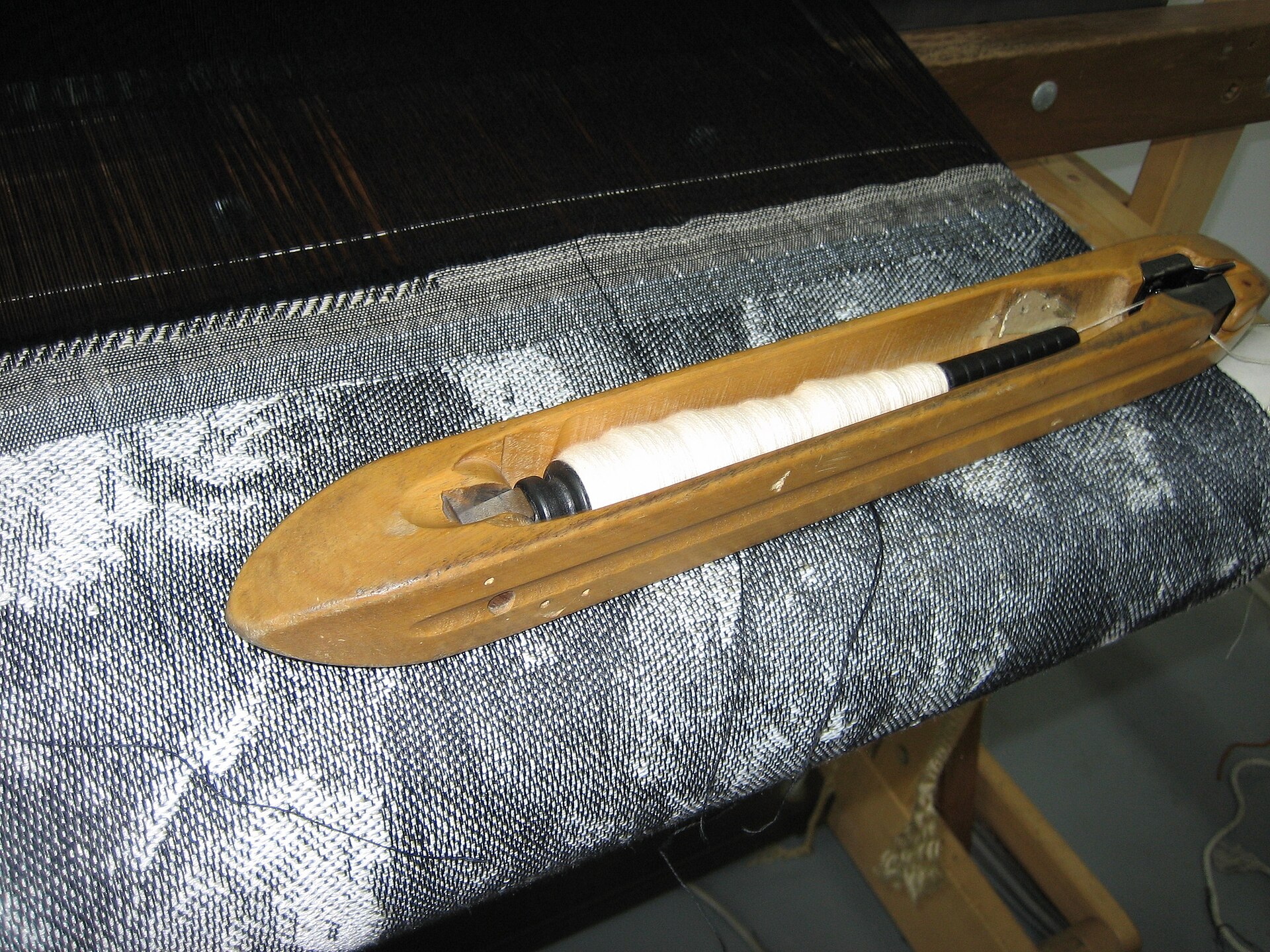
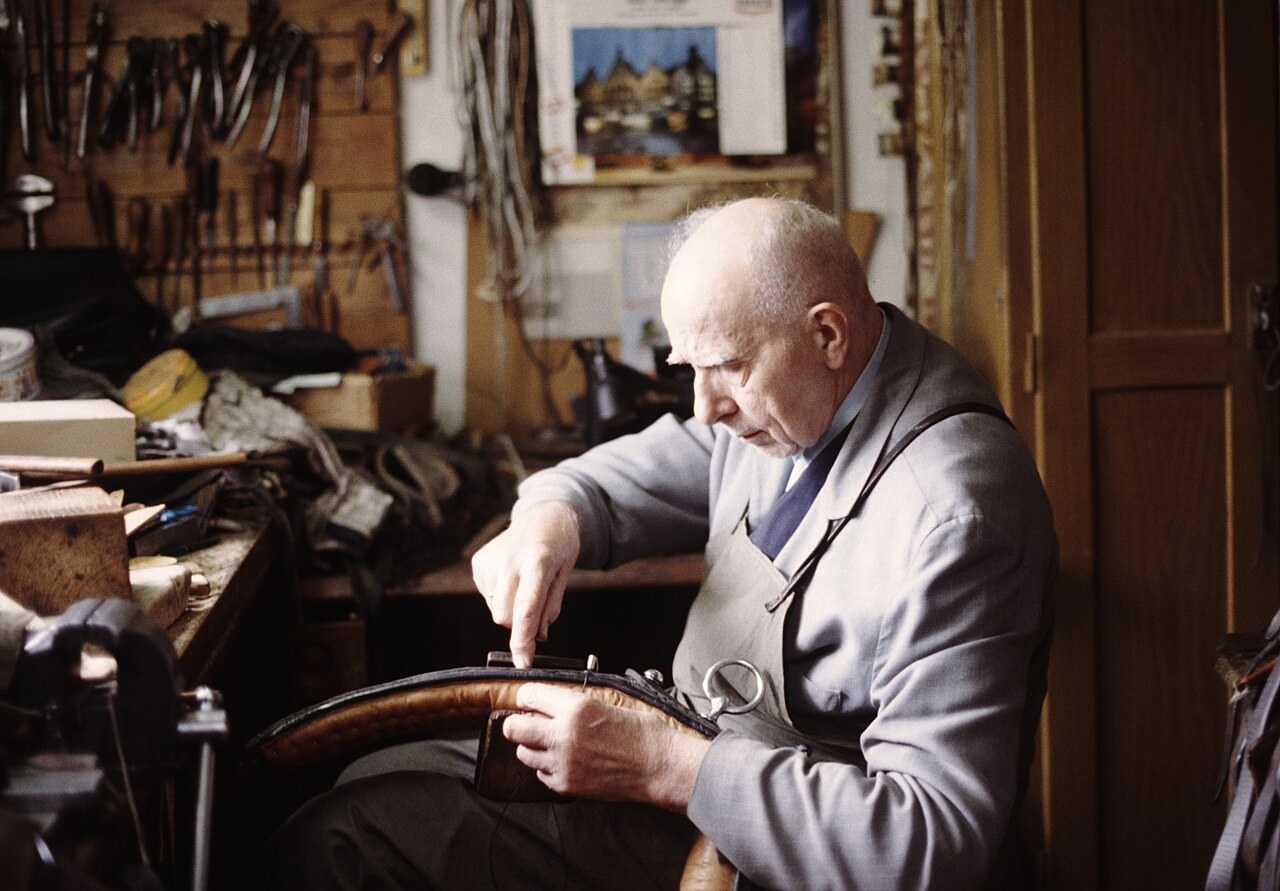
Arrive ready to listen. A workshop visit is not a performance owed to a passer-by. Machines may be running, people may be finishing work for clients, and some steps may not be safe or appropriate to show. A good encounter might be brief: a maker explaining one decision in one object. That can tell you more than an hour of photographs.
A visit can take several forms. You might be welcomed into a shop attached to production, taken through a scheduled tour, invited to a demonstration or asked to return another day because a deadline makes interruption impossible. Each answer is legitimate. Treating a private workplace like a public museum would make the maker's time invisible, precisely when you hoped to understand it.
The most memorable part of a visit may be a limitation. A maker explains why a kiln cannot be opened yet, why one finish must dry before another can begin, or why a commission takes longer than its photograph suggests. Those details connect the finished object to a rhythm of work. Ask before taking pictures and buy only if there is something you genuinely want. A respectful visit is not a transaction demanded in exchange for access, but neither is the maker obliged to turn a working day into free entertainment.
The best way to leave is with a clearer understanding of the work and with its author still in control of how that work is seen.