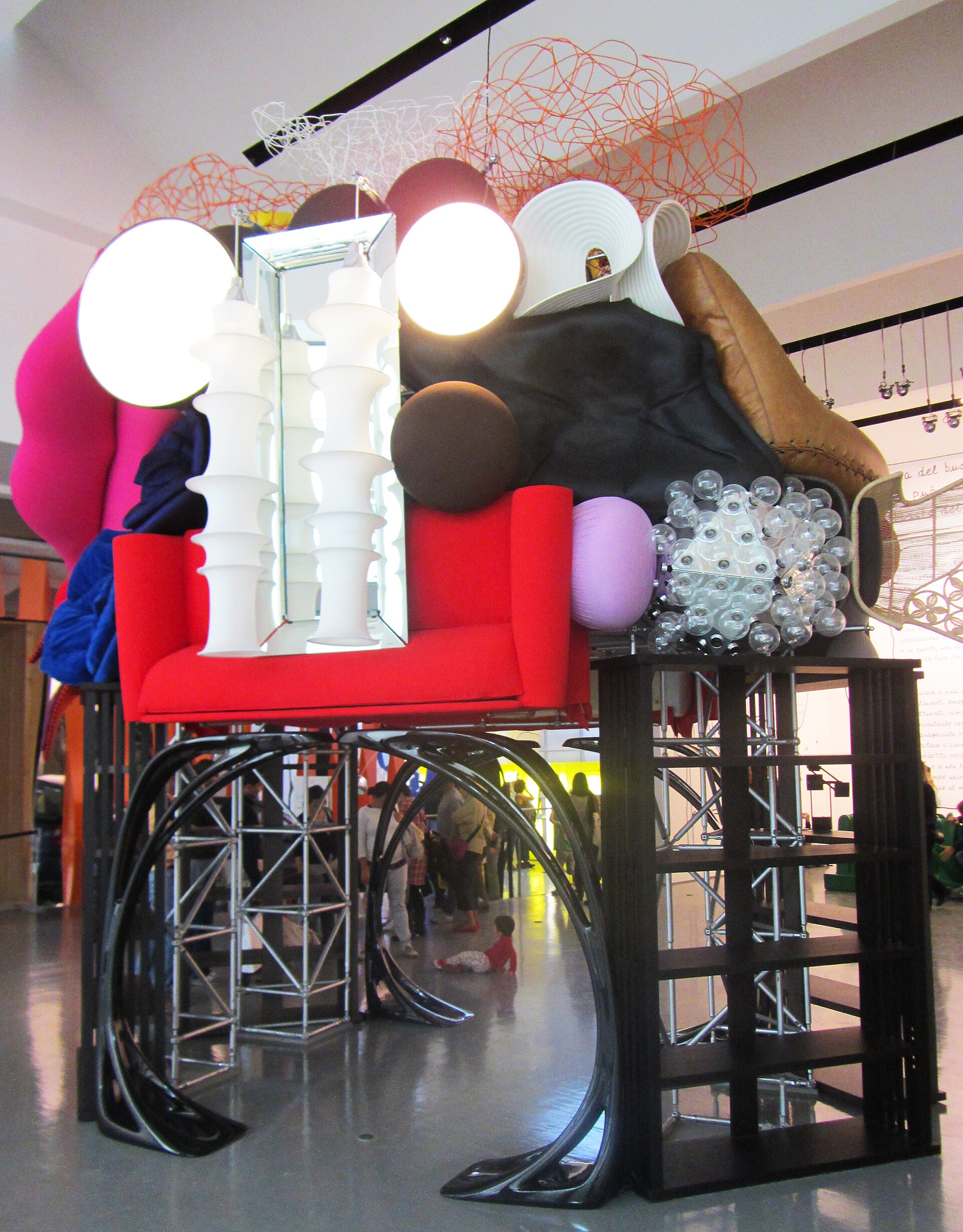
When the temporary installations come down, Milan still has rooms full of arguments about how people should live. Two museums make a good beginning, and they tell the story from different directions.
At Triennale Milano, the permanent Museo del Design Italiano presents about 400 objects from the 1920s to the 2000s. Walking its chronological route is a way to see how ideas about the home, production and daily life changed across generations. Give yourself time to stop at an object you do not recognise. The famous pieces will still be there after you have looked at the unfamiliar one.
The ADI Design Museum offers a different lens through the history of the Compasso d’Oro award. Established in 1954 from an idea by Gio Ponti, the prize has followed the relationship between design, industry and public use. You can leave the museum with a better question than “Which object is iconic?”: what problem did the jury, maker or designer believe this object solved?
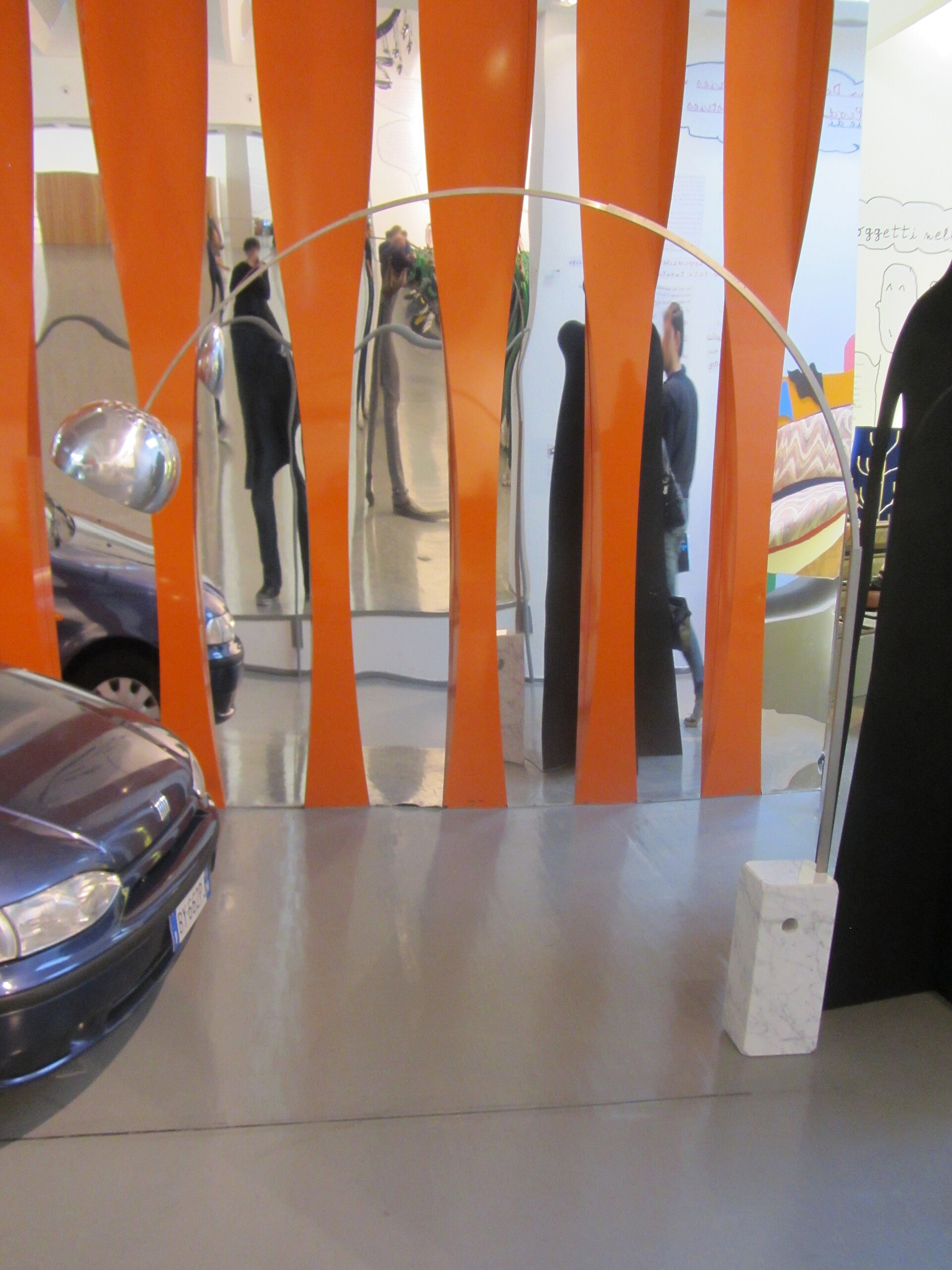
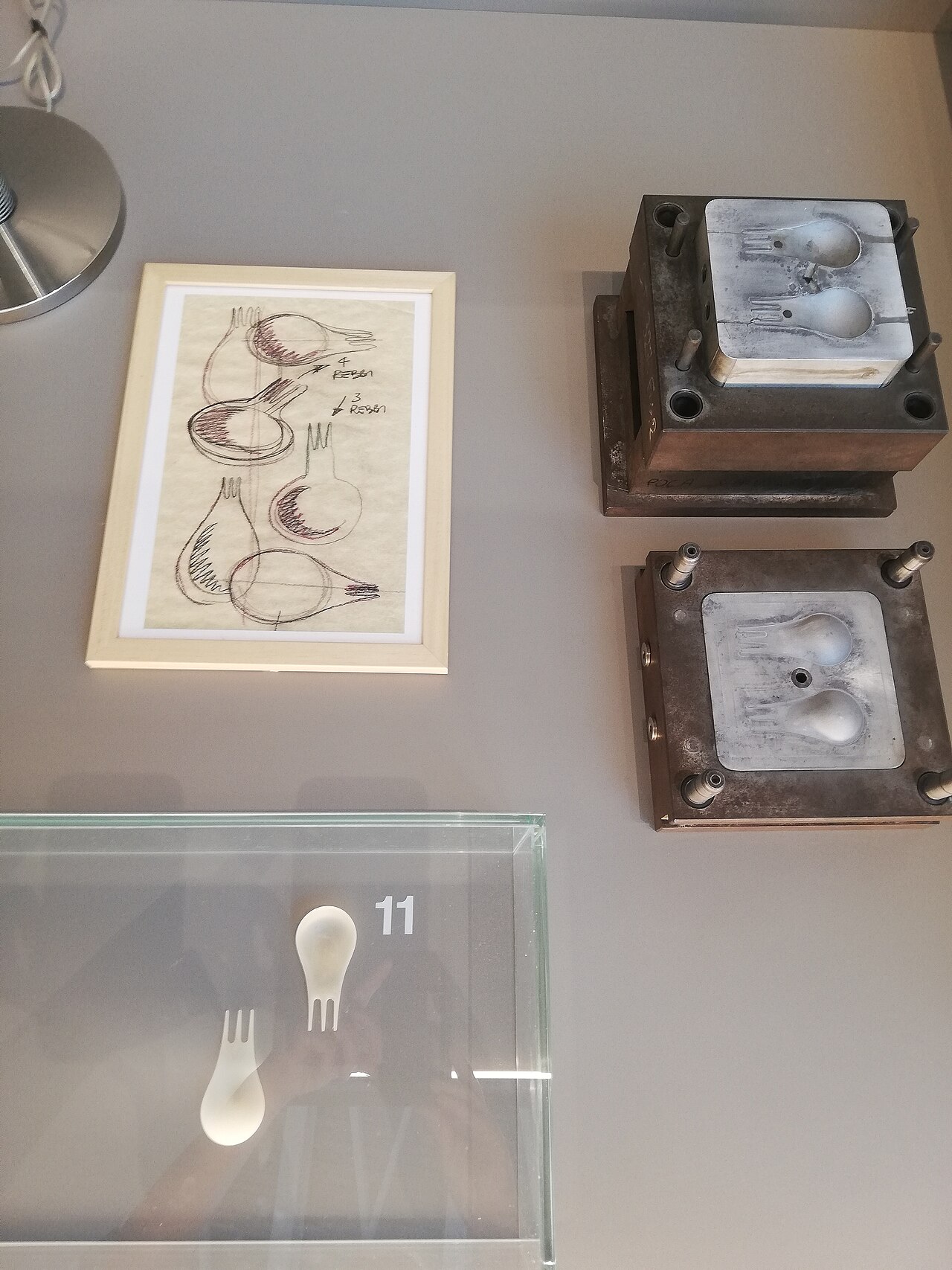
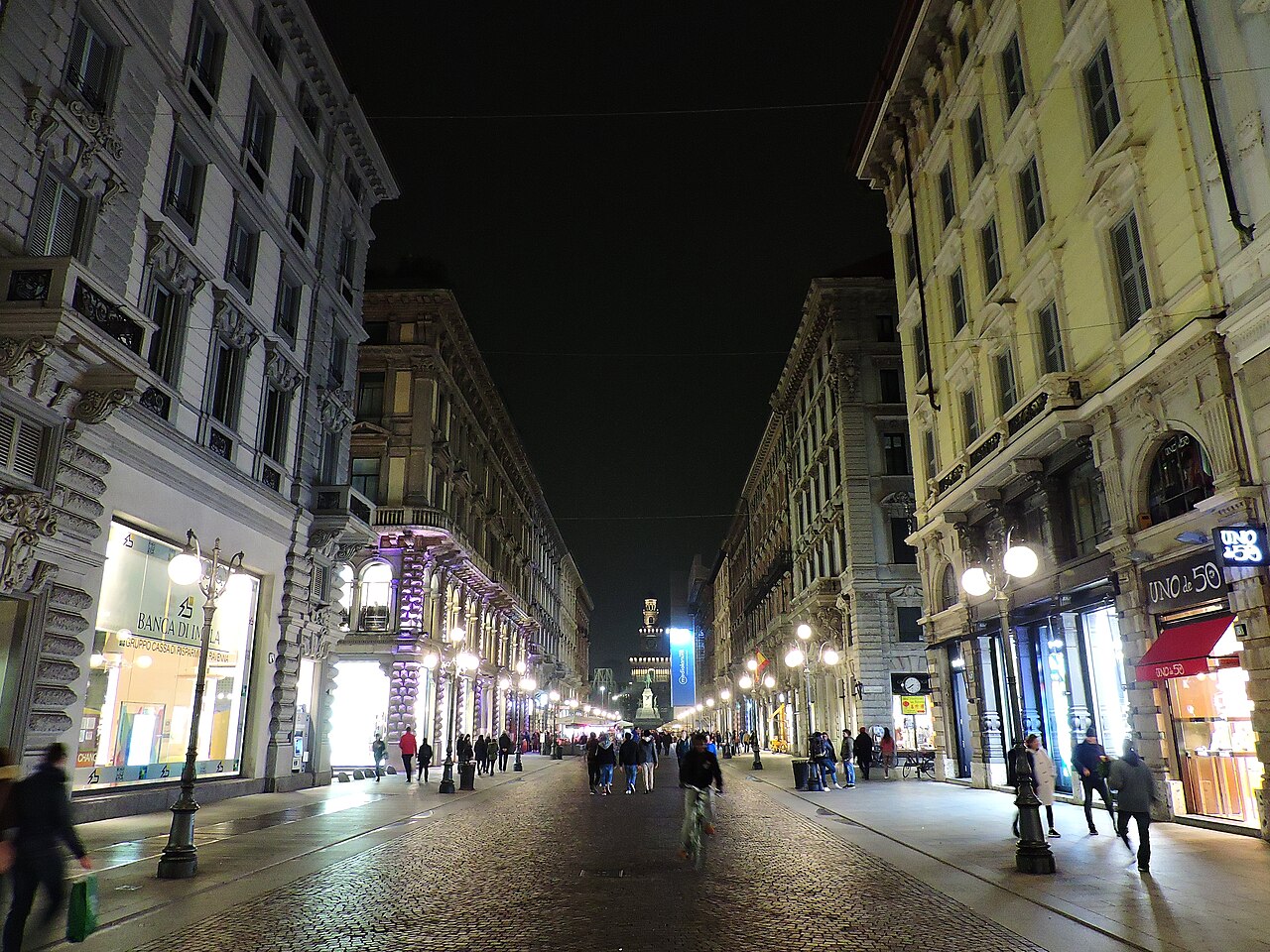
Do not plan the day only as two museum tickets. Look at the city between them: the ordinary furniture of cafés, shop windows and the way people occupy public space. A designer’s idea becomes more legible when you notice the habits and constraints of the place where it was made.
The two collections reward different ways of looking. At Triennale, follow the years and watch domestic expectations shift. At the ADI Design Museum, follow the reasons a jury and design culture chose to recognise particular work. A piece that seems familiar from a thousand images may be less revealing than one whose original purpose surprises you. Read the date, maker and producer together. Design history is also a history of who could make an idea repeatable.
Between visits, let the city complicate the museum narrative. A chair in a café is not necessarily a design icon, but its height, wear and placement tell you how people actually inhabit a space. A window display may put contemporary production beside historical quotation. These everyday observations will not replace the archive. They will make the archive less abstract. The fair can introduce a new object; Milan throughout the year can help you understand the habits into which such an object might enter.
Check the current exhibitions and opening hours before setting out. Then allow one object you did not arrive looking for to change the rest of the day. Milan's design history is more generous than a checklist of icons.