Before a person sits down, the room's textiles have already altered the light. A curtain can make afternoon gentler; a tablecloth can turn a hard surface into a place to stay.
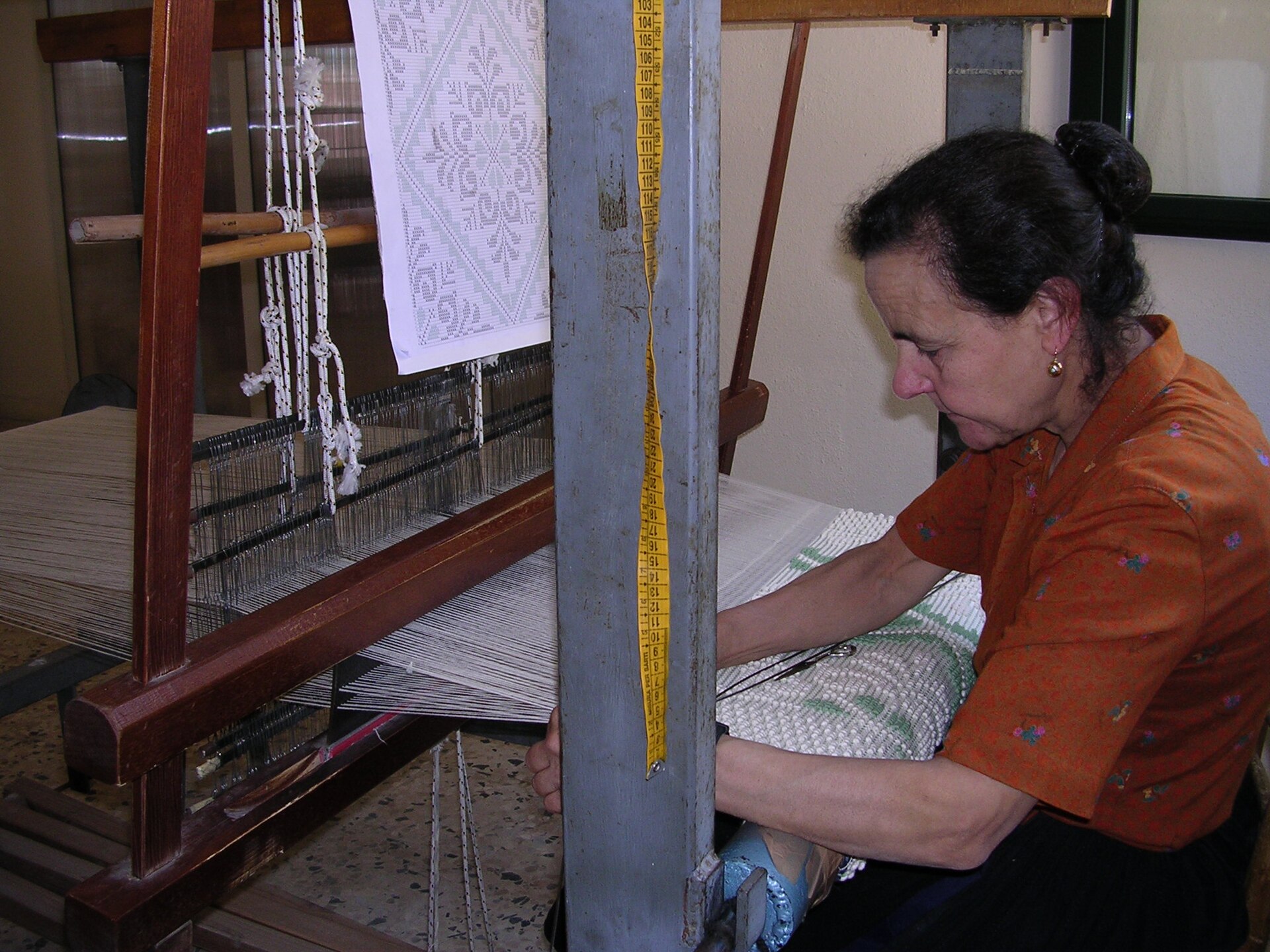
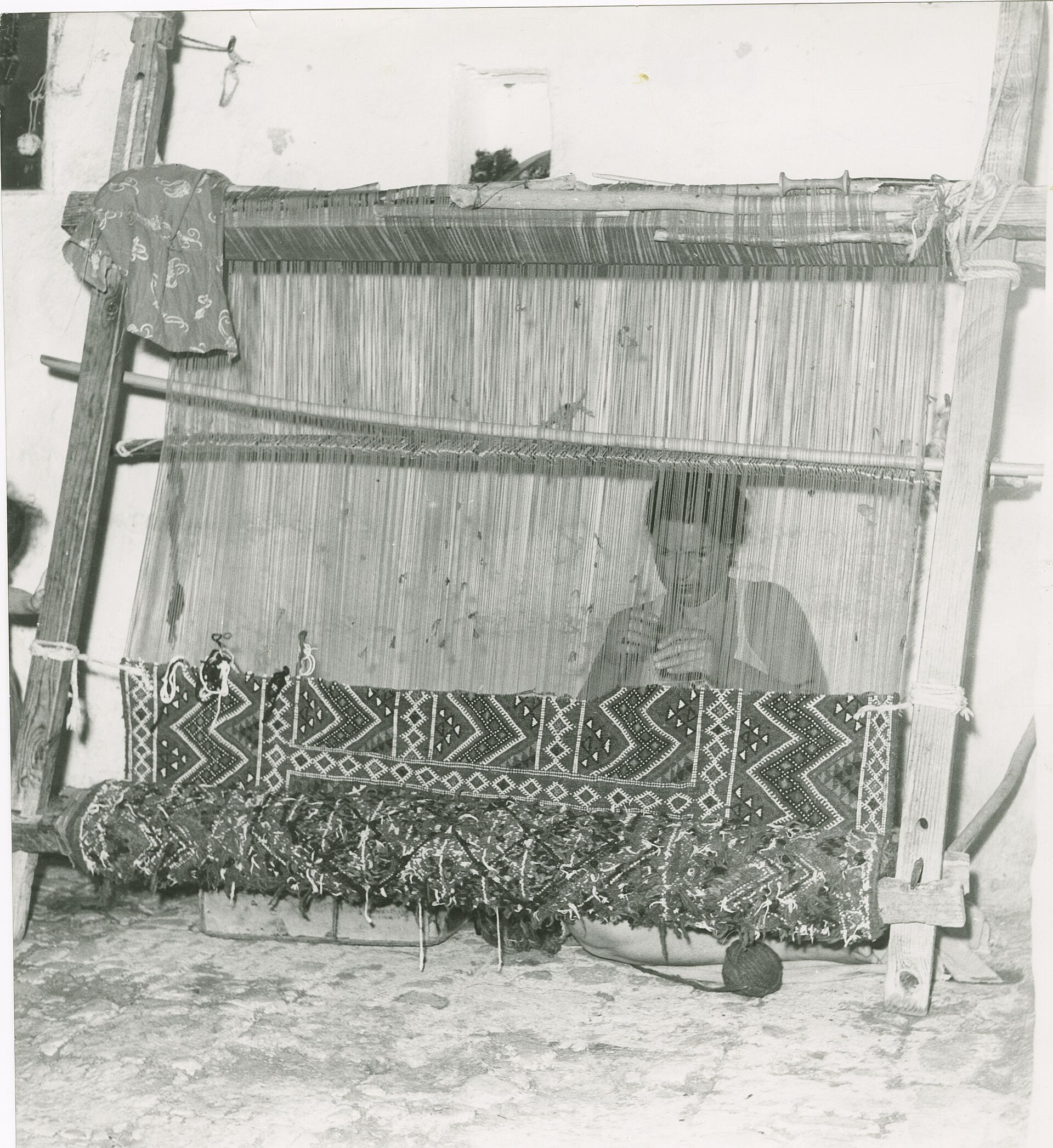
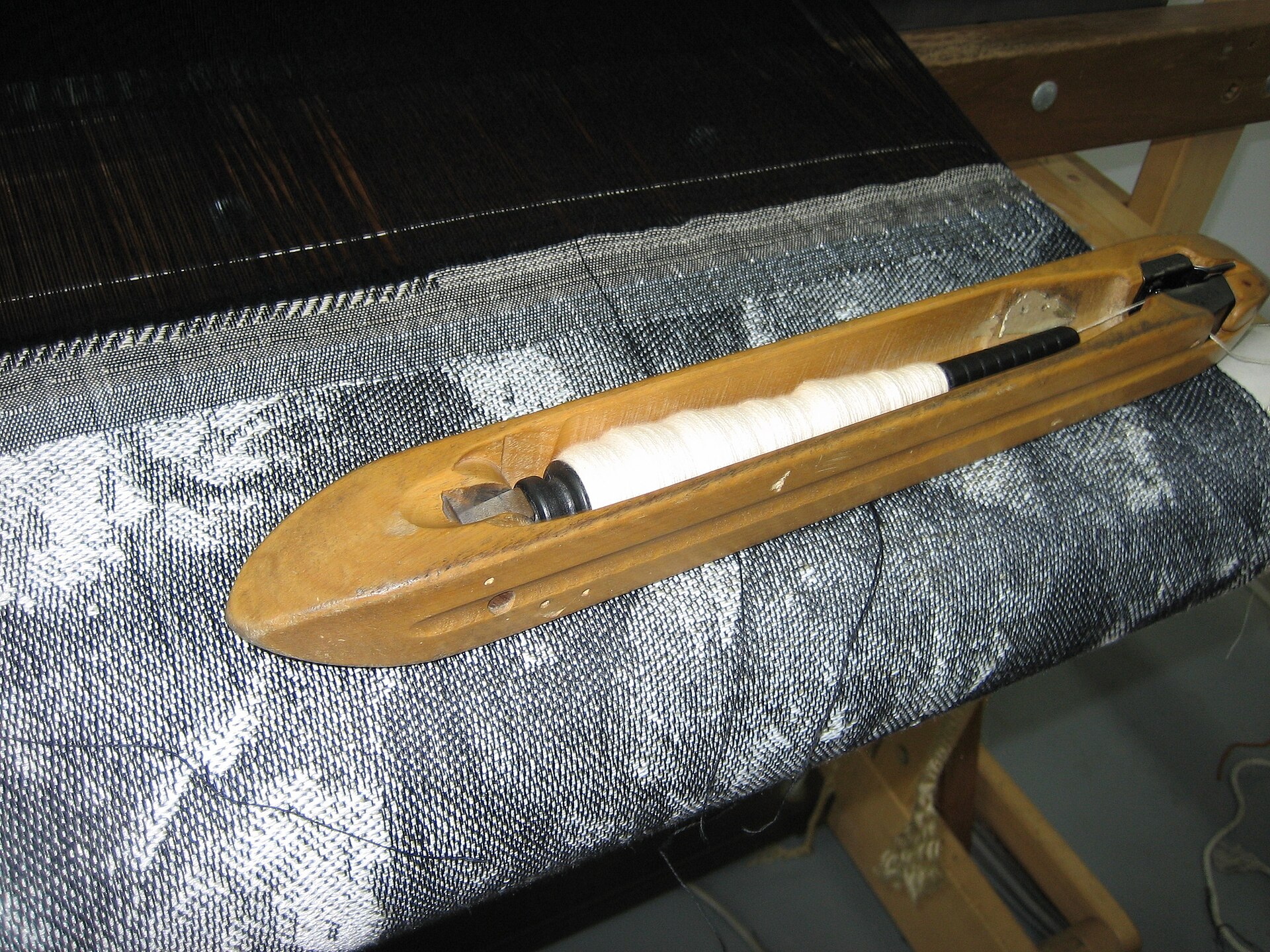
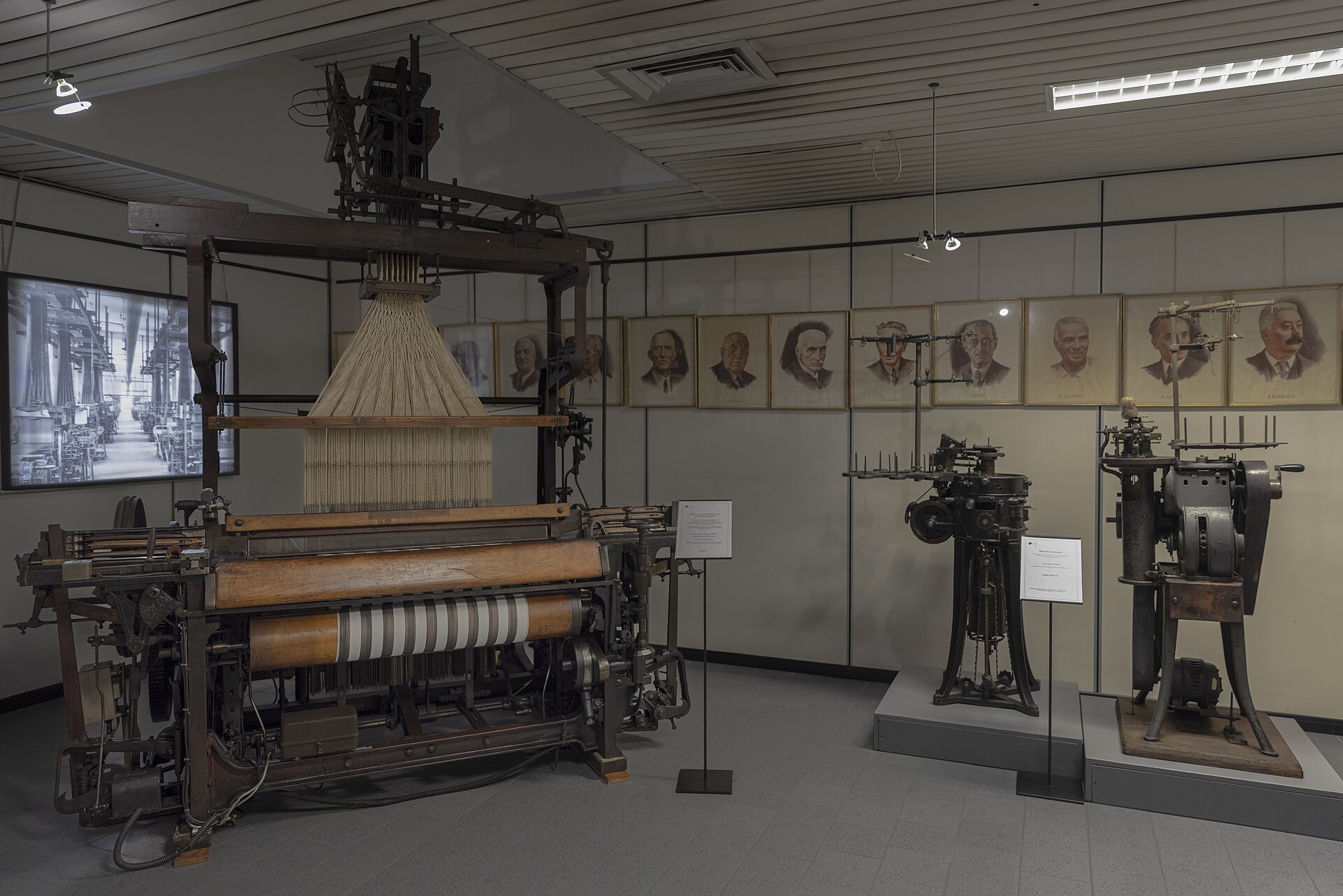
At Busatti in Anghiari, the company says its historic premises still house shuttle looms dating from the 1920s to the 1960s, used for linen and cotton textiles. It also describes a newer production site where contemporary techniques and designs are developed. That coexistence is more revealing than the simple word “traditional”. It shows that the question is not whether an object uses an old machine; it is whether the choices of fibre, weave and finish serve the life the textile is meant to have.
For curtains, look at a sample against your actual window. Does it soften light or block it? For a tablecloth, consider how frequently you will wash it and how it falls over the edge of the table. For upholstery, ask about abrasion, cleaning and replacement before deciding on colour. A close-up photograph can show a pattern; it cannot show how a cloth hangs or how it feels after a month in use.
Ask for composition, dimensions, finishing and care instructions. If a textile is made to measure, provide the measurements requested by the maker or installer, not an estimate. A beautiful weave chosen for the wrong application may spend its life being protected from the very activity it was meant to accompany.
An image can make a weave look almost flat. In a room, it has weight, movement and a sound when handled. That is why a small sample is so useful. Hold it in front of the window, fold it over the edge of the table, and compare it with the surfaces already present. The sample may persuade you to choose a different colour, or to keep the colour and change the weave.
Busatti's account of old and newer methods is a reason to look beyond the easy opposition between handmade and industrial. What matters for the cloth you will buy is the composition, the way it was woven and finished, and whether those choices suit its intended life. A linen curtain, a cotton tablecloth and an upholstered seat ask different things of a textile. Naming the loom alone cannot answer them.
Bring a sample to the actual window or table. See it at the hour the room is used. A fabric's most important decision may be made there, beyond the photograph and beside the light it will live with.