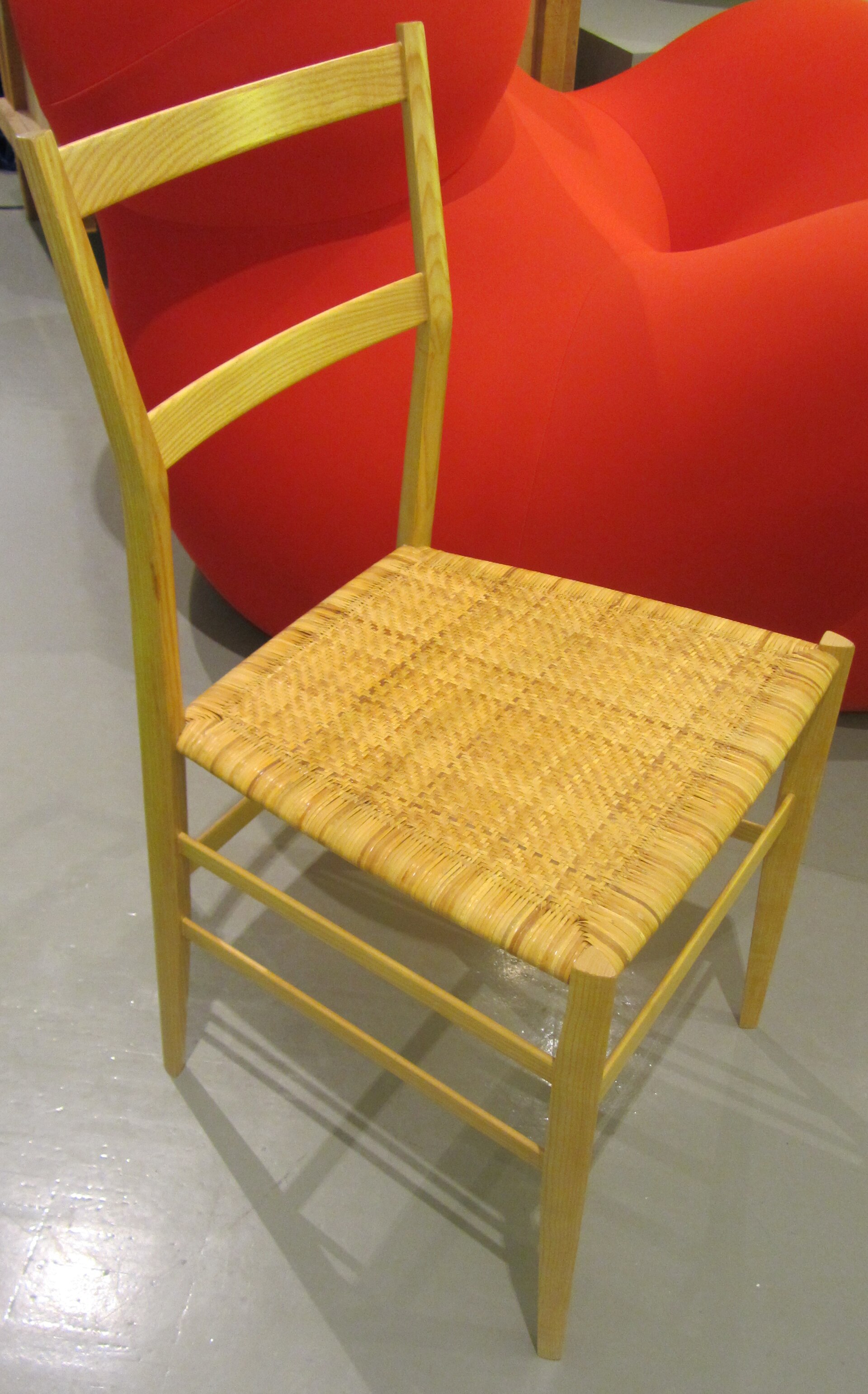
The history of Italian design becomes easier to remember when you begin with the questions, not the names.
Gio Ponti asked what design could become as a public culture. The Compasso d’Oro prize, established in 1954, began from his idea and was initially organised by La Rinascente. The prize created a way to put designed objects in front of a wider audience and to argue that their quality deserved attention.
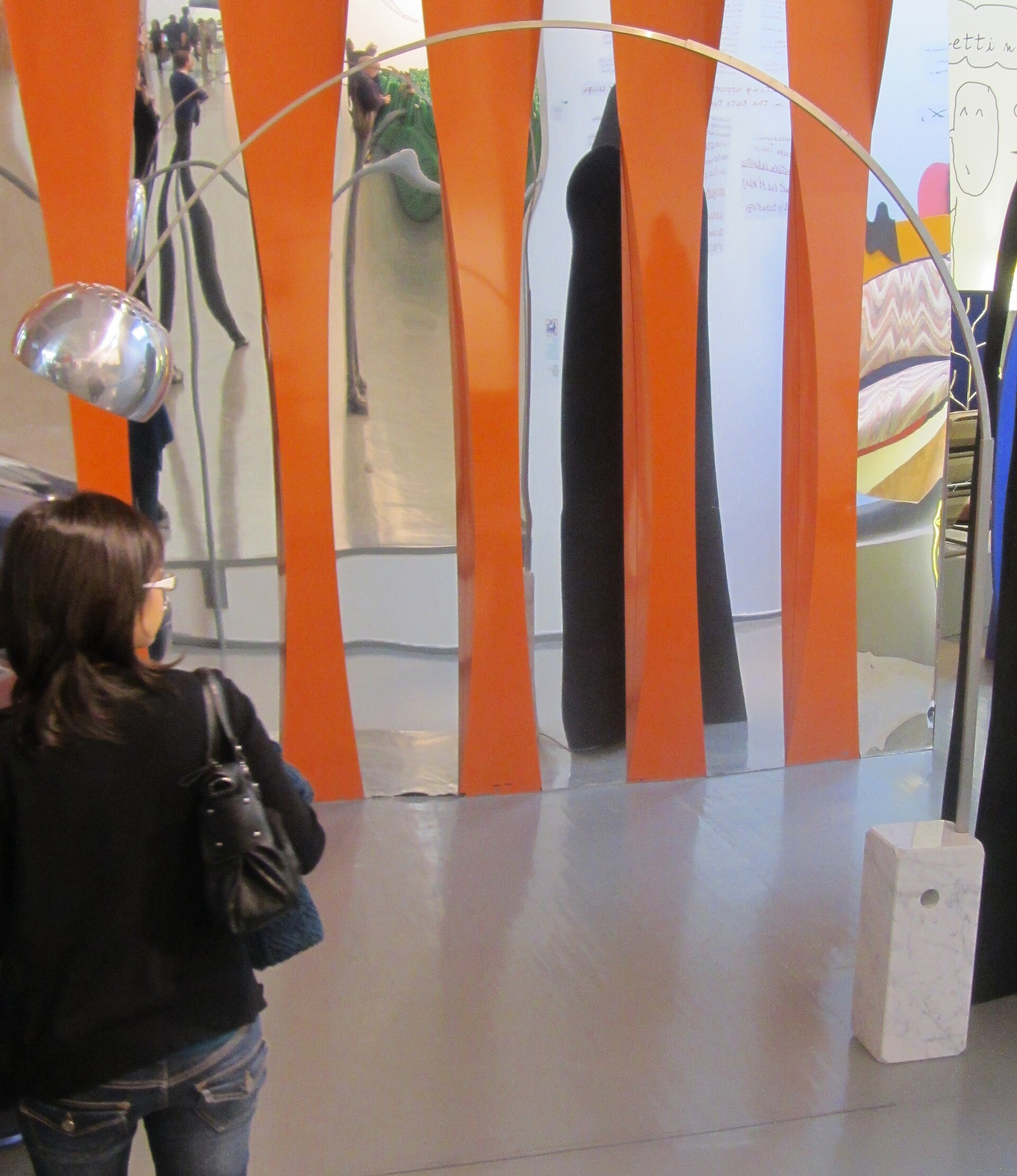
Achille Castiglioni, working with his brother Pier Giacomo, asked why a useful light should require a cable from the ceiling. The Arco lamp answered through reach and balance: it projects light over a table while standing elsewhere. Its theatrical shape comes from a practical proposition about a room.
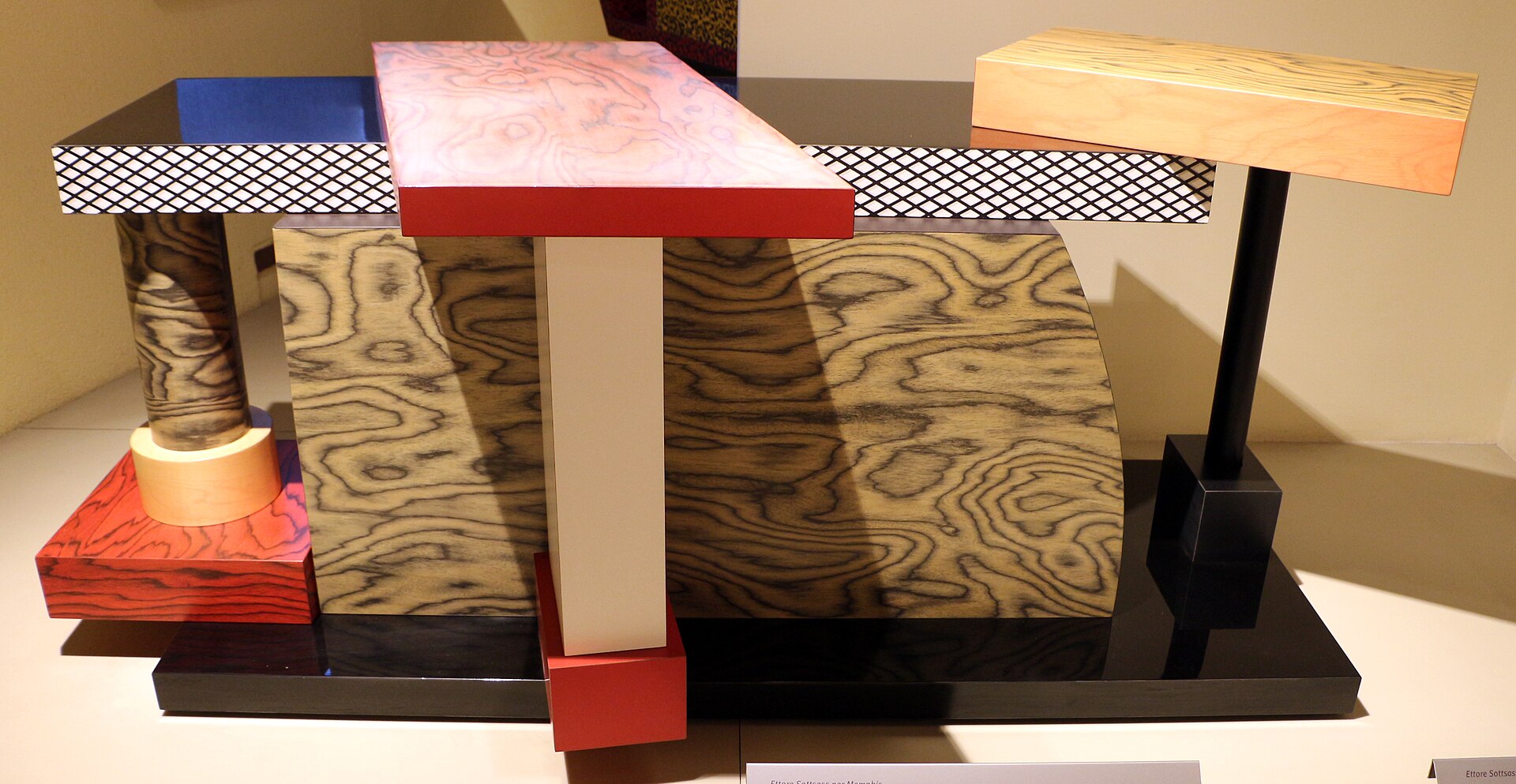
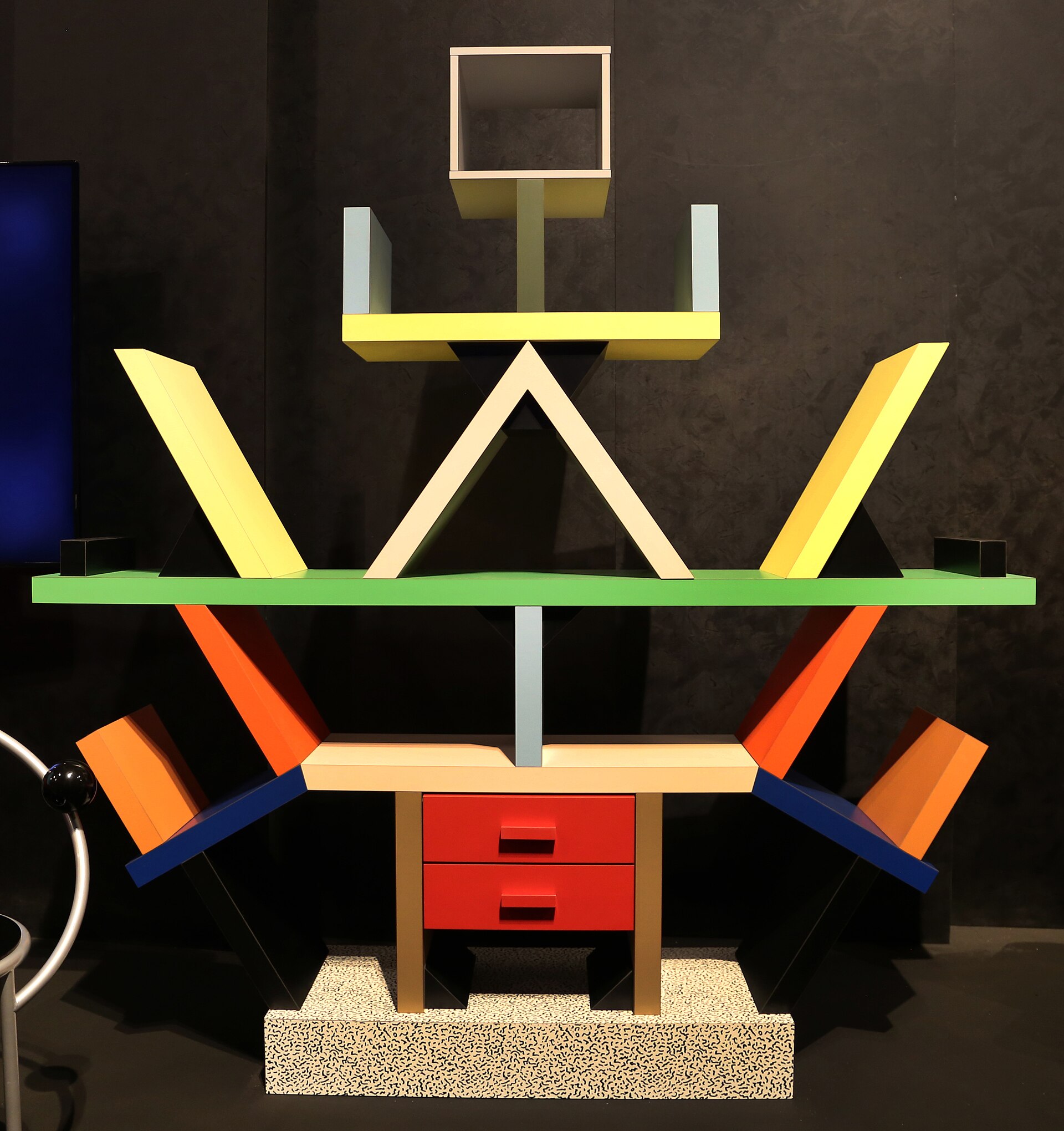
Ettore Sottsass asked whether objects had to behave politely. With Barbara Radice, he founded Memphis in Milan in 1980. Its pieces used colour and form to make the object’s personality impossible to ignore. Some people love that challenge; others would not bring it home. Either response is more interesting than treating the work as a style label.
This is not a ranking of the three “best” designers. They worked in different contexts and their achievements cannot be reduced to one object or movement. They simply offer three ways into a richer conversation: who gets to encounter design, how an object changes a habit, and how much character a home can hold.
Ponti also complicates a familiar idea of authorship. An award that brings design into public view changes the setting in which people encounter objects. Castiglioni's lamp shows another kind of influence: it invites us to notice the practical nuisance that preceded an elegant form. Memphis goes further by refusing the idea that usefulness should make an object visually obedient. These are not three stops on a ladder from “good” to “better” design. They are three different kinds of cultural intervention.
Use the comparison when visiting a museum or choosing something for home. Do you remember the object because it solved a problem, because it altered public taste, or because it still makes you argue with it? The answer may explain why a piece from a different decade suddenly feels more contemporary than something newly made. A design's date is a fact. Its ability to change what you notice is a relationship that can continue.
The next time you see a famous Italian piece, try reading the room around it. Ask what ordinary assumption it changed when it first appeared. You may find that the most lasting part of the design is not its profile but the possibility it opened.