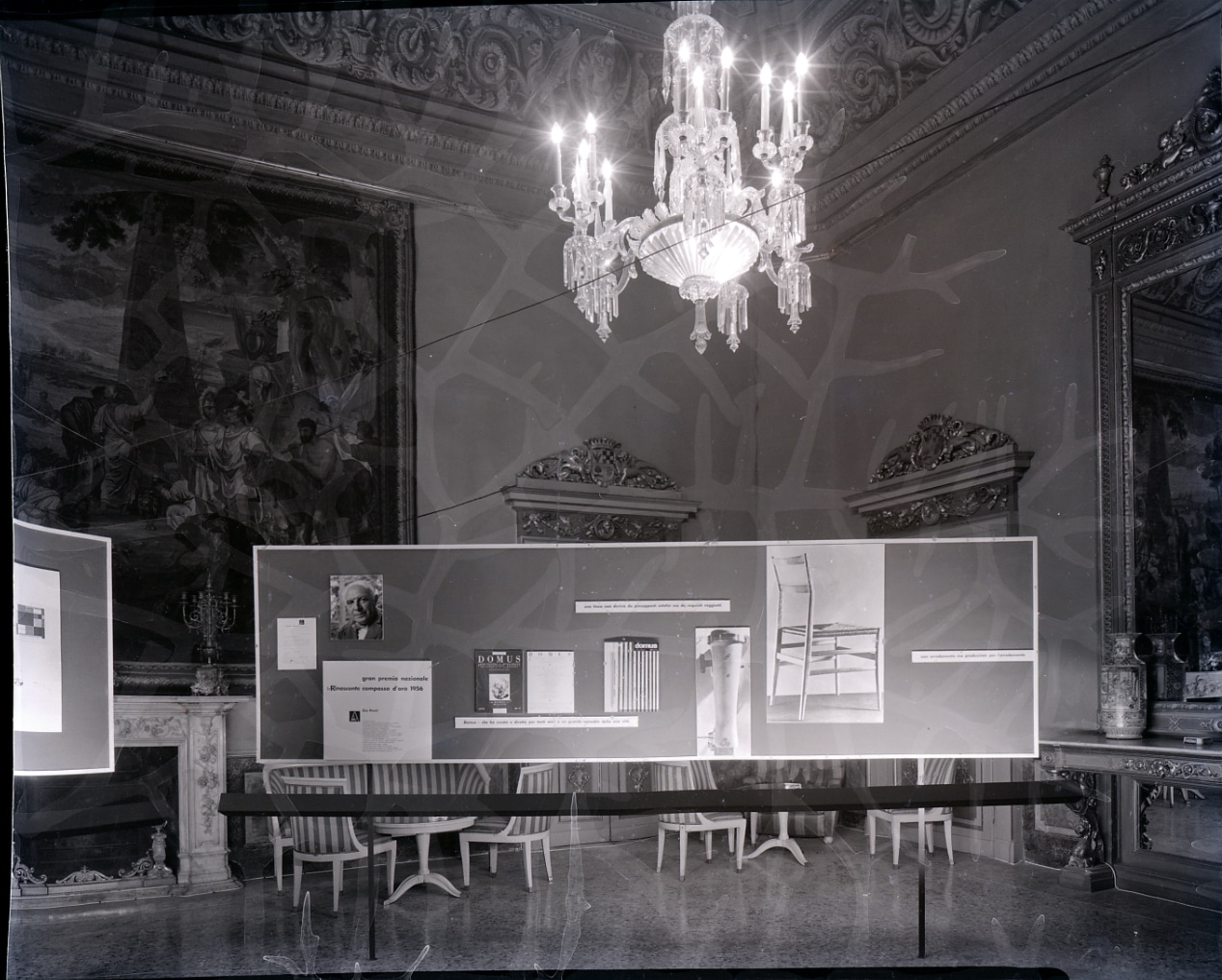
The same famous chair can appear in a museum, a current manufacturer’s catalogue, an auction listing and a shop offering a “design-inspired” version. The photograph may look similar. The relationship to the original design is not.
Start with the attribution. Who designed the object, and for whom? Is the listing for an authorised current production, a vintage example from an earlier production period, a later reissue or a reproduction? Those categories are not interchangeable. A vintage object has its own condition and history; an authorised new edition has the manufacturer’s current specifications; a reproduction may copy a recognisable outline while changing everything you would notice in use.
Ask for images of the exact object, including underside, joins, labels, marks and any documentation the seller has. Compare dimensions and materials with the relevant maker’s archive or current catalogue. A photograph of a stamp is evidence to investigate, not a verdict by itself. Marks can vary by year, and a confident claim needs a coherent story about manufacture and ownership.

Then turn the object around in your mind. Does it need a replacement part? Can the upholstery be repaired? Has a finish been altered? With a vintage purchase, condition may matter more to your daily life than the romance of the date. With a current piece, the question may be what warranty and service the authorised seller can actually provide.
For a buyer, it helps to make a small evidence file before deciding. Save the listing, the seller's description and photographs of the actual piece. Write down what the seller knows directly, what a document supports and what remains an attribution. If the object is being offered as a particular edition, compare it with the producer's own archive where one exists. Dimensions, materials and construction may reveal more than a label photographed without context.
This discipline also protects the pleasure of buying vintage. A repair does not necessarily make a chair undesirable; it may make the chair usable. A changed finish, however, should be described honestly because it changes both appearance and historical condition. Ask what you would still love about the piece if its date were less romantic than the listing suggests. If the answer is its proportion, comfort and presence, you have learned something valuable about your choice.
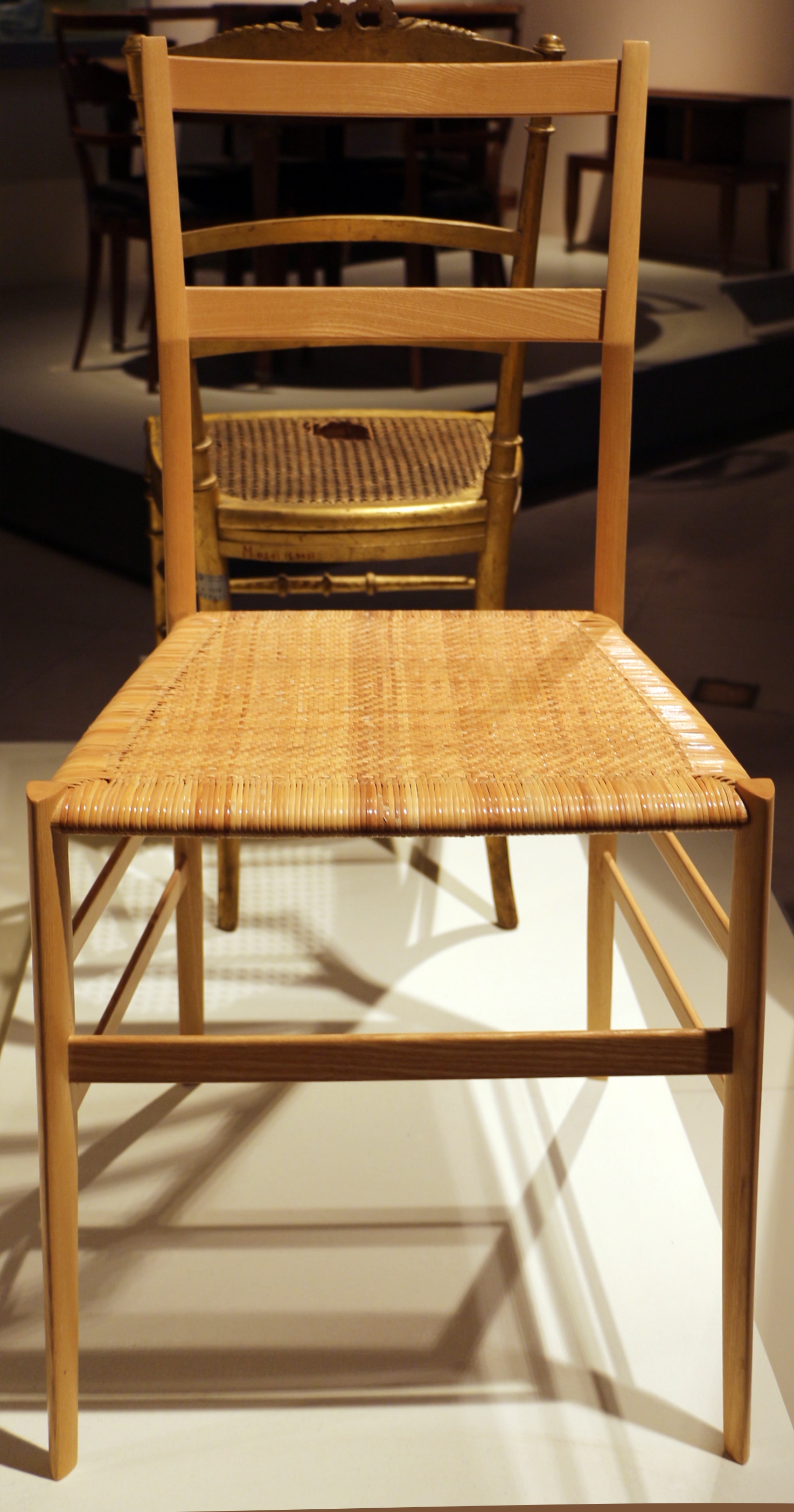
The point is not to turn every purchase into an authentication drama. It is to know whether you are paying for an idea, a specific production history, a condition, or only a familiar silhouette. The more clearly the seller can answer, the easier it becomes to choose on your own terms.