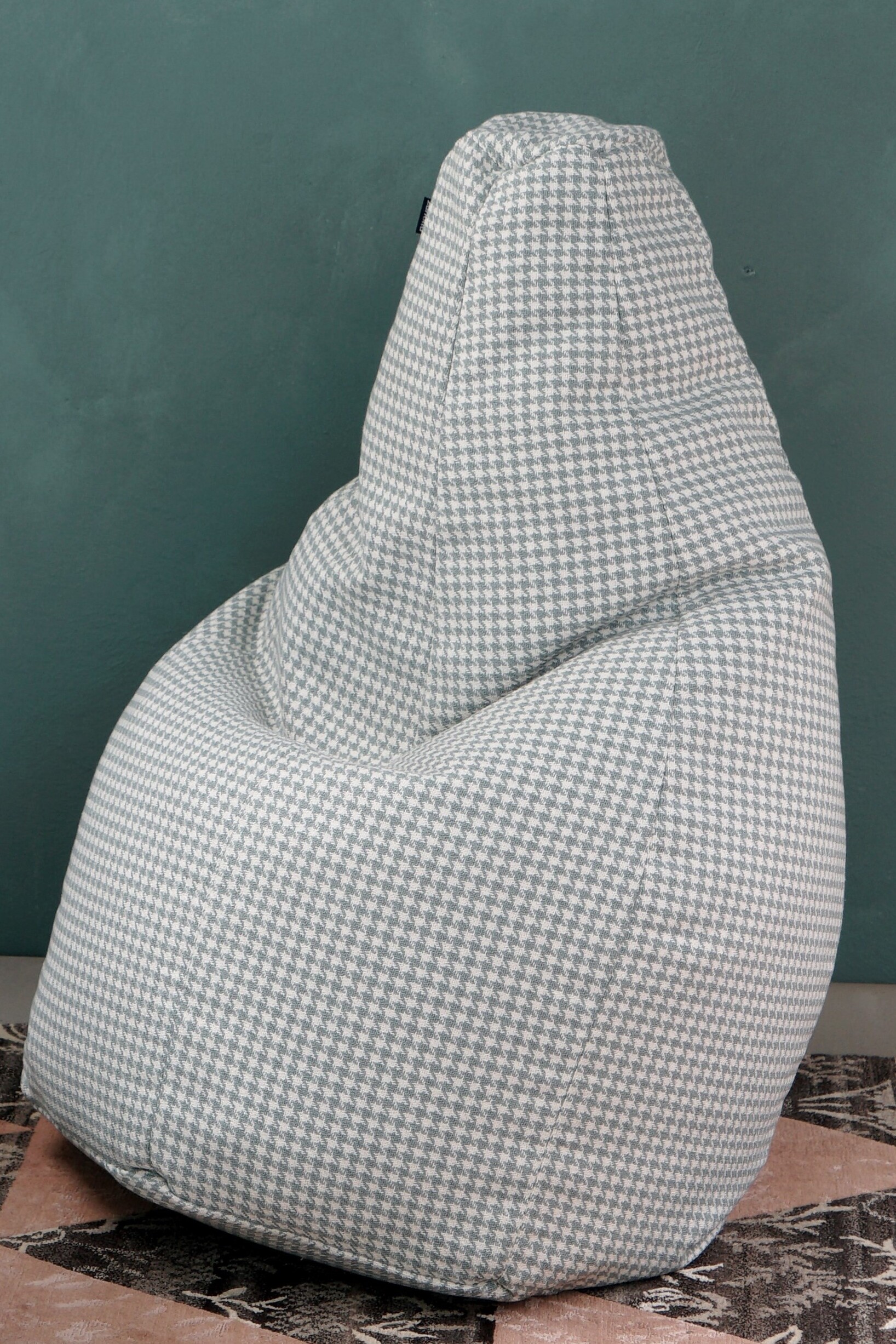
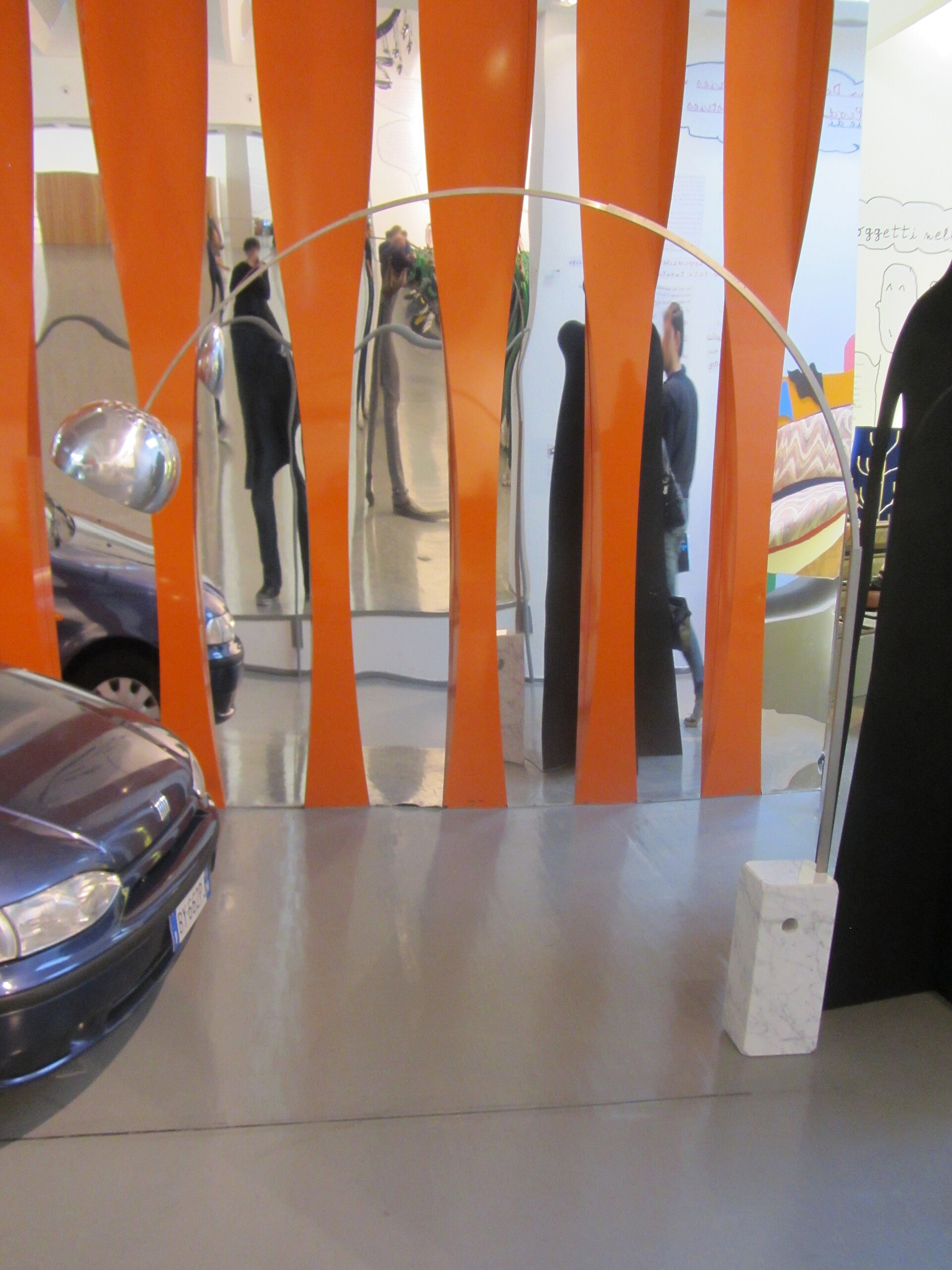
The Arco lamp crosses a room to place light where the ceiling cannot. The Sacco gives up the rigid chair entirely. Put them together and the idea of one recognisable “Italian style” begins to fall apart.
Italian design has moved through industry, experiment, domestic life and rebellion. The Museo del Design Italiano at Triennale Milano presents roughly 400 objects from the 1920s to the 2000s. A chronological visit makes one thing clear: there is no single silhouette that can hold a century of changing homes, technologies and tastes.
Consider the Arco lamp, designed by Pier Giacomo and Achille Castiglioni in 1962. Its long reach brings light over a table without hanging the light from the ceiling. The form follows a very particular spatial problem. Then consider the Sacco, designed by Piero Gatti, Cesare Paolini and Franco Teodoro in 1968. Instead of asking the sitter to adopt a chair’s posture, it changes shape around the body. These objects did not become memorable because they matched a look. They proposed different ways to occupy a room.
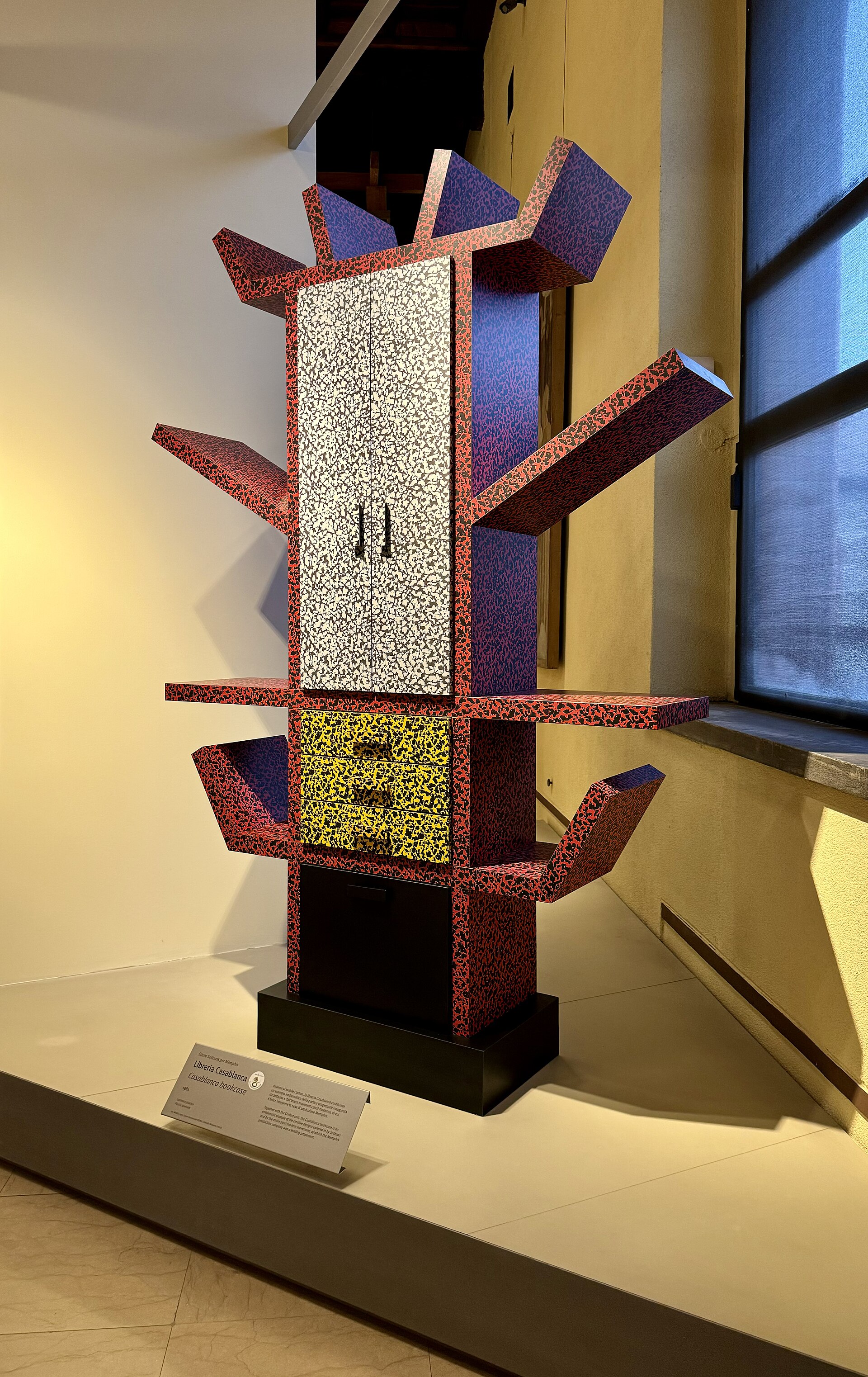
Later, the Memphis collective challenged another expectation. Founded in Milan in 1980 by Ettore Sottsass and Barbara Radice, it brought daring colours, synthetic materials and symbolic forms into design. A Memphis object may be impossible to mistake for a Castiglioni lamp. Both insist that an object can carry an idea, not merely perform a task.
The collection at Triennale is useful precisely because it resists a single answer. Seen in sequence, an object becomes a reply to the domestic assumptions of its moment. A chair can rearrange posture; a light can alter the relation between furniture and architecture; a cabinet can make decoration impossible to ignore. The history is not a parade of forms. It is a record of changing expectations about how a home should work and how much personality an object is allowed to have.
That distinction matters when someone searches for “Italian-style” furniture. The phrase may bring up a visual shorthand, but it is a poor brief for choosing a piece. Ask instead whether you are drawn to industrial ingenuity, radical colour, careful understatement or a material handled in a way you had not imagined. These are different tastes, and there is no need to make them agree. Italian design becomes more interesting when you stop asking it to present a uniform face.
For a home, the period printed on a museum label is less useful than the problem the object solved. Arco lets a table move without moving the wiring above it. Sacco lets a body settle without asking it to sit correctly. Their forms are memorable because their ideas still alter daily life.