Place a restrained Faenza white beside the changing metallic light of a lustreware piece from Deruta or Gualdo Tadino. The shared word “Italian” begins to feel wonderfully insufficient.
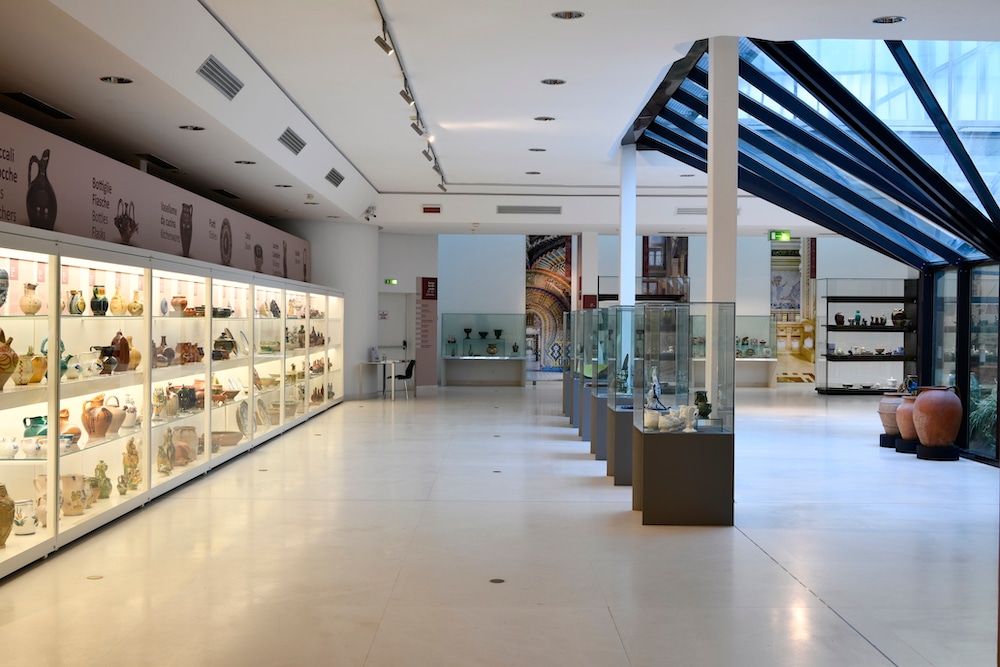
In Faenza, the International Museum of Ceramics traces forms and decoration from medieval production through Renaissance work. Its account of the pale, restrained “whites of Faenza” shows how a place can become associated with a visual language that travelled far beyond its borders. In Deruta, historic majolica includes painted surfaces and the changing shimmer of lustreware. In Gualdo Tadino, another local lustreware history opens a different conversation about gold and ruby reflections. Even three Umbrian and neighbouring stops refuse to become one look.
The useful response is not to memorise a map of “authentic” regional styles. Places change. Makers borrow, experiment and refuse inherited motifs. Ask instead what a particular object reveals: where was it designed and made; which technique is used; is its decoration tied to a local tradition, an individual invention, or both?
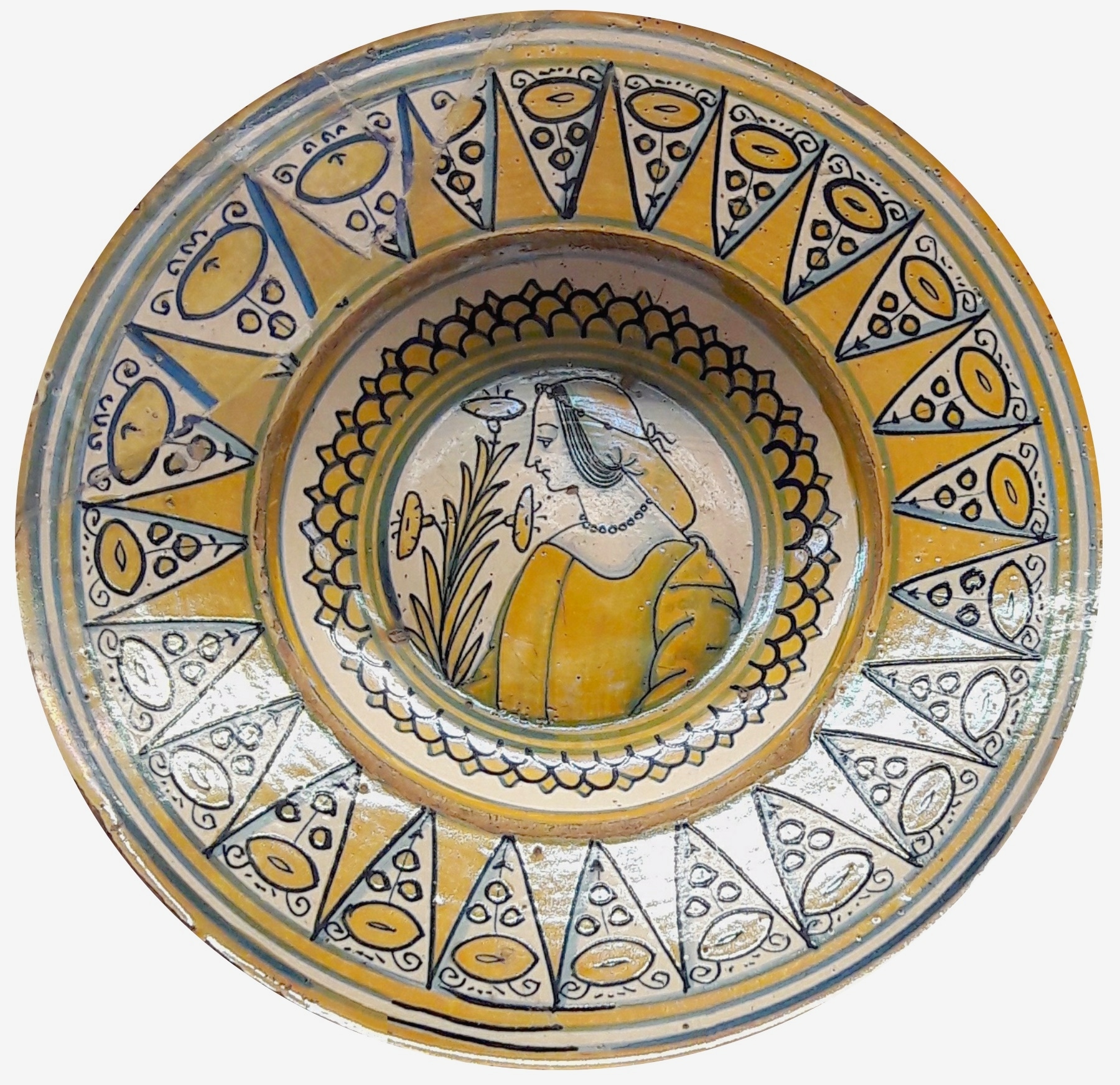
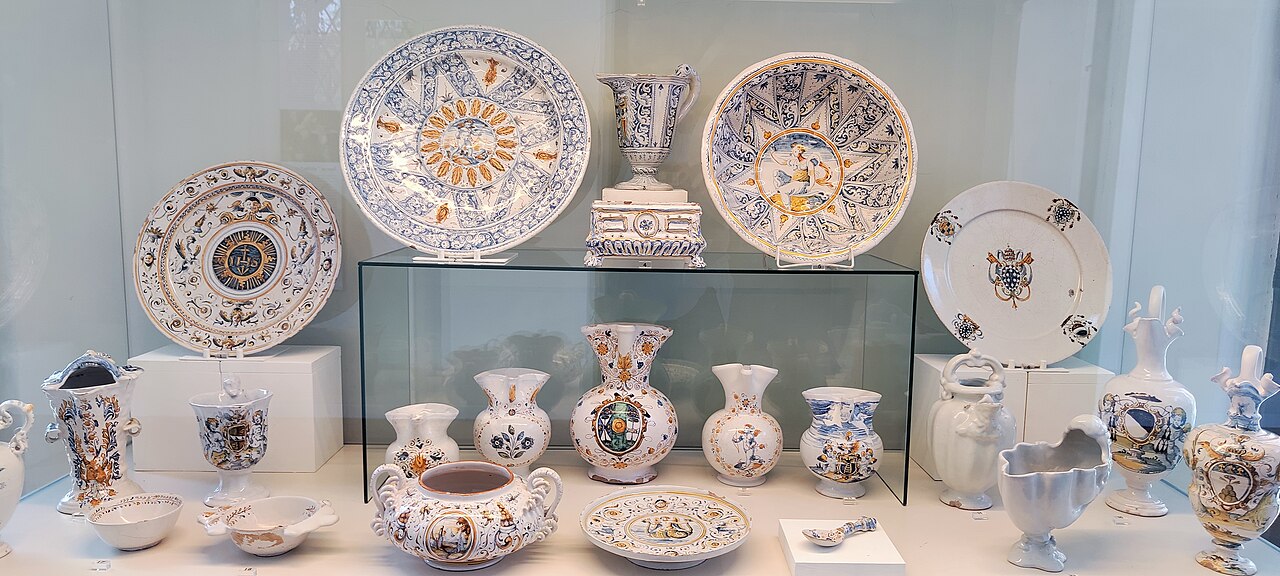
A serving bowl and a wall plate can come from the same town yet ask very different things of the maker. One must meet food, hands and washing. The other can give a surface to an image that would be impractical at dinner. To understand the object, learn its intended life as well as its place of origin.
The difference also appears in how a piece is used. A painted plate, a vessel intended for food and a sculptural wall work may share a town and a material without sharing the same standards of care. Food contact, washing and heat need explicit product information. A museum object offers historical context; it cannot certify a contemporary bowl on a shop shelf. Looking closely means keeping those questions distinct.
For a home, this variety is liberating. You need not buy a reproduction of a Renaissance motif to bring a ceramic object from Italy into your life. You might be moved by a maker who uses inherited techniques for a form that has no obvious predecessor, or by a modest everyday object whose proportions are unusually good. The regional story can deepen the relationship, provided it does not replace the maker's present-day authorship.
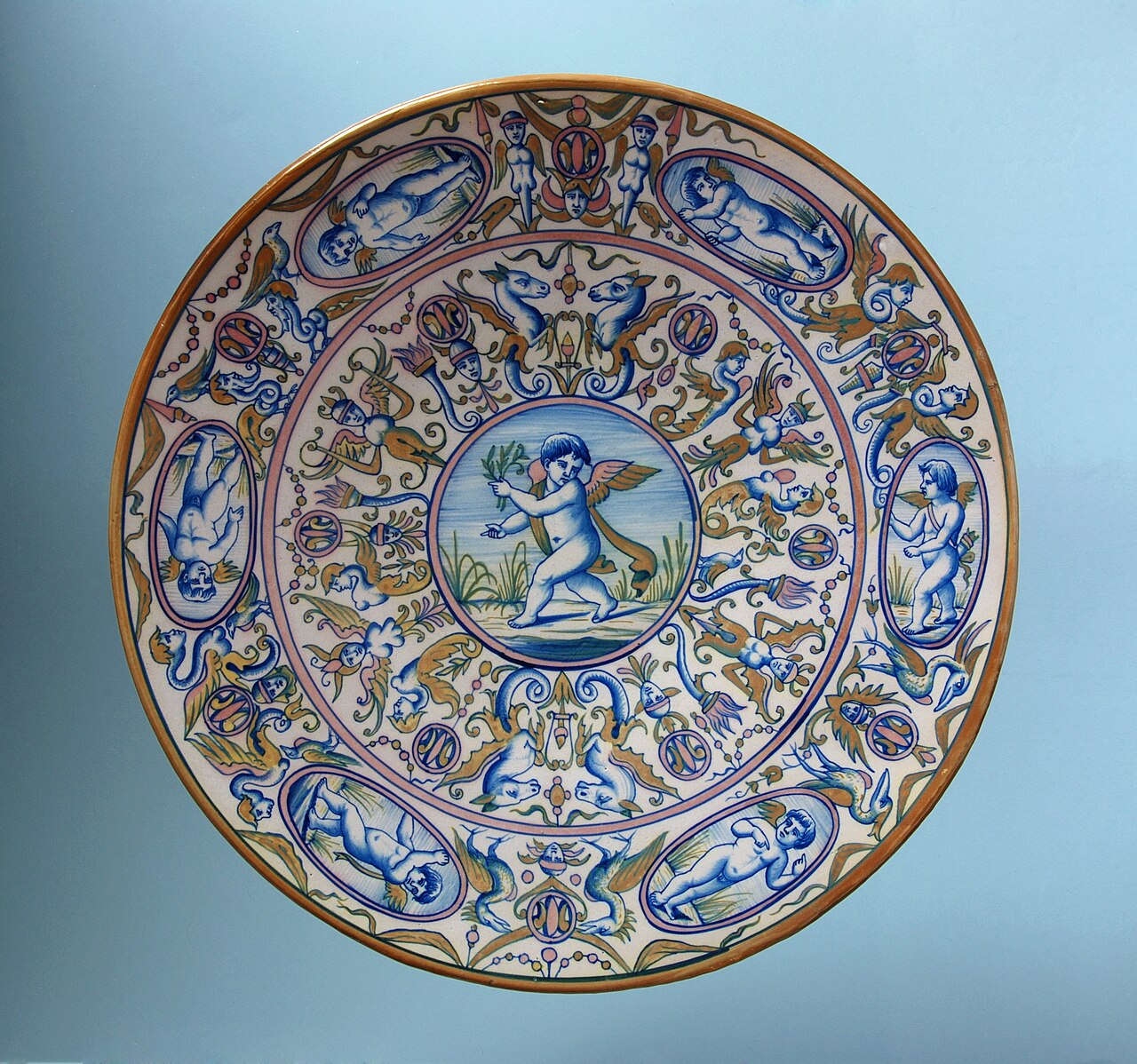
In a shop or studio, begin with one piece rather than a regional label. Turn it over. Ask what it was made to do, and how this maker arrived at its surface. The answer may belong partly to the town and partly to a person who refuses to repeat it.