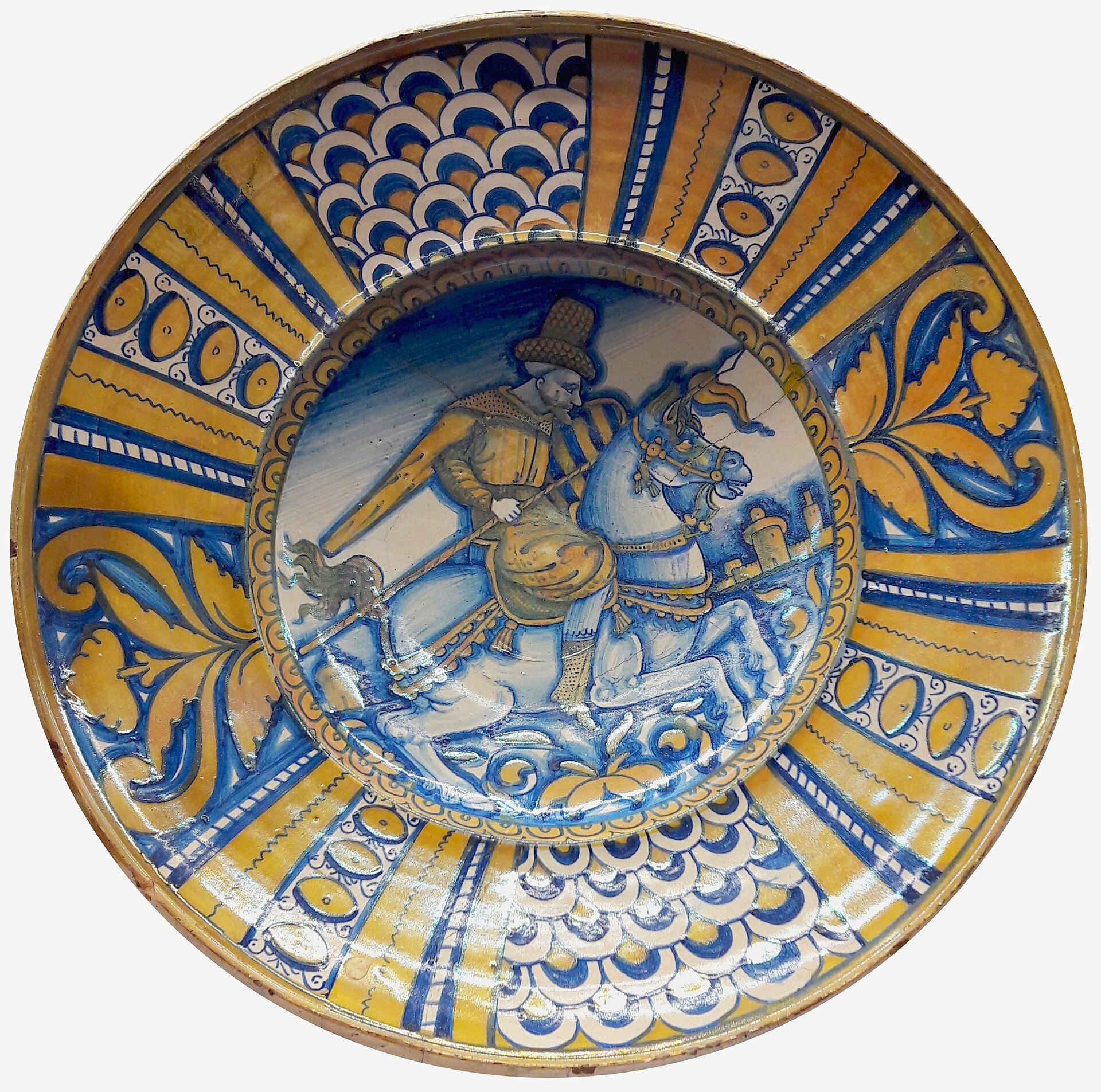
A painted plate can announce Deruta before you know who made it. The familiar colour or pattern is an invitation to look closer, not a complete account of the work.
The regional tourism board traces Deruta’s ceramic production to medieval household wares and describes a flourishing of majolica in the Renaissance, including lustre that gave surfaces changing gold and ruby tones. In town, the ceramics museum brings centuries of work together. That historical context is useful, but it cannot tell you everything about the contemporary object in your hands.
Begin with its form. Is the vessel meant to be held, served from, hung or simply contemplated? Turn to the painting: does the surface follow a repeated design, an individual hand, a commissioned composition? Finally, ask about firing, care and intended use. A decorative plate is not automatically suitable for food because it resembles a dinner plate.
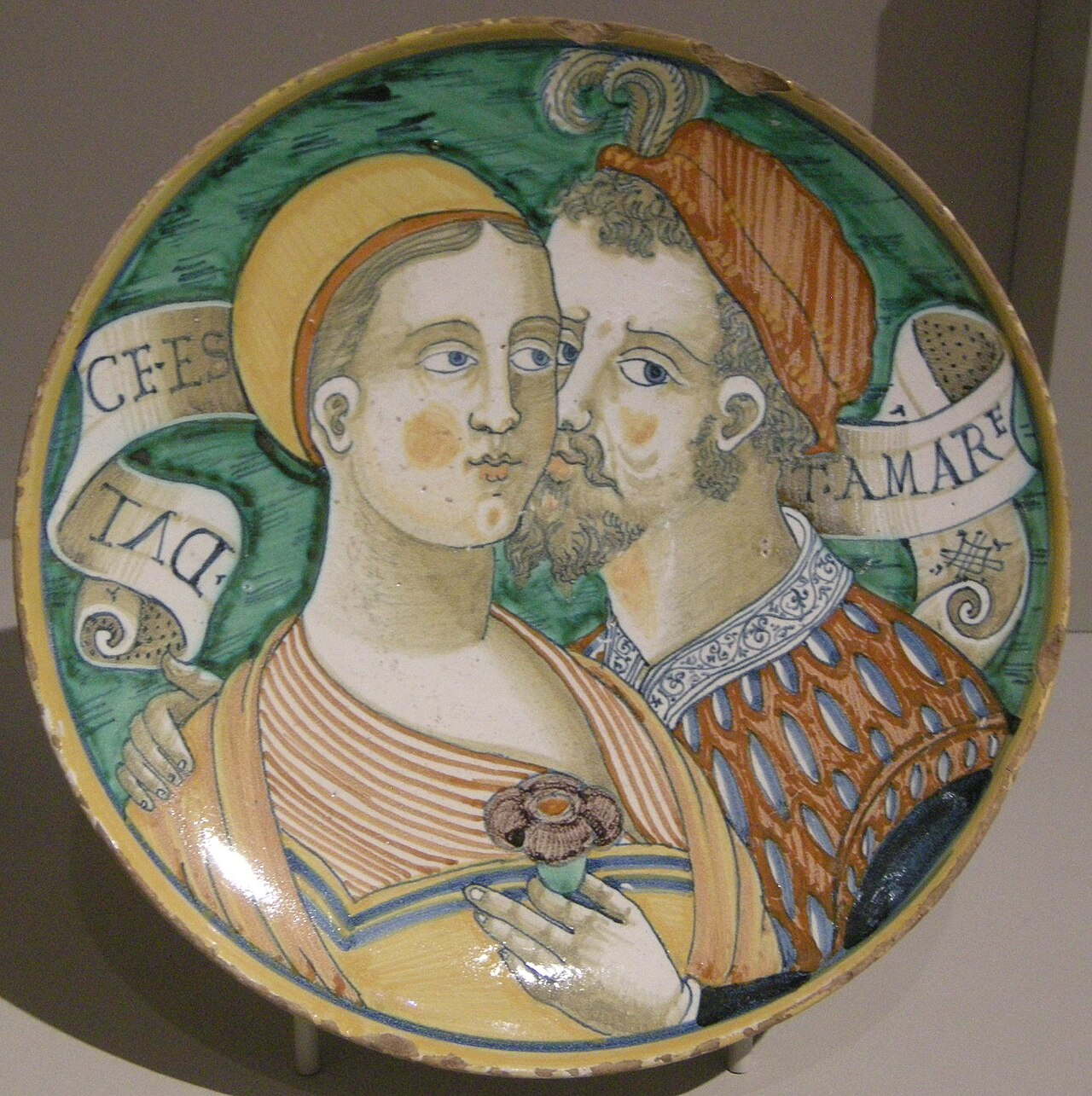
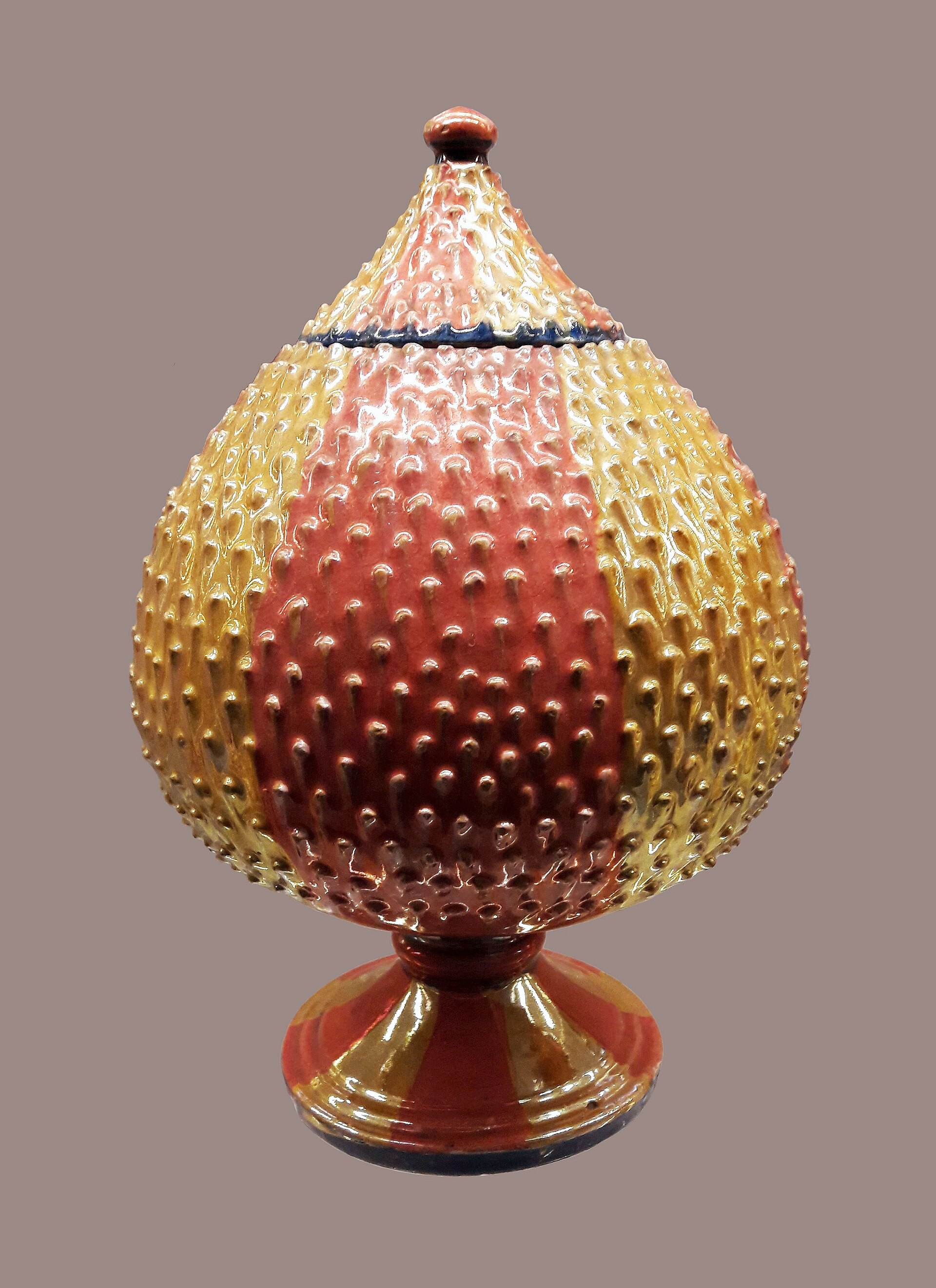
This way of looking makes room for both tradition and departure. A maker may work with inherited motifs; another may use the same place and knowledge to make something less recognisable as “Deruta”. Neither should have to fit a tourist’s idea of the town to be worth understanding.
If you are choosing a piece for your home, take a photograph of the space and its light. Bring measurements of the table or wall. Ask for photographs of the exact object, including its reverse, and for clear care instructions.
If an atelier offers a commission, ask which parts of the work can genuinely be adapted. The answers will tell you whether the piece belongs in your daily life or whether you are drawn to it as an artwork. Both are good reasons, provided you know which one is yours.
The museum and the workshop offer different evidence. The museum can show how decoration and form changed across centuries. A living maker can explain why a line is painted in a certain order, why a particular size works, or why a customer request would compromise the piece. Neither voice should be asked to stand in for the other. When a town is famous for a visual tradition, contemporary decisions are easy to overlook because visitors think they already recognise the result.
Before buying, distinguish a piece made in Deruta from a piece merely decorated in a Deruta style. A clear description should tell you where the object was made, who made it where known, and whether the photograph shows the exact work on offer. Those questions do not diminish the charm of discovery. They let the person who made the object become visible behind the place name.
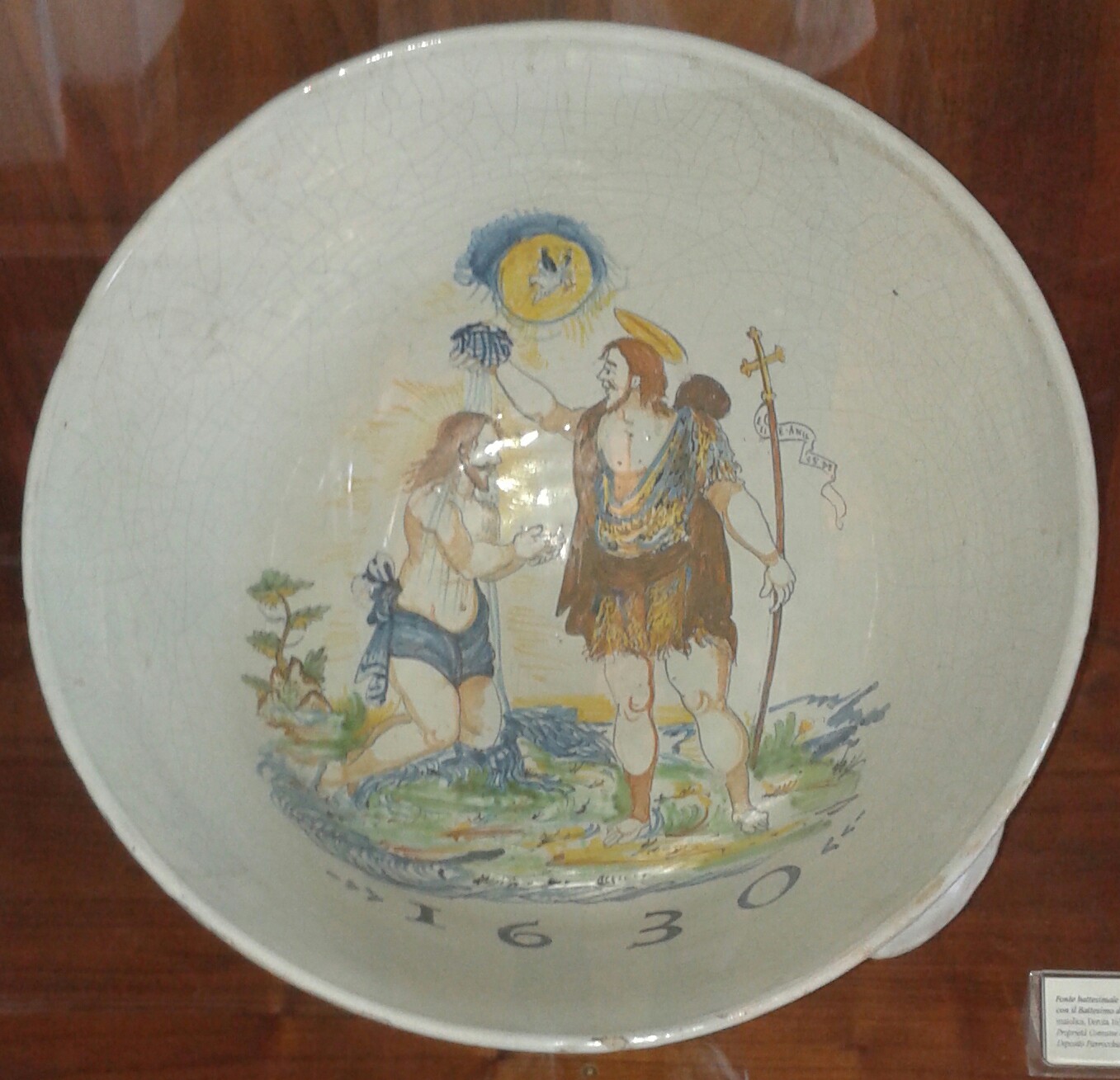
The reverse of a plate, its intended use and the maker's explanation may tell you more than its most photogenic side. That is where a familiar Deruta image becomes a particular object.