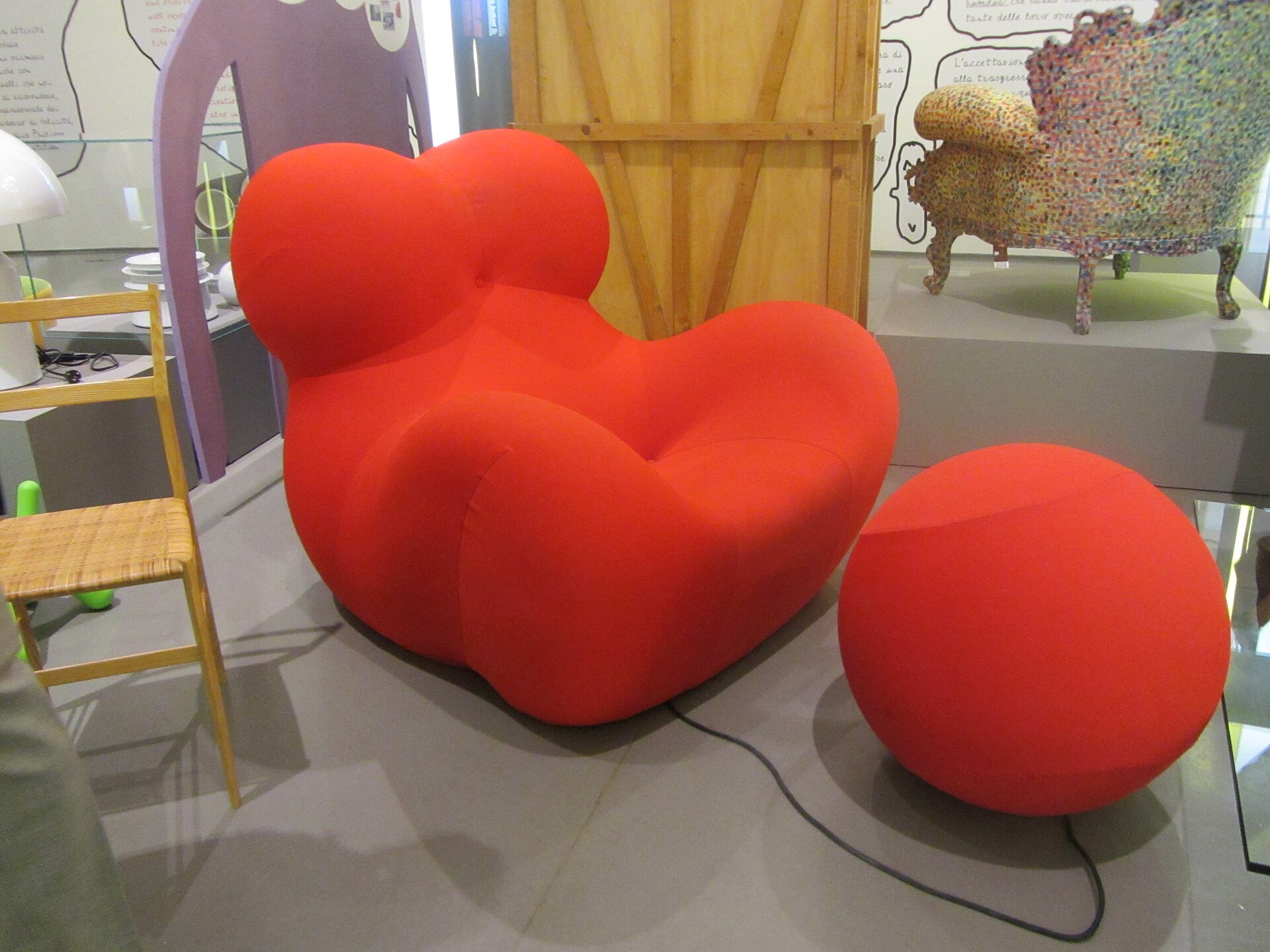
There is a version of Italian design that fits neatly on a museum wall. Then there is the work being made now by people whose names do not yet make a search box finish your sentence. Both deserve attention, but only one can tell you what a new generation is choosing to make.
Take three very different doors into that world. In Milan, Bracciodiferro describes its practice as self-produced, experimental design, with unique pieces and limited editions. In Florence, Castorina 1895 works through carved and finished wood, carrying techniques associated with Florentine cabinetmaking into furniture and objects. Near Perugia, Domiziani works with volcanic stone and ceramics, combining hand processes with semi-industrial ones. These are not three versions of the same “Italian style”. One begins with provocation, another with carving, another with the possibilities of a material.
That difference is a more useful way to search. Begin with what you want an object to do in a room. Should it interrupt the expected composition? Reward someone who comes close enough to notice a detail? Hold up to daily use outdoors? Then look at the decisions behind the object: who drew it, who makes it, what can change, and what cannot.
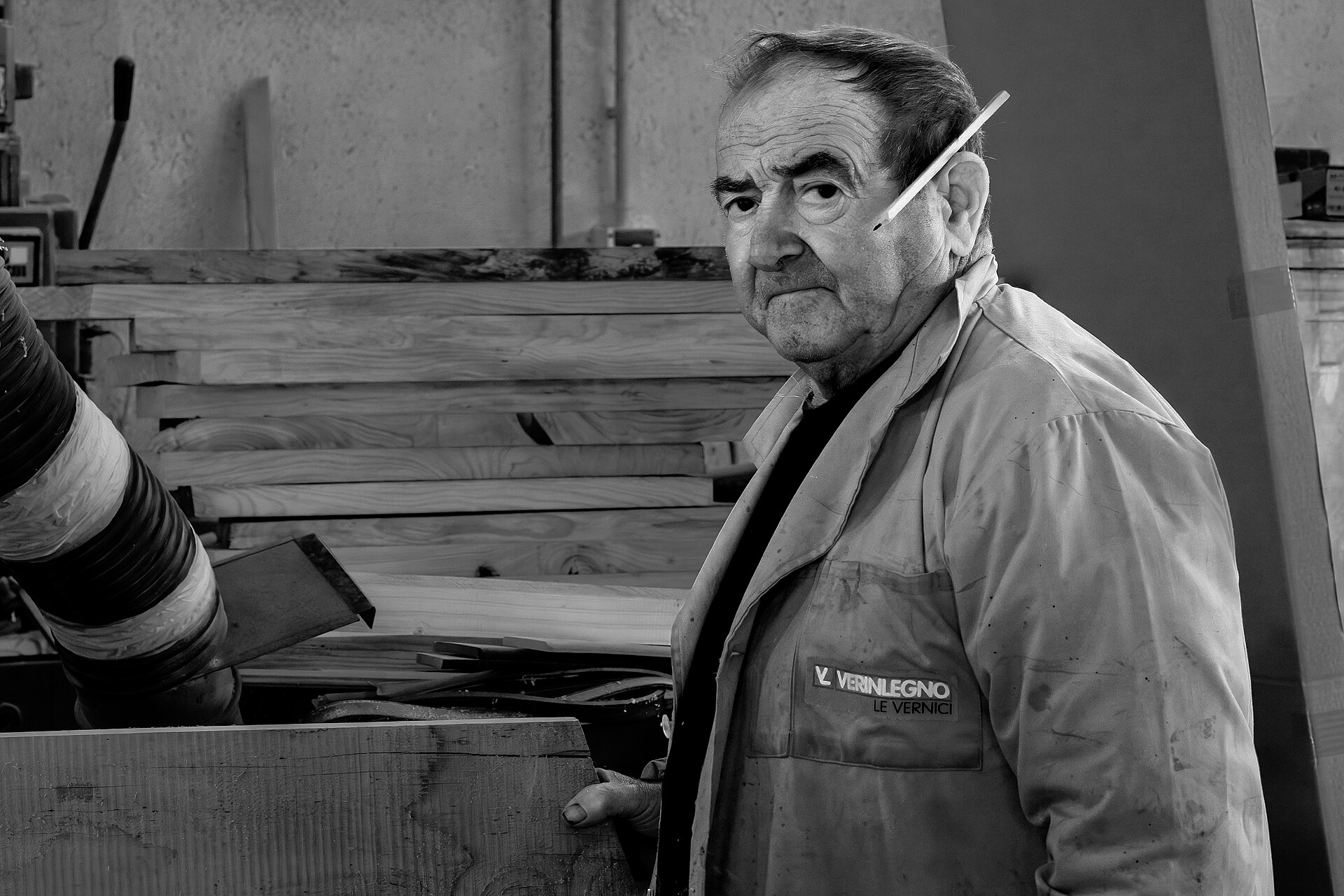
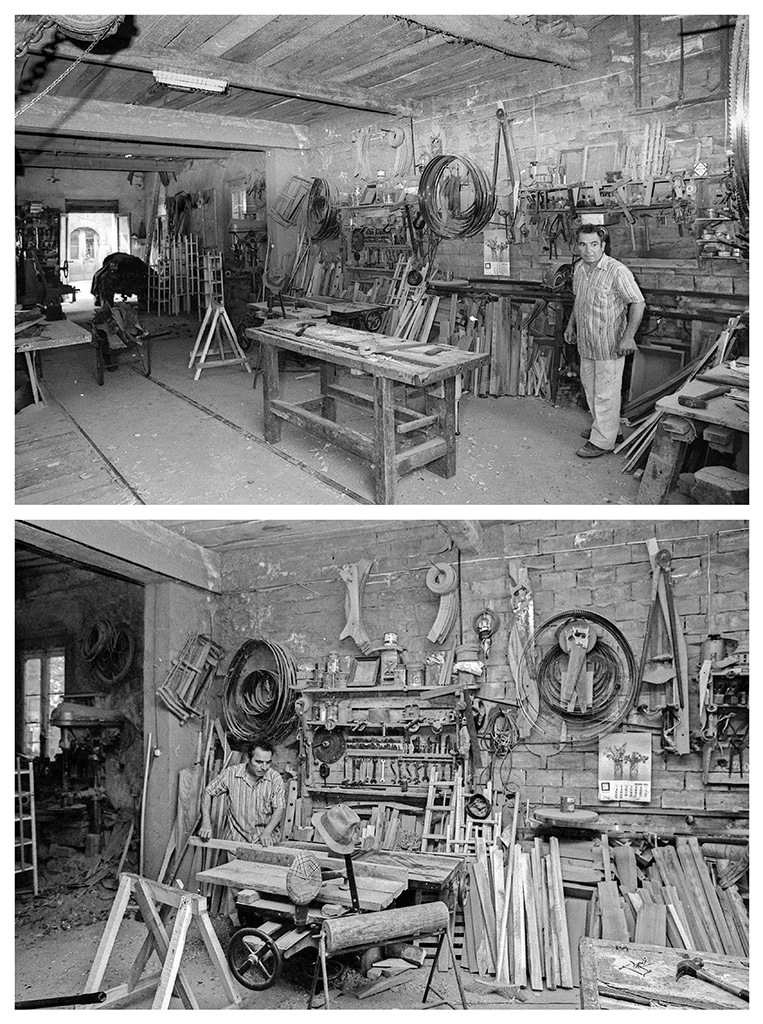
A distinctive brand is not automatically the right brand for you. An unusual shape can become tiring; a quiet piece can become indispensable. See the work beyond its most dramatic photograph. Find its dimensions, materials, intended use and care. If the company names a workshop, ask what happens there rather than treating the workshop image as proof of every claim.
A useful first visit to any of these makers' websites is therefore not a search for a signature piece. Open the page that explains how the work is made, then return to the object that caught your eye. Does the process account for what makes that piece distinct? The carved edge of a cabinet, the treatment of a stone surface and the construction of an experimental seat are different answers to the same question: what has someone chosen to do that another maker would have left alone?
There is a second test after that: imagine the object at home in poor light, on an ordinary day, beside things you already own. A piece can be visually original and still have no natural place in your life. Conversely, a quiet object can keep rewarding attention because its proportions, finish and use have been thought through. Originality is most convincing when it survives the move from a carefully composed image to an inhabited room.
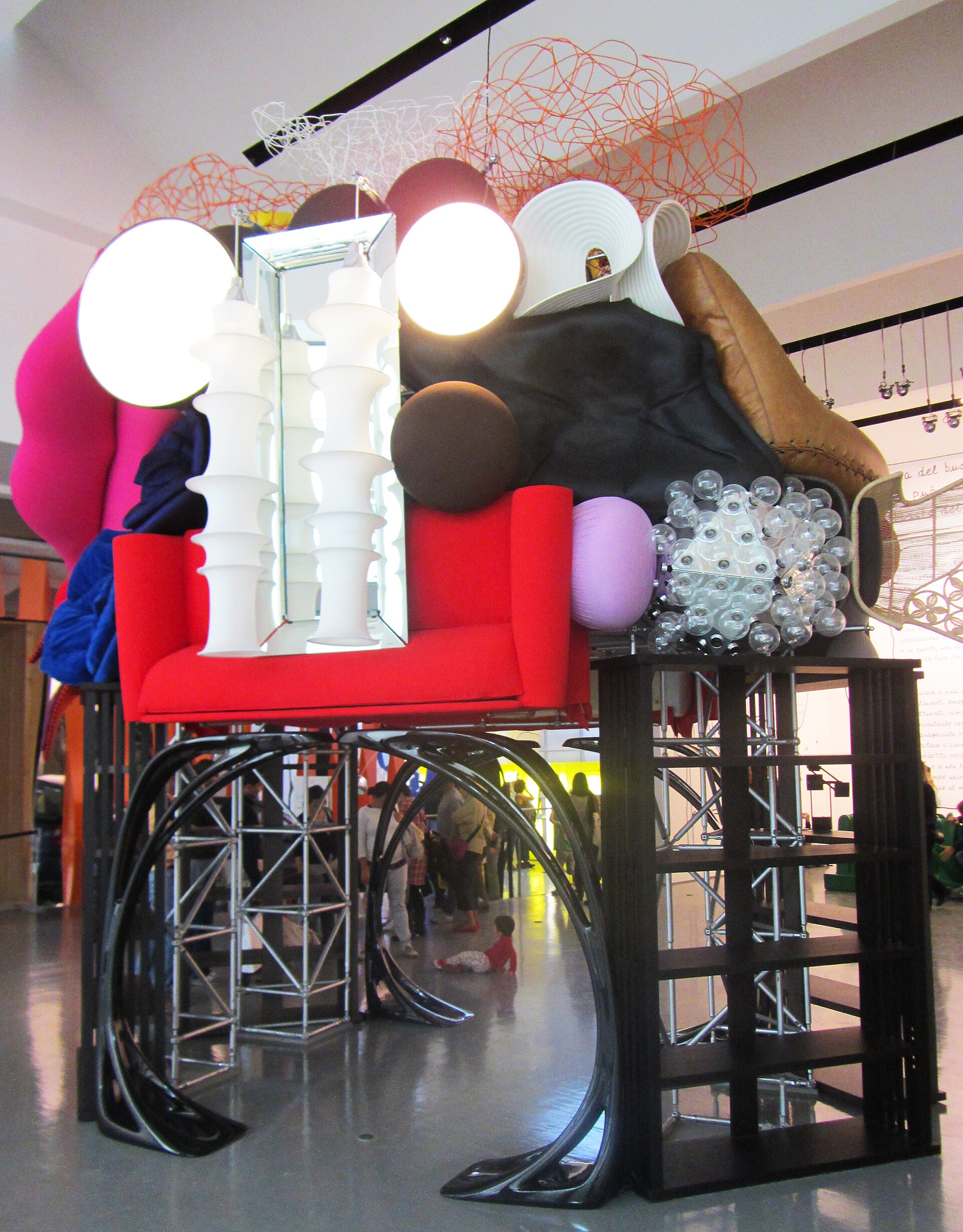
Look again at the three studios. Their work asks for different rooms, different habits and different buyers. The useful discovery is not a new list of names to memorise. It is the moment one particular point of view begins to make sense in your own home.