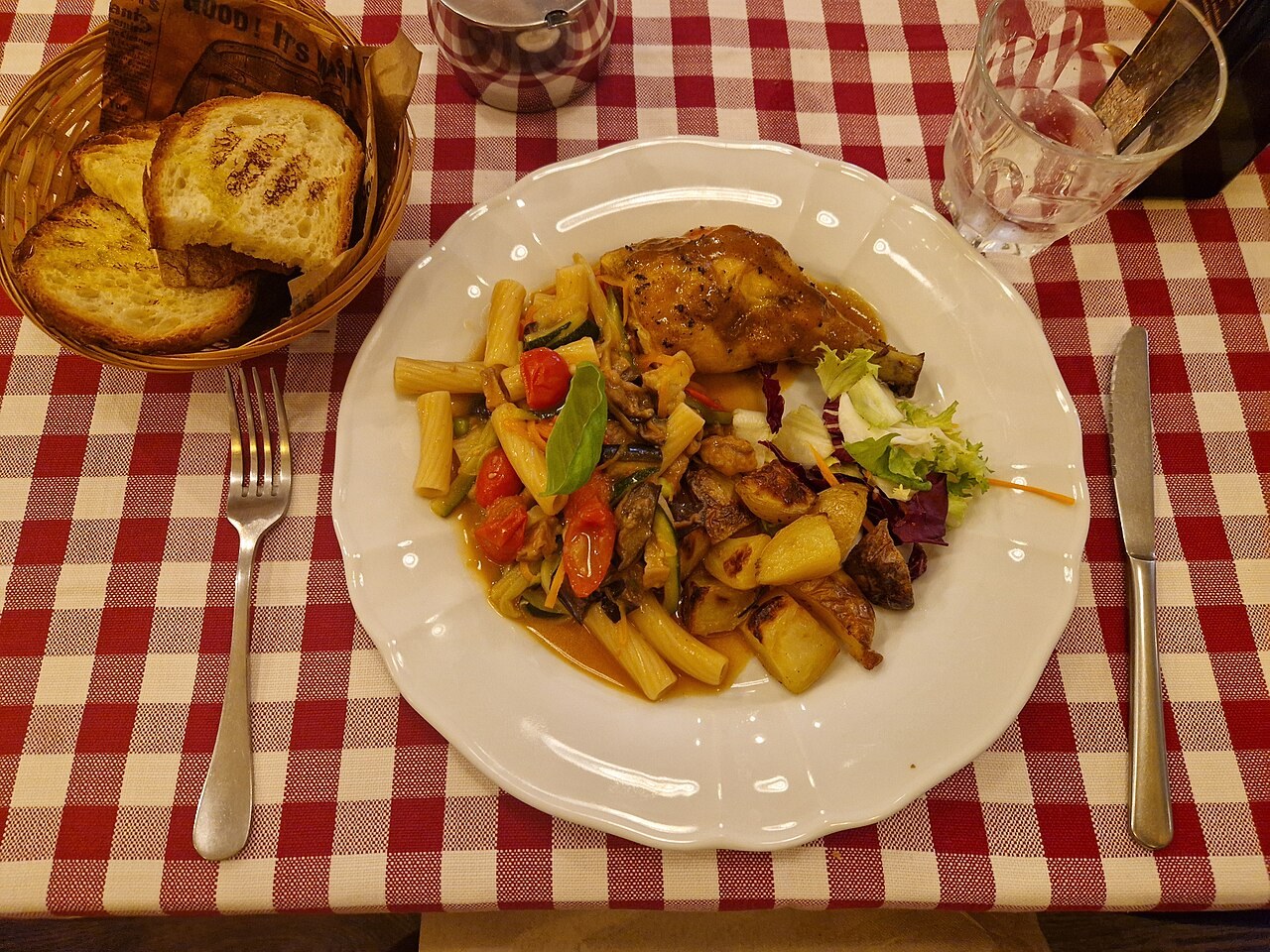
There are objects designed to be recognised from across an airport shop. Others make sense only after you have spent time with the place where they were made. The second kind is harder to find when you are travelling quickly.
Start with use. Would you like something for the table, your home, your wardrobe or the memory of a particular meeting? A bowl you reach for on weekdays can carry a journey more naturally than an object you bought because it seemed obligatory.
Then ask about origin with precision. Who designed it? Who made it? Where did each part of the work happen? A shop may sell excellent pieces from elsewhere; a local motif may appear on an industrial product. Neither fact is shameful, but the distinction should be clear enough for you to choose knowingly. A maker or informed seller can often explain why a particular material or form matters in that place.
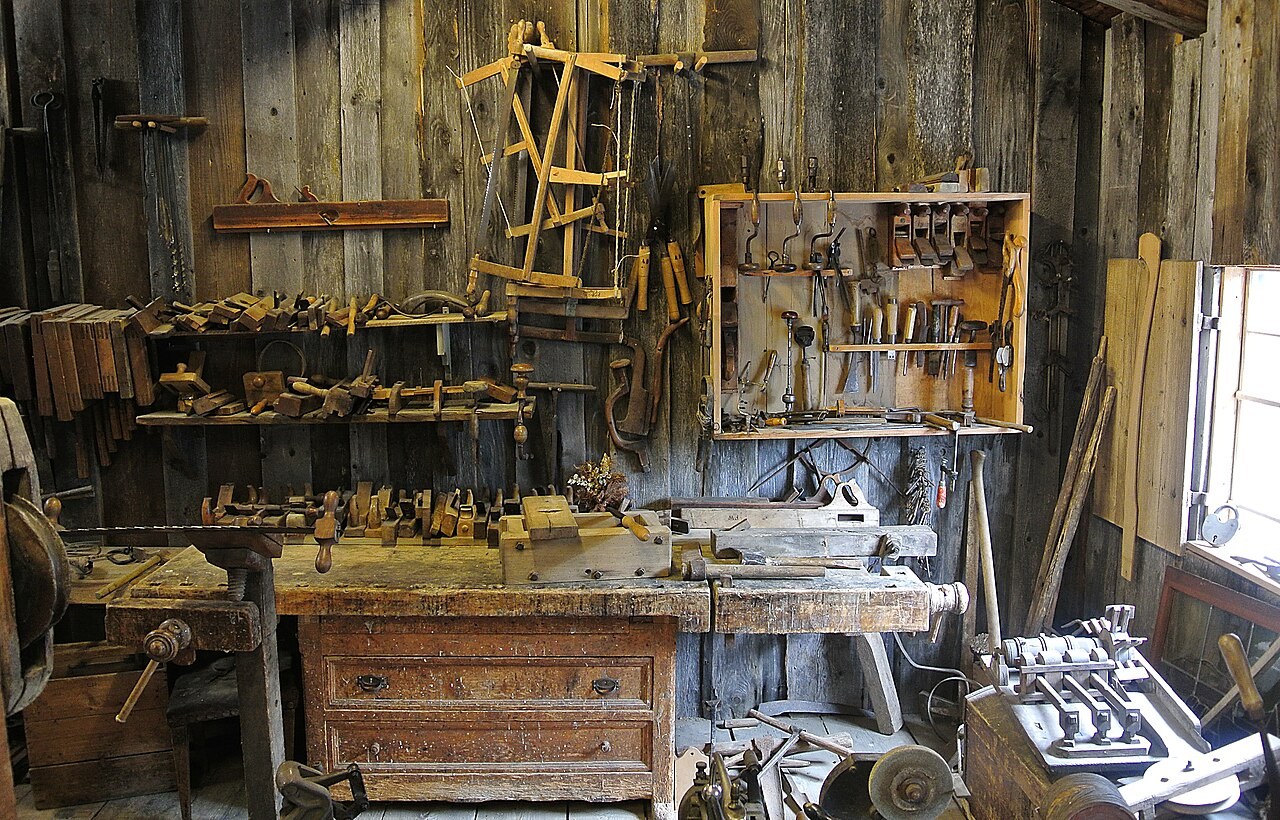
Check practicalities before becoming attached: size, fragility, care, transport and whether the exact item can travel with you. If it must be shipped, ask about packing, insurance and responsibility. The beautiful part of a purchase is diminished if the logistics remain a mystery until departure.
A meaningful object does not have to be large. Think about the hours when you will meet it at home: breakfast, dressing, writing, setting a table. That helps narrow a crowded shop more than an abstract desire for “something local”. If a piece was made nearby, the seller should be able to say by whom and where; if it came from elsewhere, knowing that can still leave it worth choosing. A place name is context, not an automatic certificate of authorship.
Leave room for the encounter to change the plan. You may arrive hoping for a painted plate and become more interested in a plain cup after learning how it is formed and used. Or you may leave with no object because the story was more compelling than anything you could carry. Neither result is a failed journey. The most durable souvenir is often the one you would have wanted even without the obligation to prove that you went.
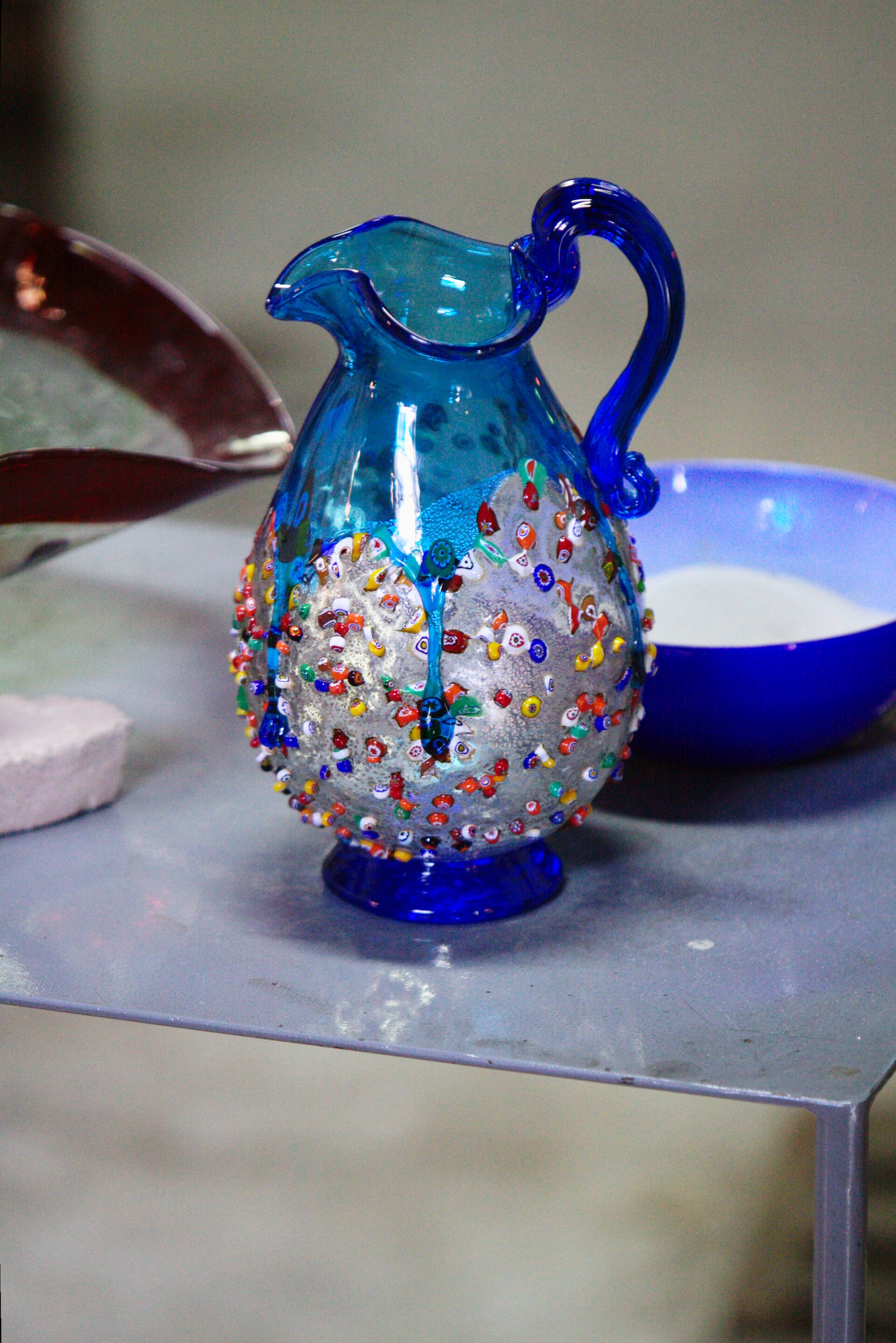
The best thing you bring back may be modest. It need not announce “Italy” to everyone who enters the room. It only needs to bring you back, through use, to an encounter you actually had.