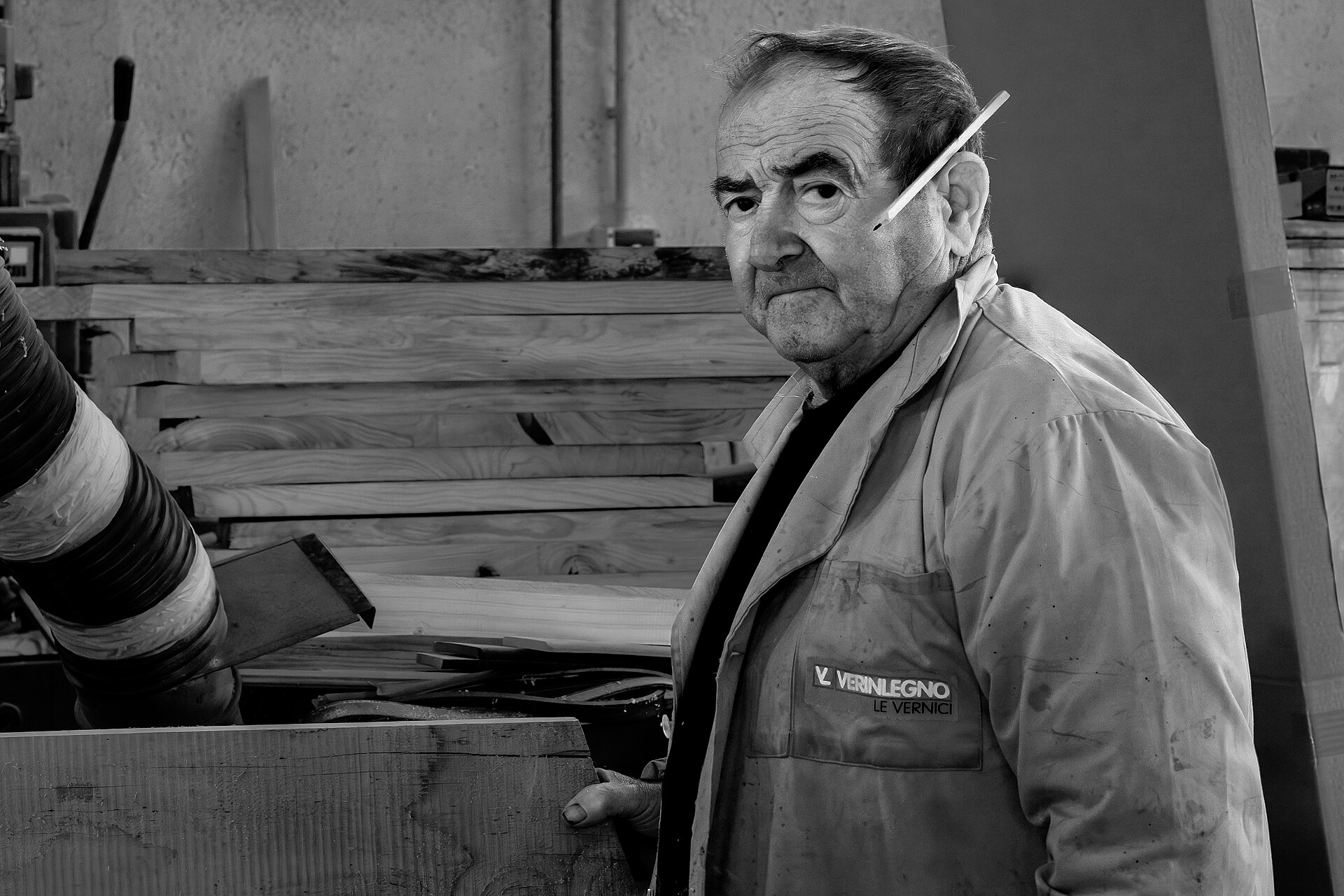
“I would like a custom piece” sounds like a clear request. To a maker, it may contain a hundred open questions.
Begin with what is fixed. A wall has measurements. A table has a height. An anniversary has a date. A person has a budget and a reason for wanting this particular work. Share these facts early. They give the maker something real to respond to.
Then describe what you hope to feel, without trying to draw the entire answer yourself. Perhaps the room needs warmth but not more visual weight. Perhaps the gift should recall a place without becoming a literal souvenir. A good commission can begin with an intention and become more precise through conversation.
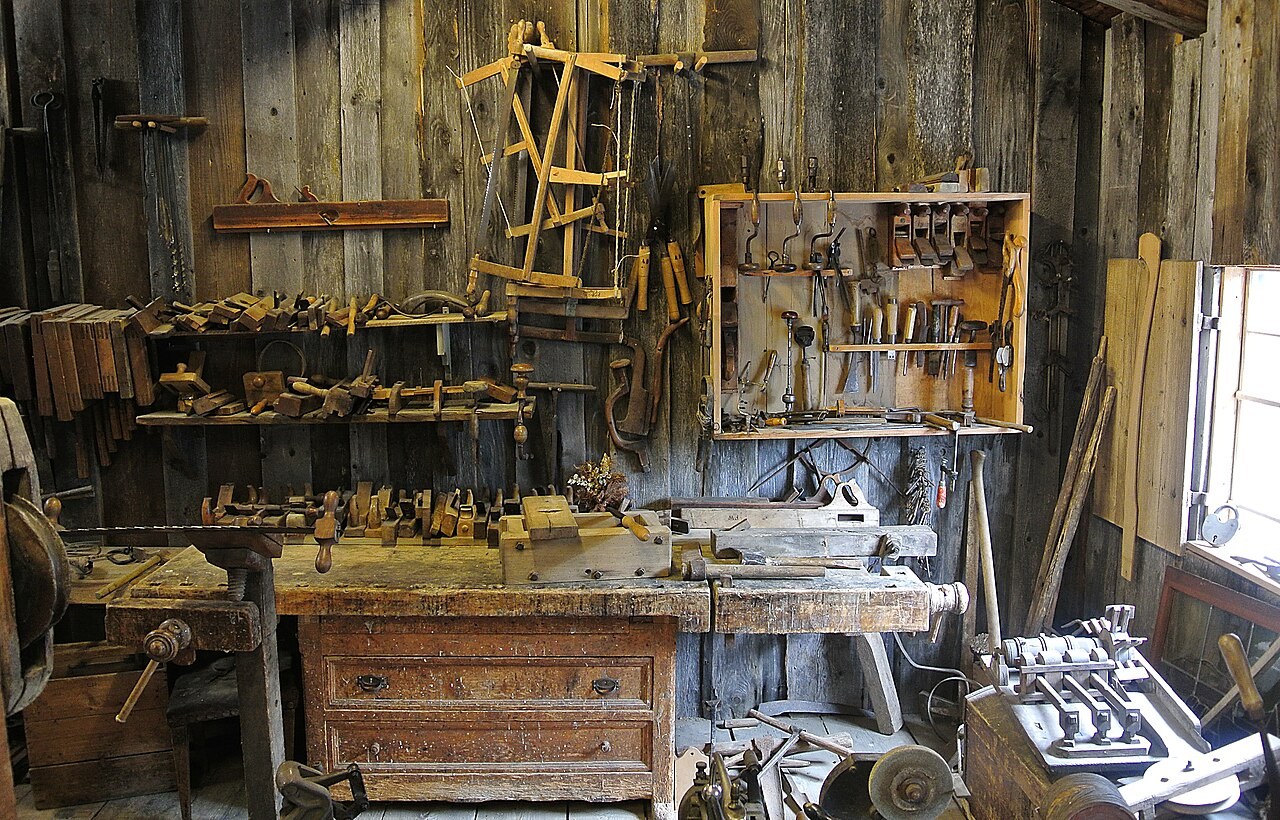
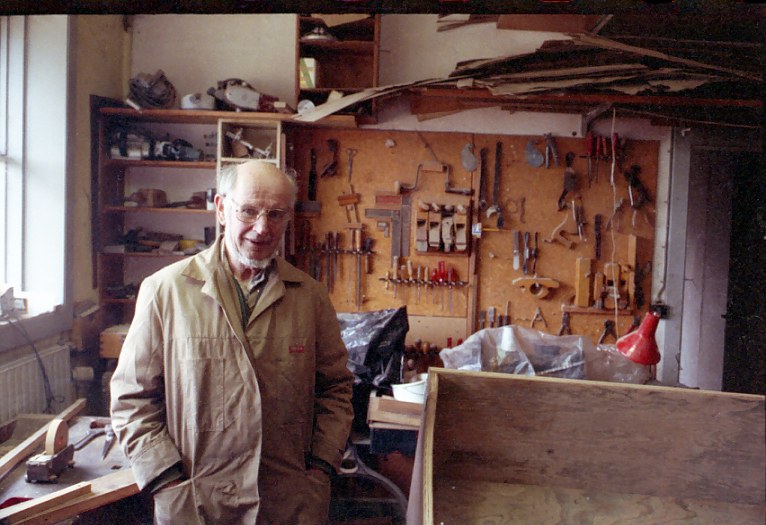
Ask what the maker actually offers. Can dimensions change? Can a glaze or fabric be chosen? Is the form fixed because changing it would compromise the work? What are the stages for drawings, samples, approval, payment and delivery? Who is responsible for installation or transport? “Bespoke” should not conceal practical limits.
Keep a written record of the agreed specification and what happens if something needs to change. This protects both sides. It also makes room for the maker’s judgment. You are not purchasing an unlimited series of revisions; you are inviting someone with a point of view to solve a problem with you.
There is a useful distinction between a brief and a prescription. A brief gives the maker the room, use, constraints and intention. A prescription dictates a solution before the maker can bring their knowledge to it. If you are commissioning a table, photographs of the space, dimensions of the room and the number of regular diners help. A drawing copied from another studio's work does not invite the same kind of collaboration, and it may ask the maker to abandon the language you came to them for.
Agree how decisions will be made. When will you see a sketch or sample? Which changes are included, and what would require a new quote? What does approval mean at each stage? These questions can make the relationship calmer, particularly when the final piece cannot be returned to a shelf. The pleasure of a commission is not unlimited choice. It is the possibility of seeing a skilled person's judgment meet a particular life.
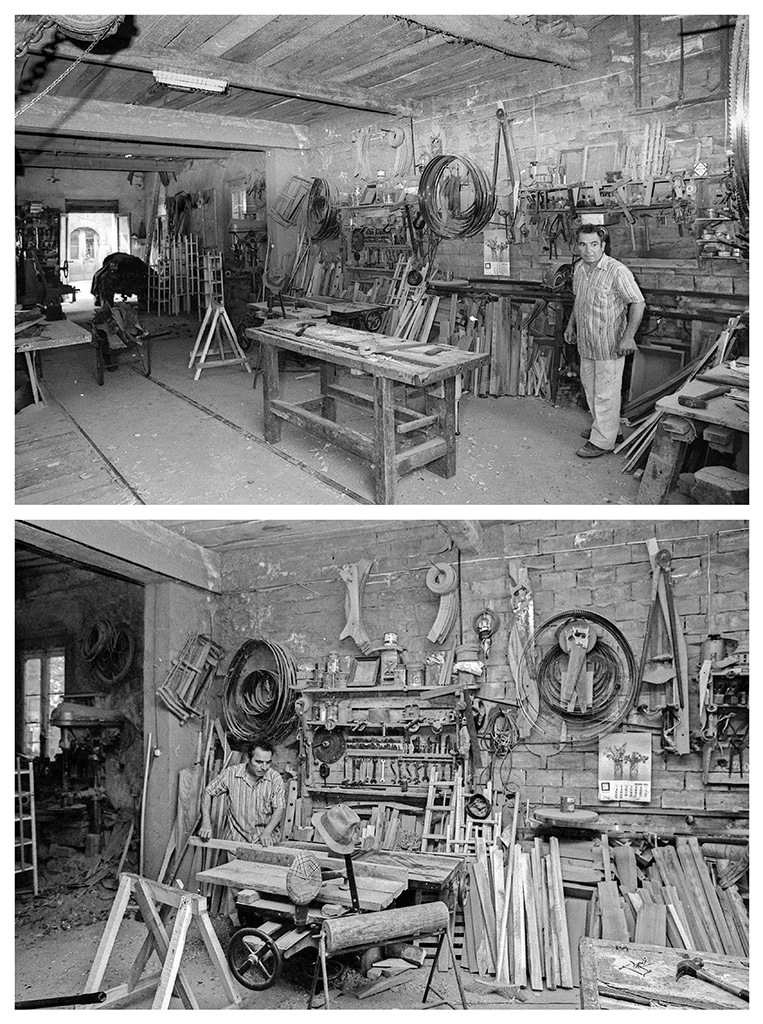
The best moment in a commission may be when you recognise your original intention in a solution you could not have designed alone.