“Where should I go in Italy?” is too large a question to produce an interesting journey. Try a smaller one: what would you like to understand with your hands, eyes or appetite?
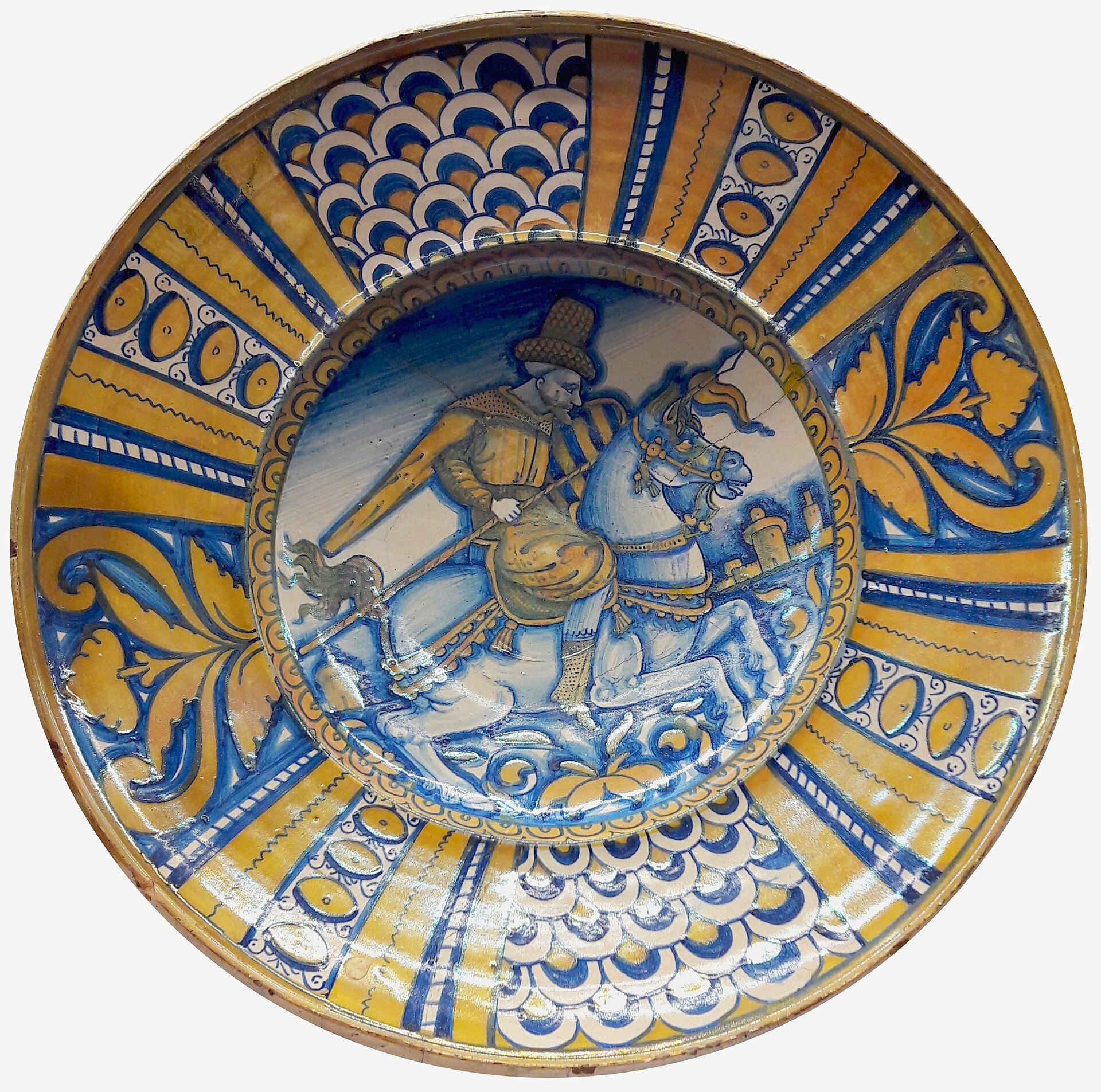
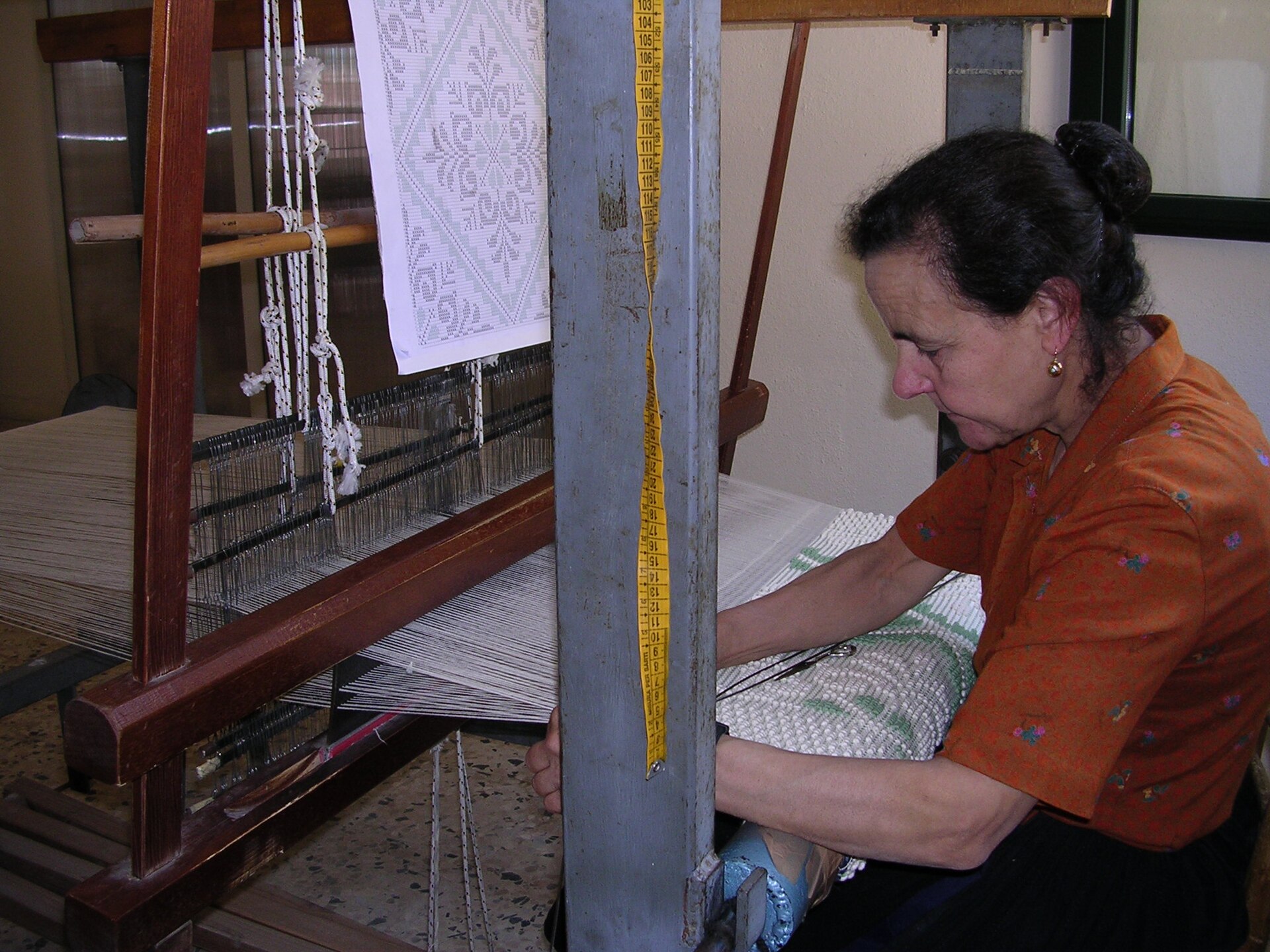
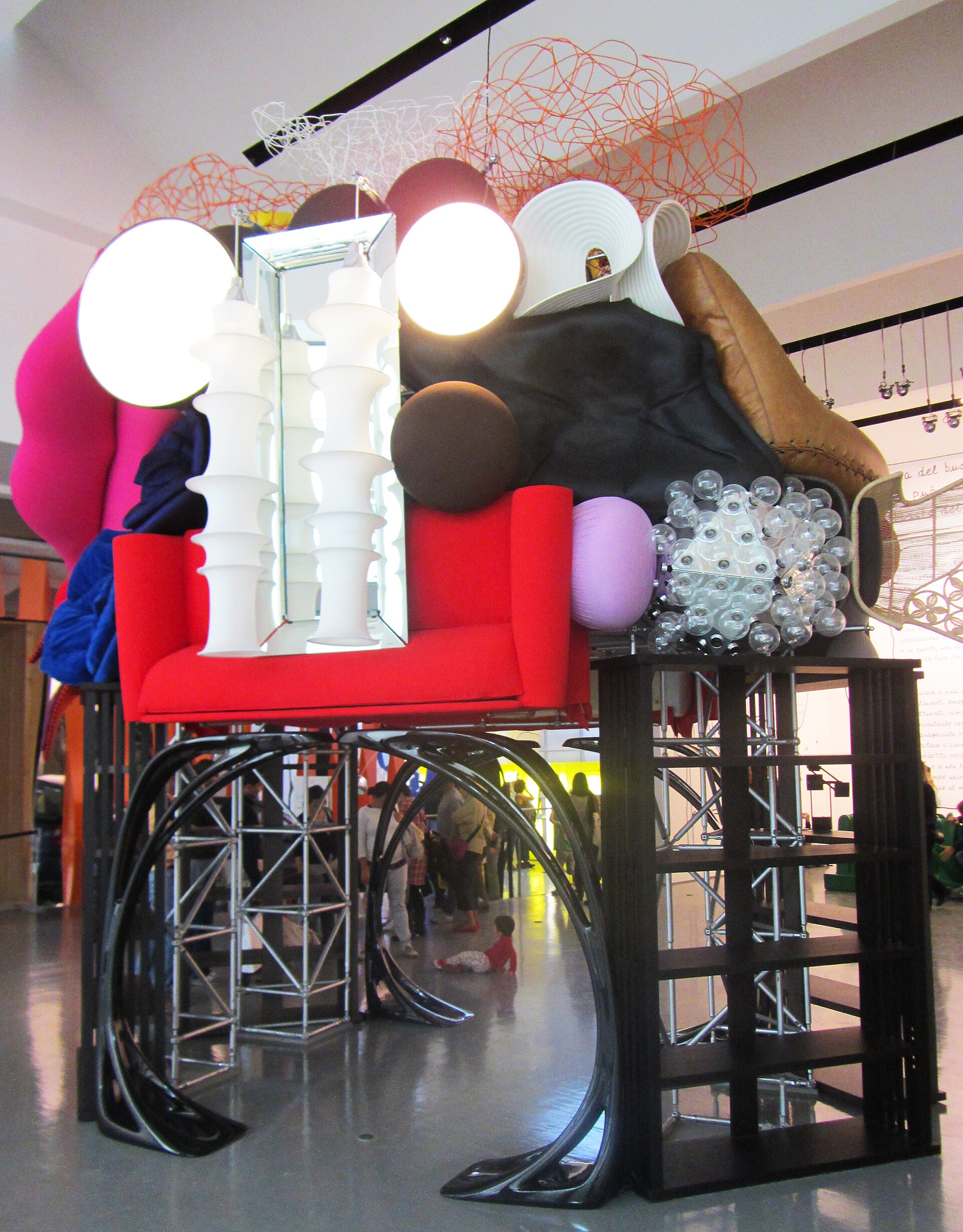
If the answer is ceramics, a route through Umbria can connect museum collections and living workshops. If it is textiles, a town such as Anghiari offers a weaving business whose premises and visitor policy can be researched in advance. If it is design history, Milan’s collections can make a weekend more than a succession of shops. These are not interchangeable trips with different photo stops. Each has a question that holds its places together.
Give that question enough time. One confirmed workshop visit and an afternoon left open may teach you more than five appointments squeezed between train journeys. Put the practical facts on paper: opening days, travel times, whether advance booking is required, how purchases would be carried home. Then leave enough space to follow something unexpected.
A journey shaped by a material is not a hunt for “the real Italy”. No single route can claim that. It is simply a way to become more attentive to what a place knows how to do, and to the people choosing what to make there now.
The material can also help you edit the route. If you choose glass, ask where you can see both historical work and contemporary production, and whether a visit is possible without intruding on a workplace. If you choose olive oil, plan around producers and mills whose access and season are confirmed. The question is not “How many artisans can we meet?” but “What difference will each stop help us understand?” Two visits that answer the same thing may be one too many.
Build the journey in layers. Start with the public institution that gives context. Add a maker or producer who welcomes visitors. Leave an unplanned interval to notice how the material appears in daily life. Only then decide where to stay and how long the route needs. This order can save a trip from becoming a sequence of appointments held together by driving. A material gives the journey coherence; it should not turn it into homework.
The places may change with the season and with access. The question holding them together can remain useful for a lifetime of journeys.
You return with more than a list of stops. You have a better question for the next place.