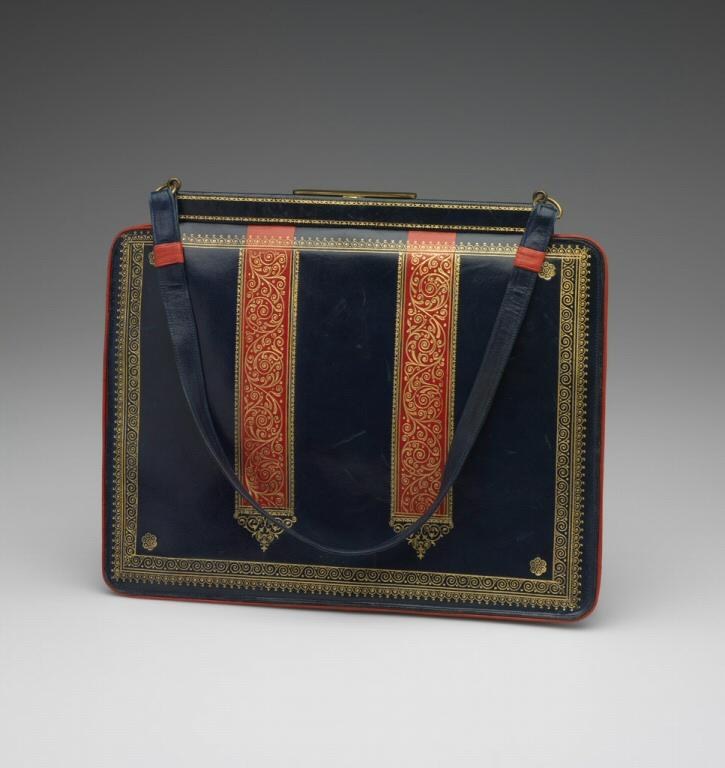
A leather bag does not stay as it appeared in its first photograph. Handles meet hands; corners meet tables; the surface meets light, rain and time. Some changes can be beautiful. Others are damage that might have been avoided.
Begin by learning which leather and finish you actually own. Smooth, suede, nubuck and coated surfaces do not all respond to the same products. Ask the maker for its care instructions and test only what it recommends. A generic cream that helps one bag may stain another. When in doubt, a professional repair service is a better source of judgment than an internet remedy.
Give the bag a place to rest. Empty it of heavy contents when it is not in use. Keep its shape as advised by the maker, protect it from prolonged sun or damp, and avoid storing it where heat can dry the material. If a mark appears, resist the urge to rub immediately. Find out what caused it and how the specific finish should be treated.
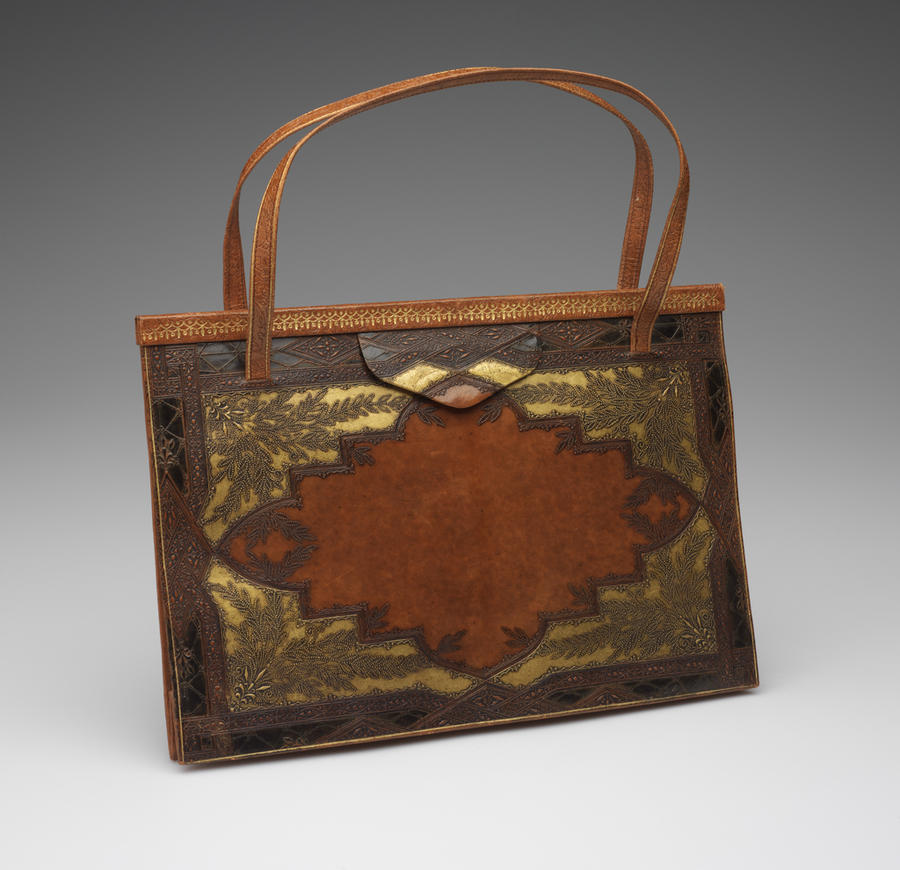
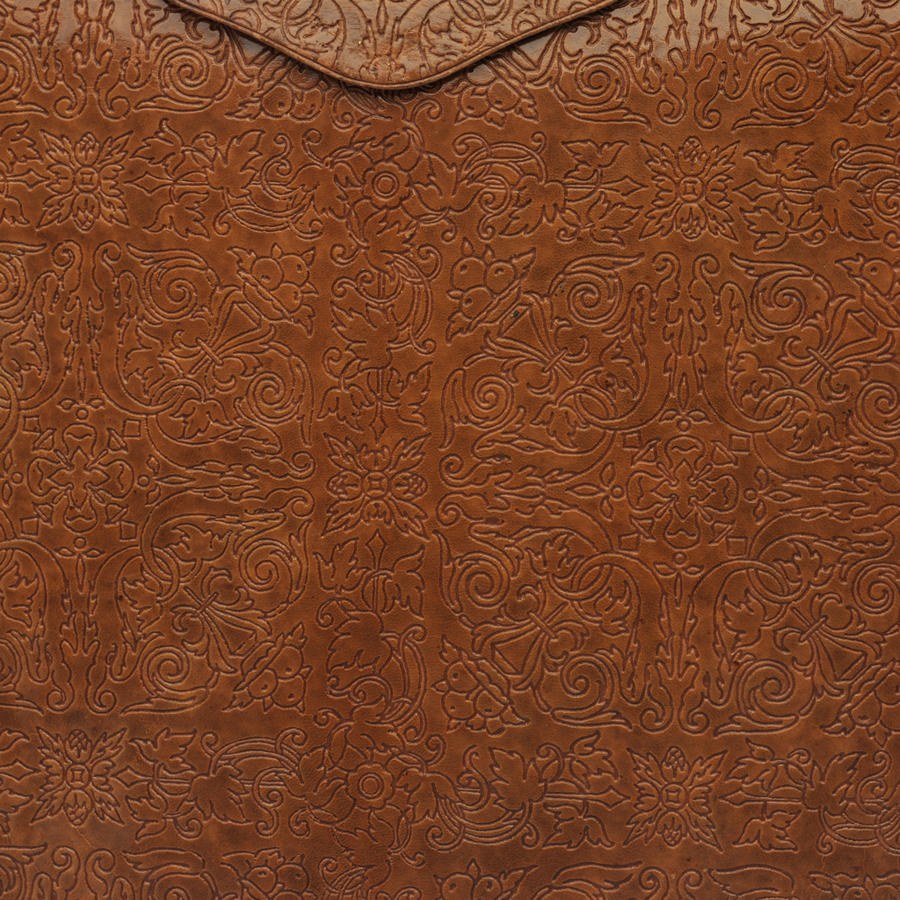
Care is not the same as trying to keep an object untouched. The softening of a handle can record years of use. A repaired seam may extend that life. The question is which traces you want to welcome and which problems you can prevent.
Photograph the bag when it is new, including corners, handles and lining. This is not for an insurance dossier; it helps you notice how the object changes. After a season, you may find that the leather has softened exactly where a hand holds it, while a stitch at the same point needs attention. Those are different observations. One can be part of the pleasure of ownership; the other is a reason to contact the maker or a qualified repairer.
Never let a social-media cleaning trick become the authority for a piece you value. Some finishes are deliberately delicate, and a substance that appears to improve one mark can change the surface around it.
The person who made or sold the bag should be able to identify the material and advise on routine care. If the answer is uncertain, say so. A bag is more likely to age well when you understand the construction that supports its shape and accept that care is an ongoing conversation, not a single miraculous product.
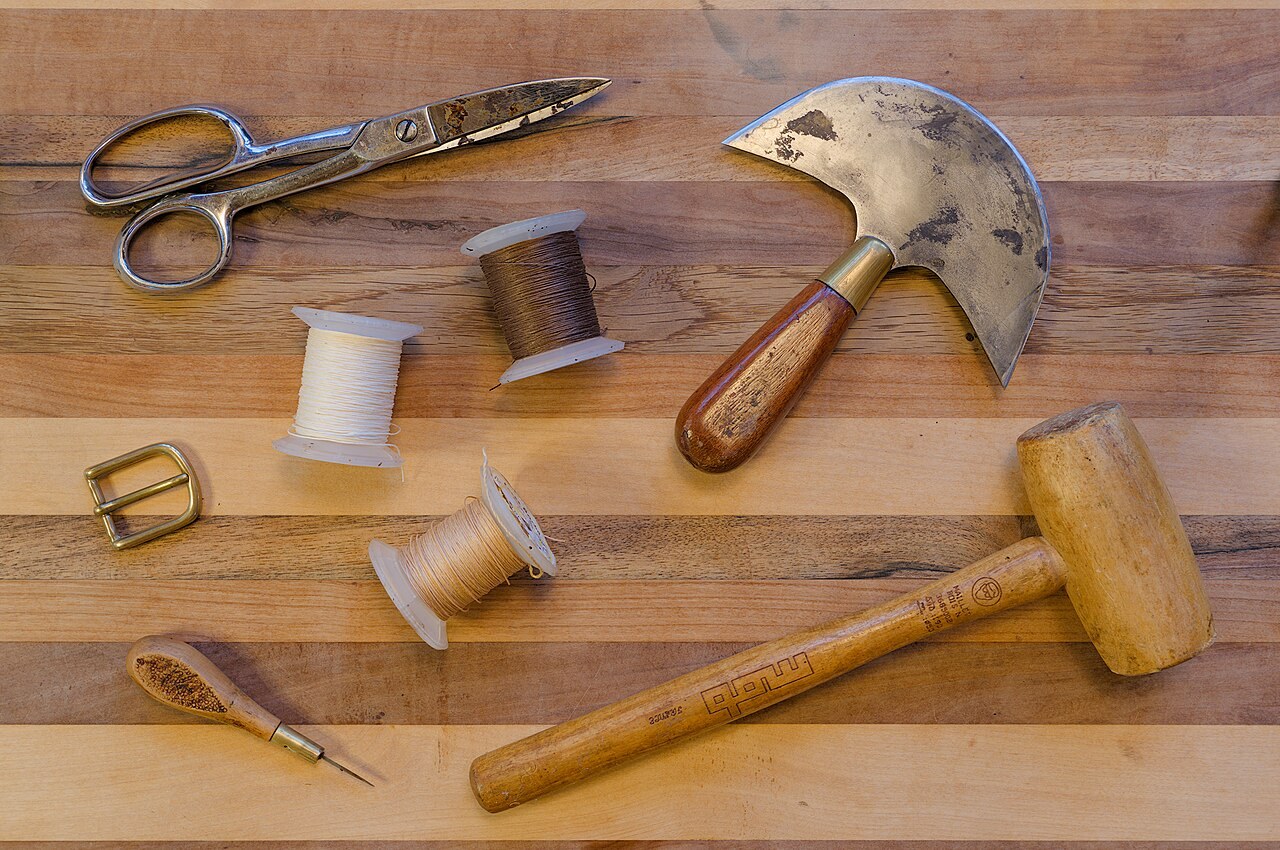
This is the natural second chapter to asking how a bag was made. Once you know the choices in its construction, you can care for them with more confidence.