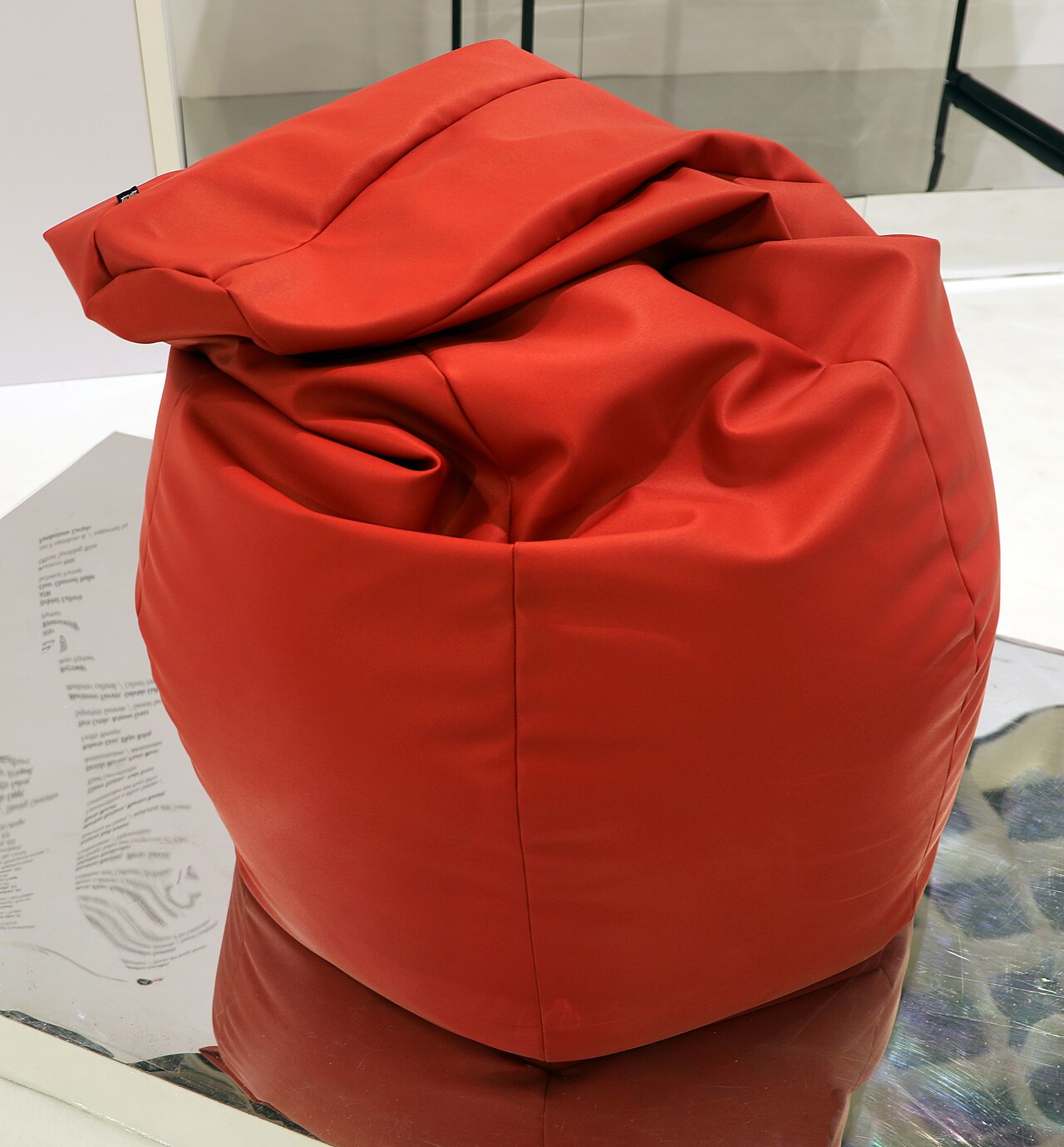
We tend to ask who designed a famous chair. Less often do we ask what had to happen after the drawing for anyone to sit in it.
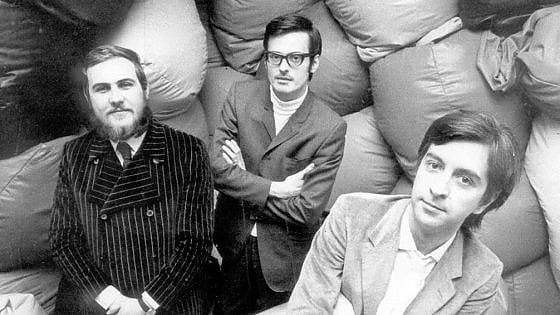
Consider the Sacco, designed in 1968 by Piero Gatti, Cesare Paolini and Franco Teodoro and produced by Zanotta. The ADI describes it as an unconventional upholstered object that moved away from the expected posture of a chair. The design idea is easy to photograph: a soft form that changes when someone uses it. But making that idea work repeatedly asks for decisions about material, filling, sewing, durability and production.
This does not diminish the designer. It makes the object more interesting. Authorship in design often includes a proposal from one person or team and a series of practical judgments by others. The name on a museum label can be the beginning of the investigation, not its end.
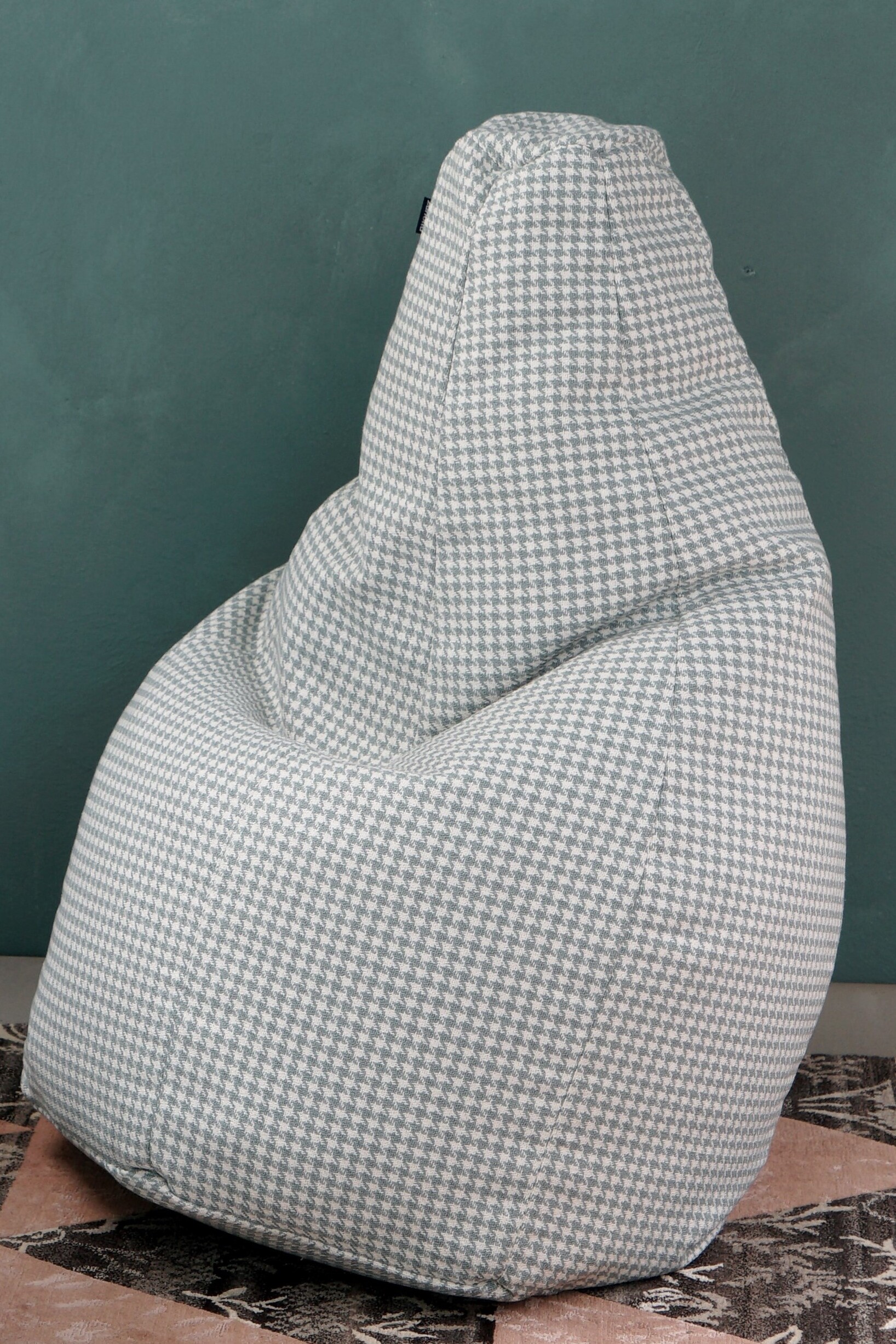
When you encounter an object you like, ask how its parts come together. Is a surface shaped by hand, machine, or both? What can be repaired? What has changed between an early version and a current one? A brand that can explain those decisions offers more than an elegant origin story. It helps you imagine the object’s future in your own home.
A design drawing can specify a silhouette and still leave difficult questions unresolved. How should a seam bear weight? What happens when filling settles? How can a soft object keep its character across repeated production? The current manufacturer is the right source for answers about a present-day edition; the historical archive helps explain the original idea. Mixing those two kinds of evidence can make a modern product sound as if it were produced exactly as it was decades ago.
This is why a factory or workshop belongs in a design story without being reduced to anonymous execution. A prototype may reveal that a beautiful line is uncomfortable, fragile or too difficult to maintain. A material specialist may make a designer's proposition possible at all. Credit does not have to be a competition between concept and making. The finished chair is a place where several forms of intelligence meet.
This perspective changes the questions we ask in a showroom. Beyond the designer's name, we can ask who made the current edition and what the producer has learned by making it over time.
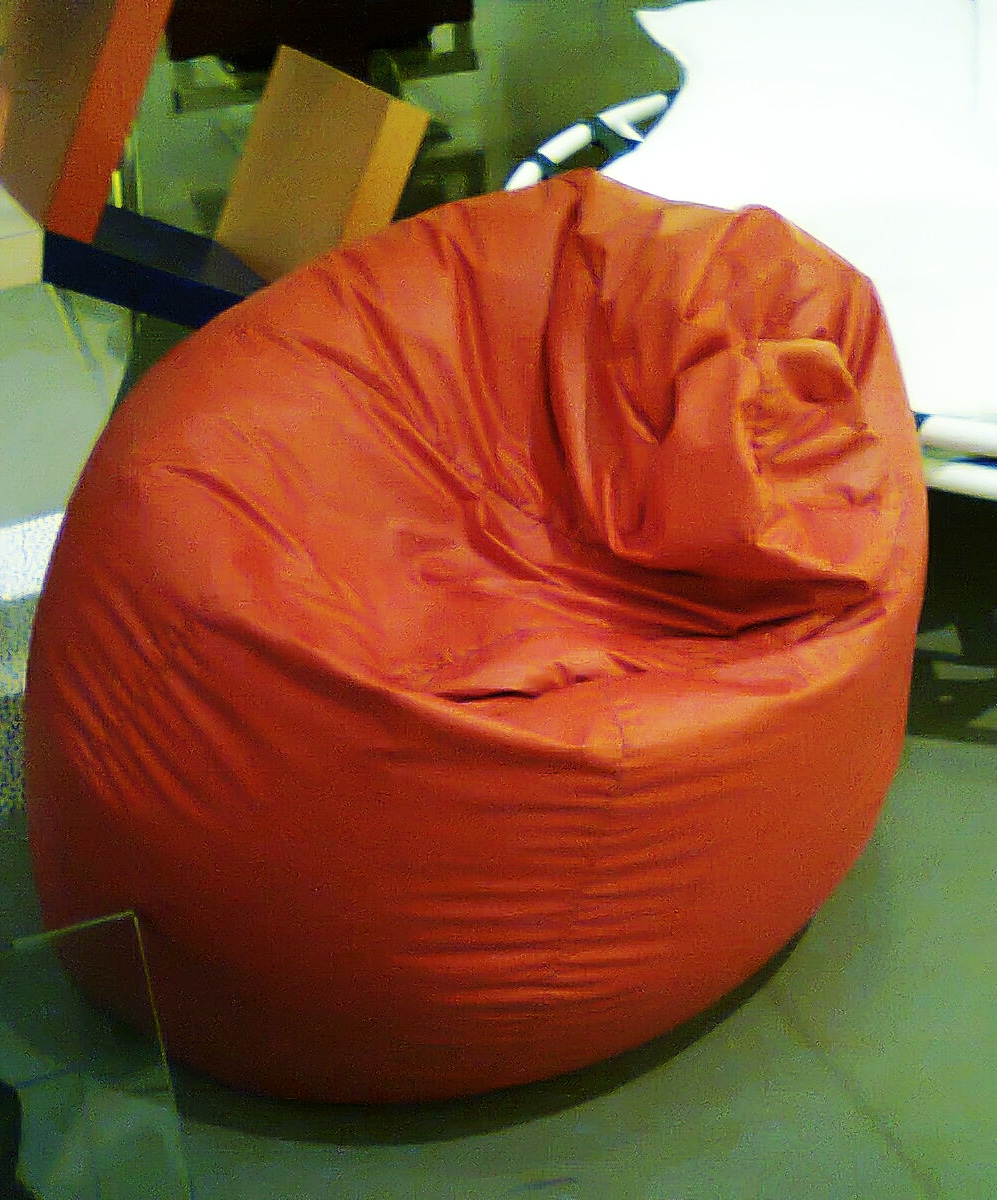
The drawing may tell you why an object exists. Its construction tells you whether the idea can stay with you.