The Øriginal Journal
Something interesting is happening in the luxury crisis
The numbers tell a story of slowdown. Look closer, and they may also reveal an opening for exceptional independent craft.
By Lu · 22 September 2026
LVMH closed 2025 with €80.8 billion in revenue, down 5% on a reported basis and 1% organically from the previous year.
That number, on its own, tells a familiar story: luxury is slowing.
But the most curious part is what is happening behind the headline.
Same group. Different outcomes.
LVMH · 2025Fashion & Leather Goods
Watches & Jewelry
Selective Retailing
Inside the same group, in the same year, Fashion & Leather Goods declined 5% organically, while Watches & Jewelry grew 3% and Selective Retailing grew 4%.
Same macro environment. Same conglomerate. Different outcomes.
So what if luxury is not simply in crisis?
Over the past year, much of the conversation around the sector has focused on where luxury is expanding next: hospitality, wellness, restaurants, experiences and new forms of entertainment.
That movement is real. But consumer behaviour may be telling us something even more important.
BCG × Altagamma · 2025
What is the premium actually paying for?
89%Craftsmanship and quality
60%Overwhelmed by excessive marketing
80%Prefer a dedicated, intimate space
In BCG and Altagamma’s 2025 study, 89% of top-tier luxury clients valued craftsmanship and quality but felt they were not getting it. At the same time, 60% felt overwhelmed by excessive marketing and poorly targeted communication, while 80% would prefer a dedicated, intimate space within the store.
McKinsey’s 2026 research found a different but related signal.
In the United States, 68% of luxury consumers surveyed said newer or disruptive brands better reflected their identity, compared with 63% who said the same of established luxury houses. The research also found that emotional connection now plays a central role in desirability, alongside traditional markers such as craftsmanship, heritage and exclusivity.
And younger consumers appear particularly alert to another issue: whether the values communicated by a brand are actually credible.
EY’s 2025 Luxury Client Index found that 36% of Gen Z respondents considered sustainability an important purchase factor, compared with 22% of Gen X and 23% of baby boomers. At the same time, 30% of Gen Z said they were sceptical about the authenticity of brands’ sustainability claims.
None of this means consumers have suddenly stopped caring about the big maisons.
And it certainly does not mean heritage has lost its value.
But heritage, recognition and a famous name may no longer be enough on their own to justify an ever-higher premium, especially after years of price increases, growing scrutiny around supply chains and production practices, and a market in which consumers can increasingly compare what sits behind the image.
People may still want luxury. But they appear to be becoming more selective about what deserves the premium attached to it.
Three houses. Different paths.
Some maisons seem to be navigating this new economy more successfully than others.
Hermès grew 8.9% at constant exchange rates in 2025. Brunello Cucinelli grew 11.5% at constant exchange rates, reaching around €1.4 billion in reported revenue. Chanel reported 2% growth at constant exchange rates and comparable structure.
This is not proof of one universal formula. In fact, what makes the comparison interesting is that each house is following a very different path.
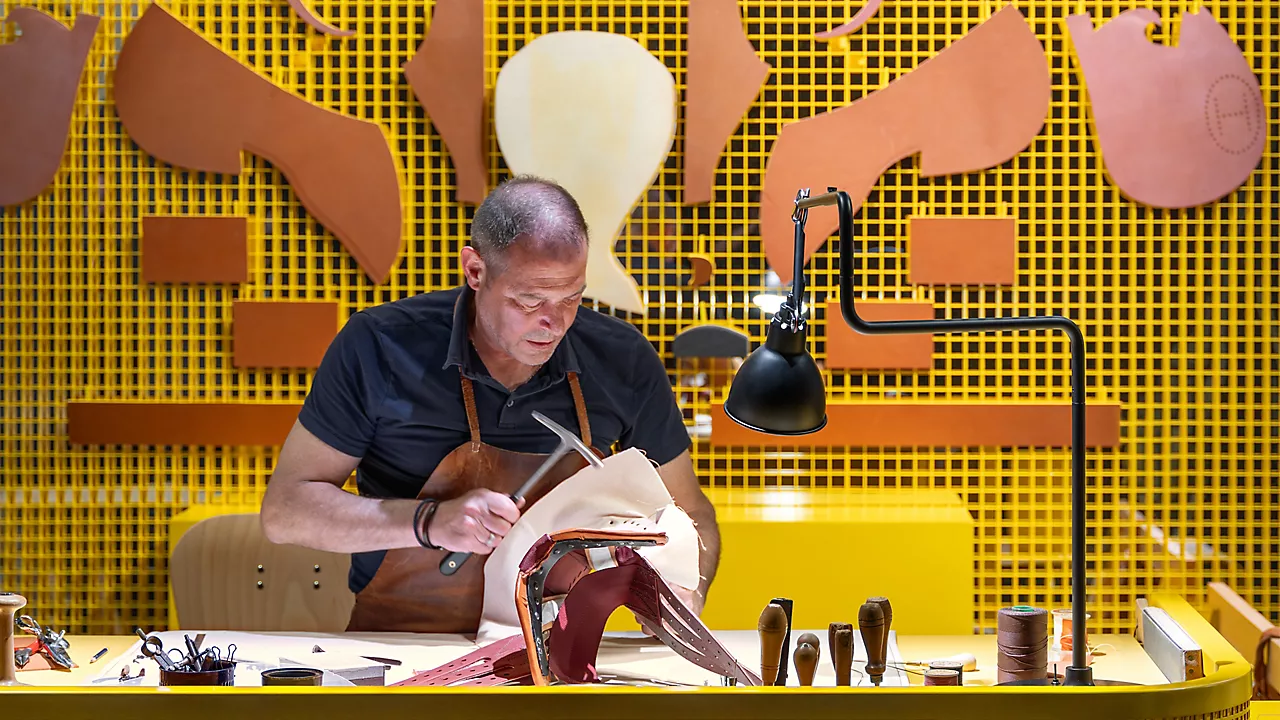
Hermès is placing human creativity and craftsmanship at the centre as AI becomes more present everywhere else. Its strategy is explicitly built around creative freedom and craftsmanship, and 2025 was organised around the theme Drawn to Craft, celebrating drawing, artisanship and the human act of making.
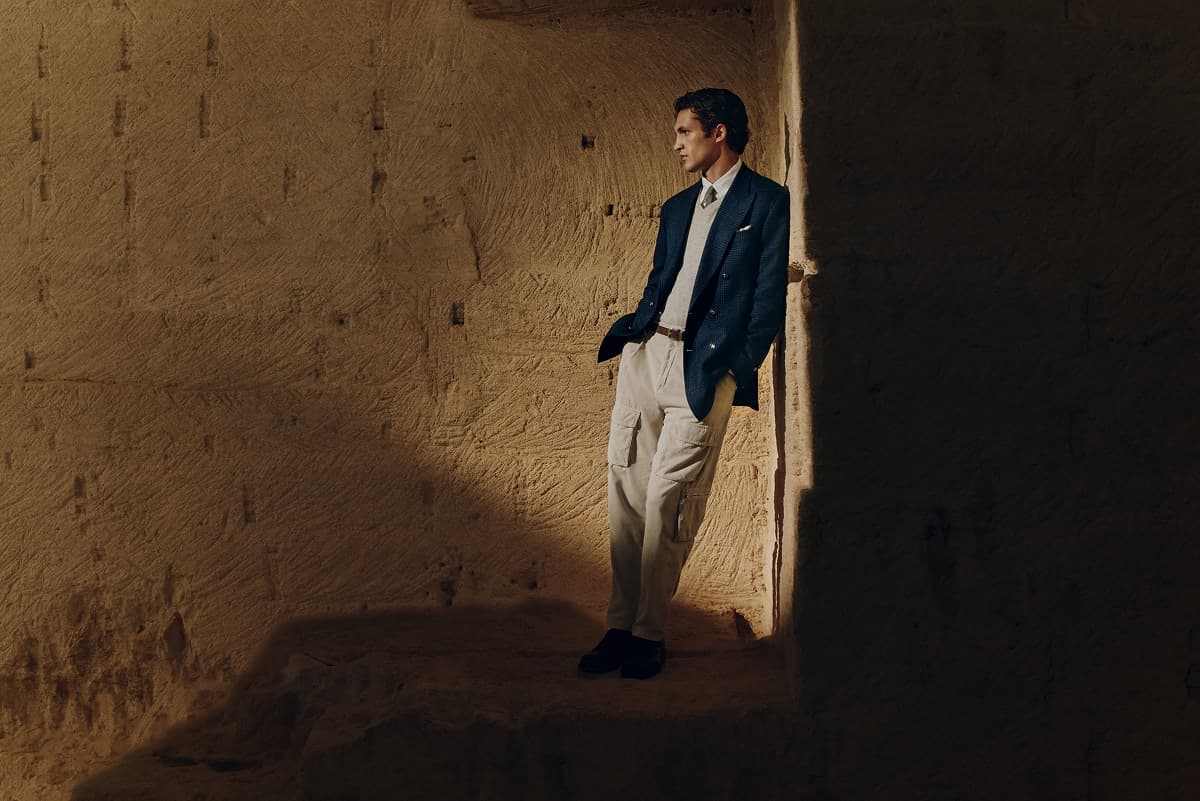
Brunello Cucinelli is doing something different: making understated, timeless, enduring quality feel contemporary rather than nostalgic. Its 2025 results combined double-digit growth with continued investment in the business, while the brand has kept its focus on refined ready-to-wear, craftsmanship, materials and a distinctly humanistic vision of enterprise. The point is not simply “timeless pieces.” It is that timelessness is being renewed through modern styling, real production capability and a coherent lifestyle proposition.
Chanel, under Matthieu Blazy, is taking another route again: giving fresh energy to Coco Chanel’s DNA without abandoning the codes that make the house recognisable. His debut show in October 2025 opened this new creative chapter. The interesting part is the ability to make heritage feel alive, current and desirable again.
Different strategies.
But there is one interesting point of intersection:
The human element remains central to the value being created.
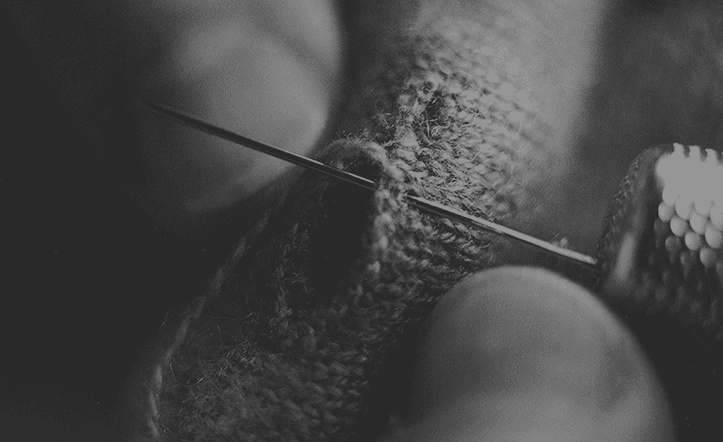
What looks small may hold real value.
And this is where the conversation becomes especially relevant for independent craft businesses.
For years, many of the characteristics that made these businesses difficult to scale also made them difficult to notice.
Production may be limited. Distribution may be narrow. The name may be unknown beyond one city or region. The maker may have no global campaign, celebrity ambassador or flagship on Via Montenapoleone.
From a conventional marketing perspective, these can look like weaknesses.
But in a market increasingly interested in authorship, recognisable identity, material knowledge, provenance, intimacy and more meaningful relationships with the people behind what they buy, some of those characteristics may become deciding factors.
Especially because genuine human contact is becoming harder to find.
The important word here is may.
Being small does not automatically make a business exceptional. Being handmade does not guarantee quality. Being difficult to find does not make something desirable, and obscurity is not the same thing as exclusivity.
The opportunity belongs to businesses where there is something real underneath all of that: mastery of a technique, a product genuinely worth choosing, a recognisable signature and knowledge that cannot easily be reproduced.
Many of these realities already possess the qualities the market says it is searching for.
The problem is that the right people still do not know where to find them.
And that is one of the reasons Ca’Øriginale exists.
Not to make independent craftsmanship look more like the luxury industry.
But to make exceptional human craftsmanship easier to discover, understand and choose without stripping away what made it original in the first place.
If you are building one of these realities, we would like to know about it.
If you want to discover them, we are happy to have you here. Think of us as your new connoisseur best friend.
Tell us about your work →ØQuestion
What was the last thing you bought that felt worth every penny?
Sources & further reading
Financial results refer to 2025. Consumer studies are dated individually. The connection to independent craft is an editorial interpretation, not a forecast.
- 1. LVMH · 2025 full-year results · Source ↗
- 2. BCG × Altagamma · True-Luxury Global Consumer Insights 2025 · Source ↗
- 3. McKinsey · State of Luxury, 2026 · Source ↗
- 4. EY · Luxury Client Index 2025 · Source ↗
- 5. Hermès · Financial figures · Source ↗
- 6. Hermès · Drawn to Craft · Source ↗
- 7. Brunello Cucinelli · 2025 annual report · Source ↗
- 8. Chanel · 2025 financial results · Source ↗