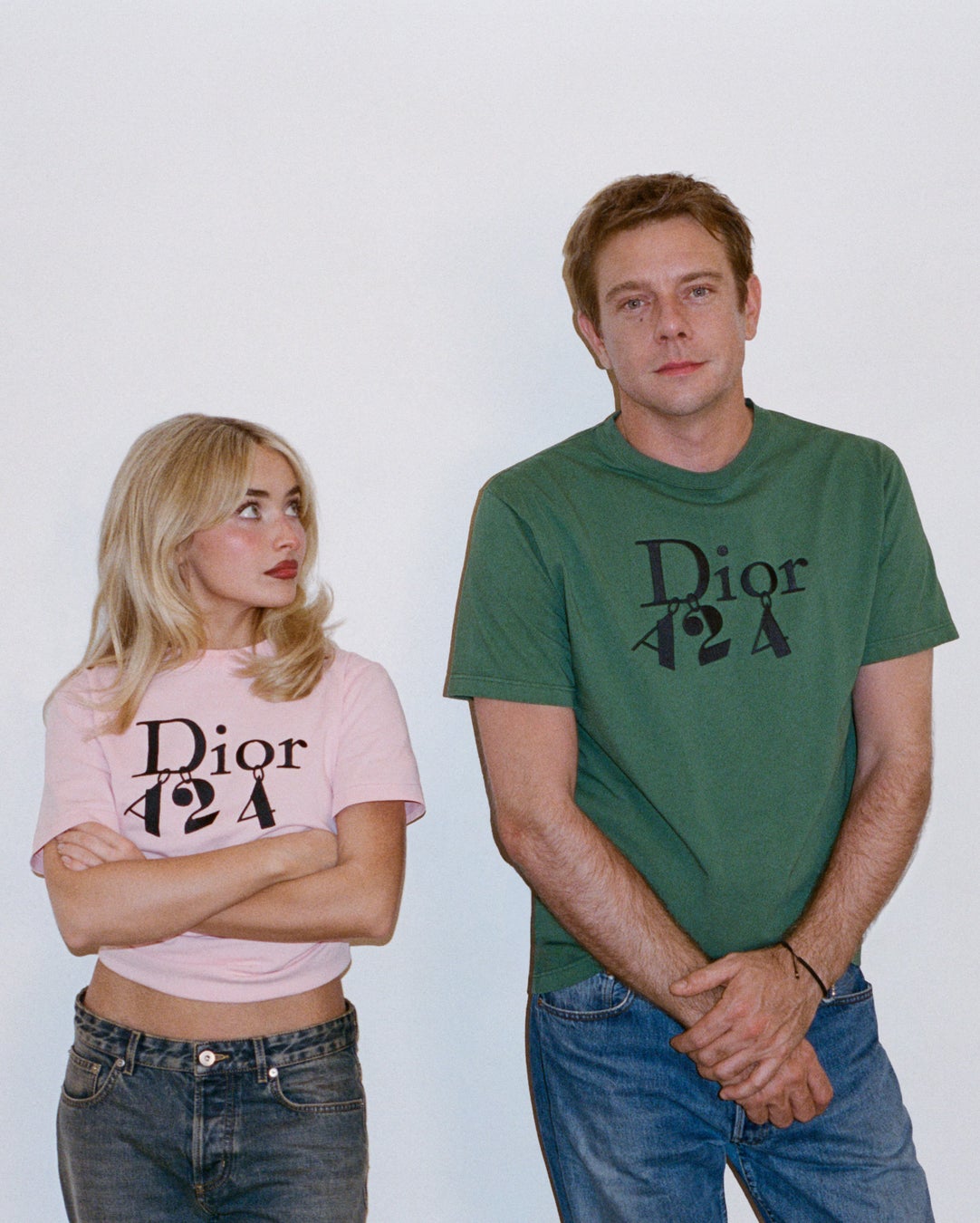
Dior could have cast almost anyone.
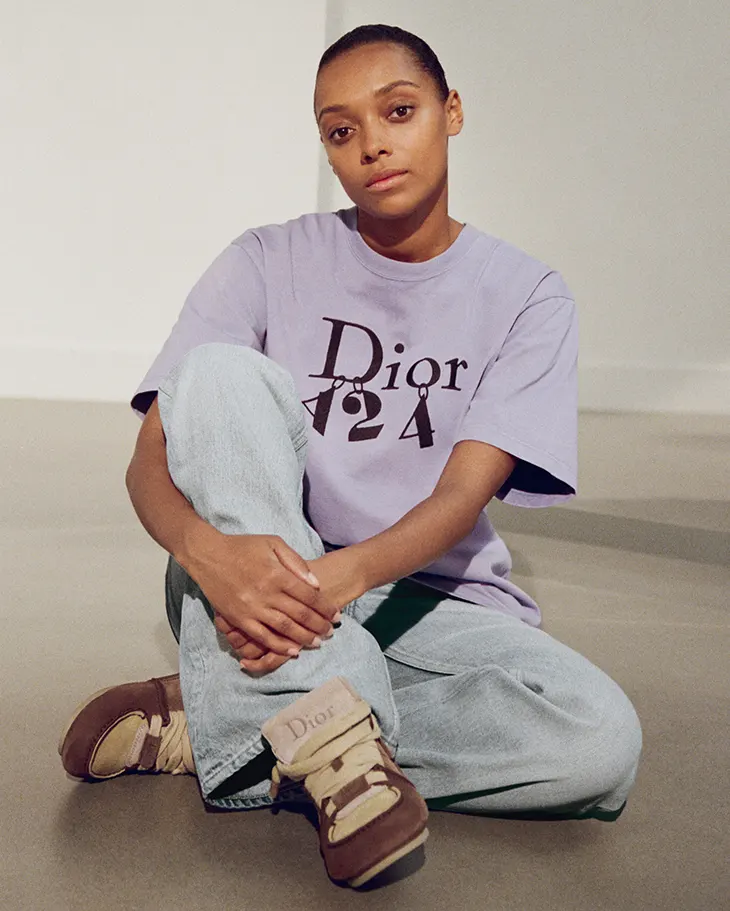
And in fact, the campaign already includes famous faces like Sabrina Carpenter, Camille Cottin, Josh O’Connor, Drew Starkey and Sophie Wilde.
But why Jonathan Anderson?
Creative directors do not normally appear in campaigns as one of the talents.
Maybe he simply wanted the spotlight.
Maybe. But there is a more interesting explanation that makes the whole campaign feel genius.
So, what is going on?
Dior and A24, the independent entertainment company best known for film and television and now also active in live theatre, have announced a two-year creative partnership centred on New York’s historic Cherry Lane Theatre.
The campaign brings together fashion, film, performance and storytelling.
And it plays directly with identity.
The actors appear as “Jonathan Anderson”, while Anderson himself appears as himself.
At one level, the joke works because he has become unusually visible since taking over Dior.
But Jonathan Anderson today is much more than a passive creative director.
His personal style, his references, the way he dresses and the way he presents himself have become part of how people read Dior today.
In that sense, there is something almost Karl Lagerfeld-like about his presence.
LVMH described Jonathan Anderson’s debut at Dior as an exercise in “decoding the language of Dior in order to recode it”.
And that is probably the best way to understand what he is doing.
He is taking familiar Dior codes and making them feel present rather than stuck in the past.
That alone would already make him a logical person to place inside the campaign.
But there is a secret sauce that makes this choice a genius move.
Before fashion, Jonathan Anderson studied acting.
He trained at the Studio Theatre in Washington, D.C., before eventually moving toward fashion.
Knowing this, the partnership becomes personal.
A campaign built around A24, theatre, performance and storytelling is using as one of its central figures a creative director whose own story started in acting.
And this is where it gets very interesting from a brand point of view.
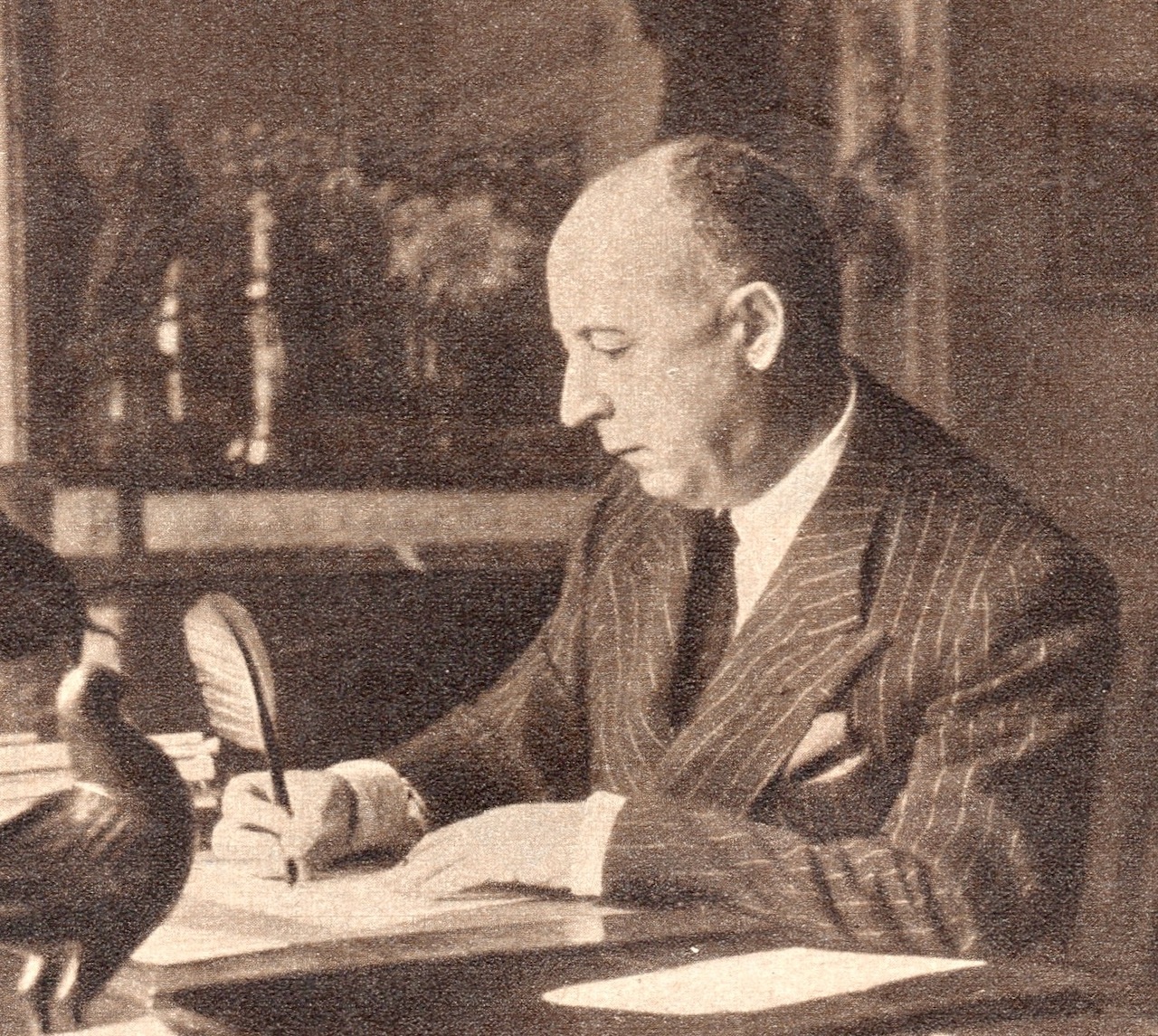
Think about Christian Dior with the lucky star and lily of the valley.
Chanel with the free body, tweed, camellias and pearls.
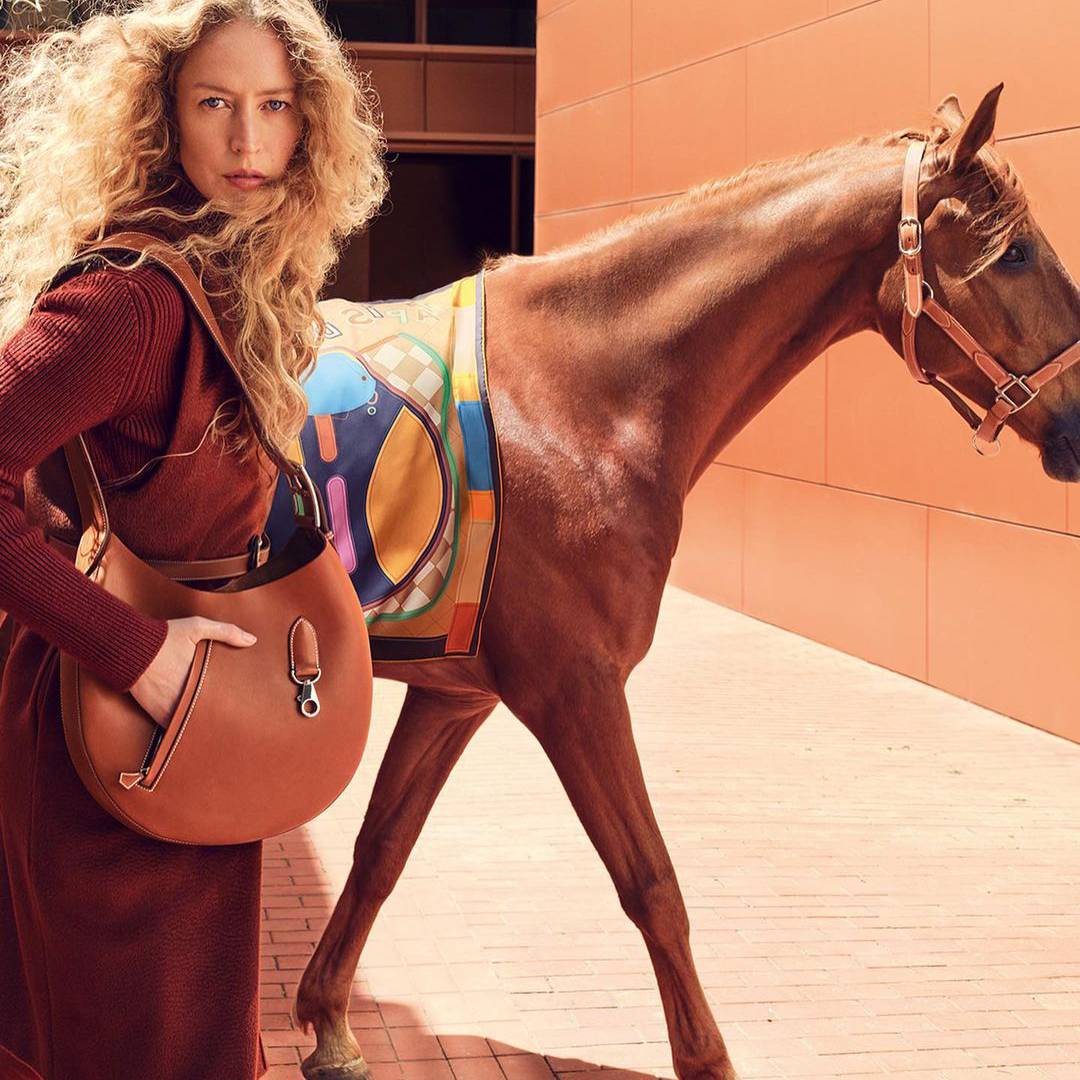
Hermès with orange and horses.
Prada with intellectualism, nylon and the sailing world of Luna Rossa.
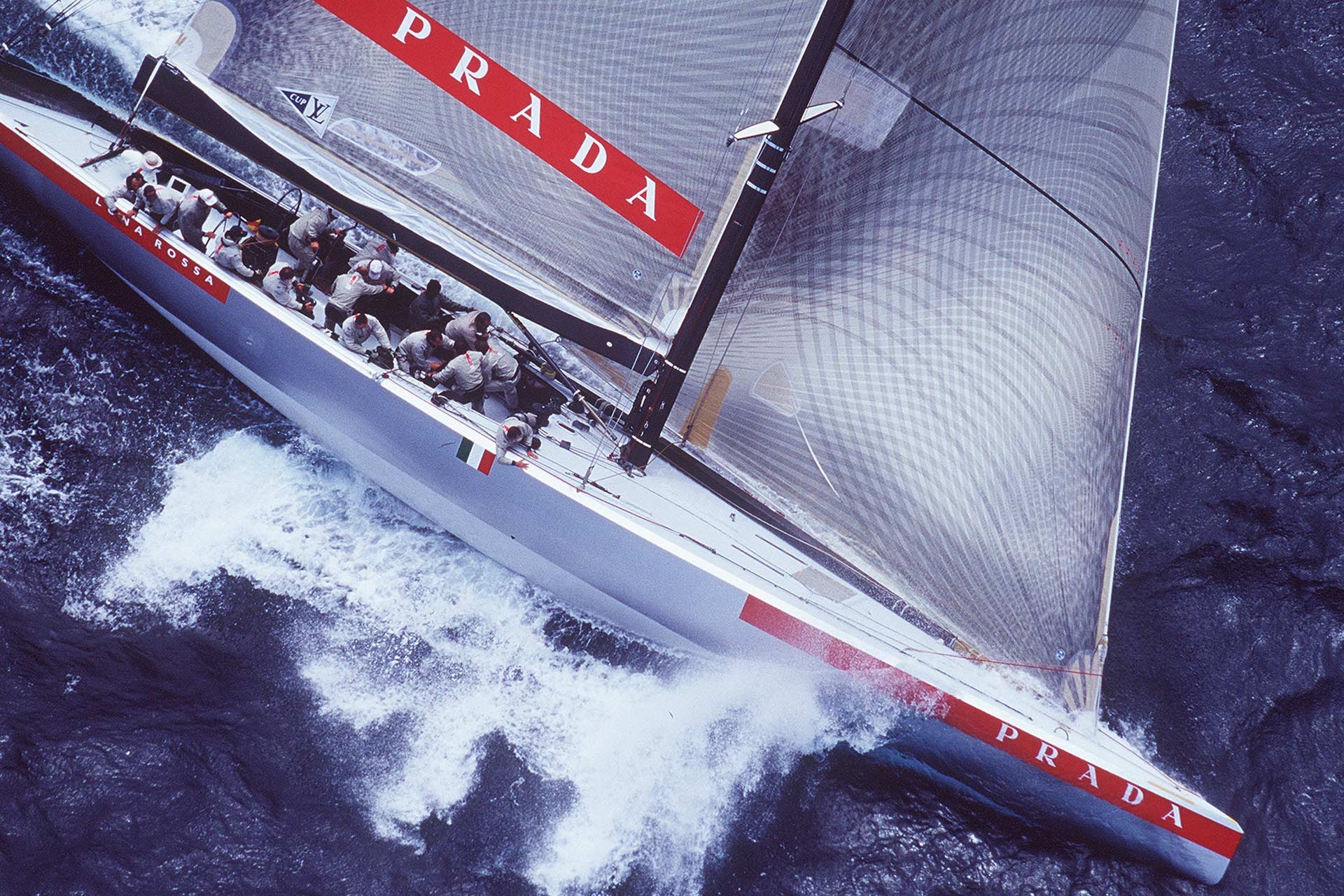
Over time, the strongest maisons build identity through codes that are not random.
They come from a founder, a history, a habit, a personal reference, a way of seeing the world.
It feels like Jonathan Anderson is beginning to introduce more of his own background into the conversation around Dior too.
That is interesting because one of the biggest challenges for a heritage house or multi-generational artisanal company is not necessarily the mastery required to produce the piece.
It is what happens when the original creator is no longer there to bring the creative vision.
How does the brand continue the legacy in a world that moves quickly, when what worked in the past may not work in the same way for future generations?
So how do you stay relevant and modern without losing the heritage?
How do you keep leading the conversation instead of following it?
It feels like Dior is making a bold move.
Not by abandoning the house’s past, but by allowing the person shaping its present to introduce new codes into the brand identity without diluting the heritage that has been built over decades.
And I am very curious to see how this unfolds.