The Øriginal Journal
Is Louis Vuitton an Old-Money Brand?
What logos, quiet luxury and the codes of recognition say about who we are.
By Lu · 13 September 2026
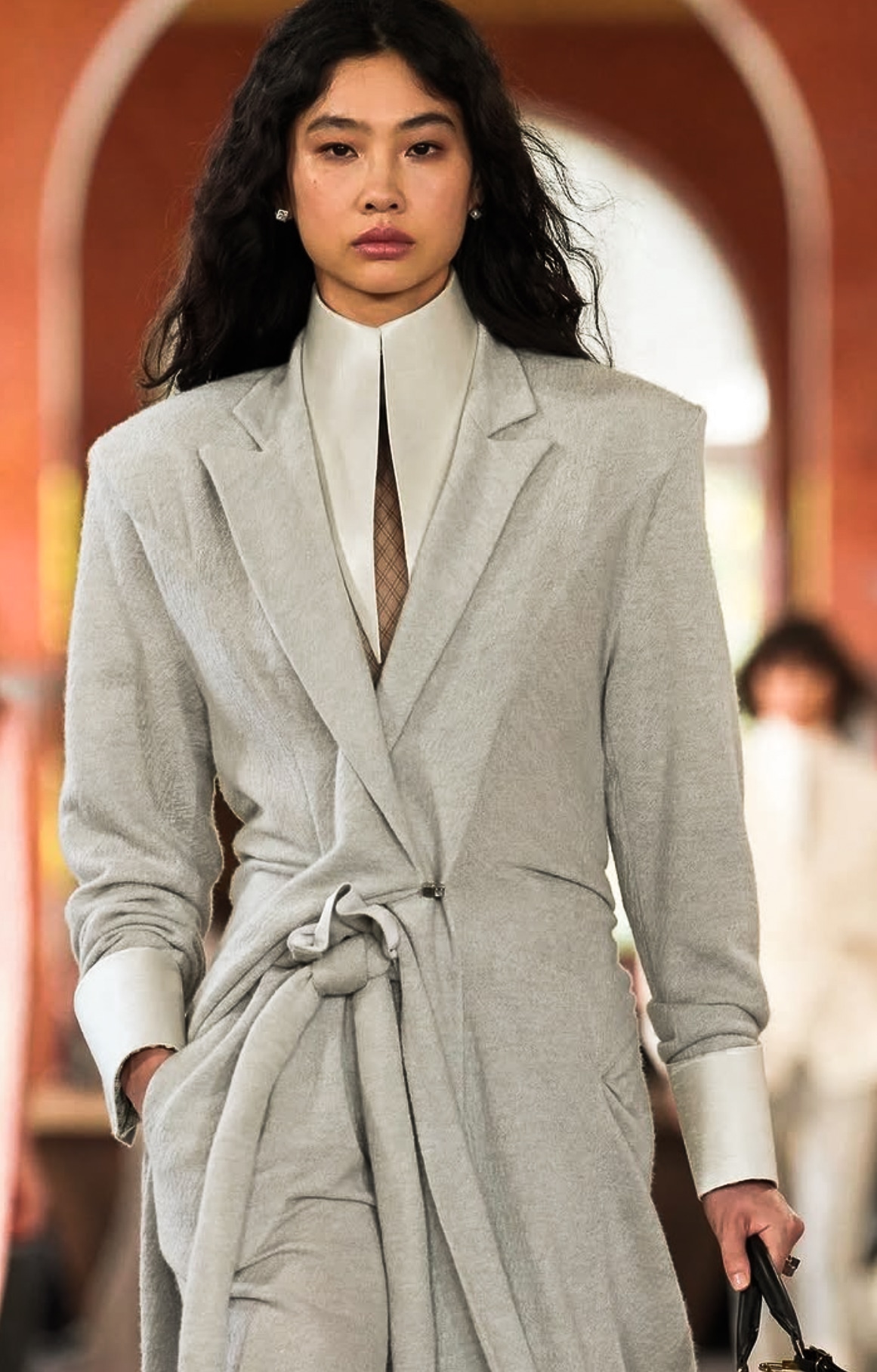
Imagine a series of looks by Louis Vuitton and Brunello Cucinelli with every label removed.
Could you identify which one came from each brand?
Common sense would say yes.
But the answer may reveal something far more interesting than simply defining who has better taste.

Luxury is often reduced to a simple equation:
- Quiet luxury equals refinement, discretion and old money.
- Logomania equals bad taste, loudness and new money.
It is a satisfying division. It makes an extremely complex social language feel easy to decode.
But two important aspects are missing.
First, we are not necessarily looking at two levels of taste.
We may be looking at two different things we ask fashion to do.
The first is fashion for ourselves.
We use objects, clothes, materials and silhouettes to express something about who we are. The pleasure can remain almost private.
It may live in the way cashmere feels against the skin, in the fall of a jacket or in a detail only its wearer knows is there.
The second is fashion for others.
Here, an object helps us become legible to a group. It can signal belonging, aspiration, success, taste or access before a conversation begins.
Human beings have always used clothes to communicate identity and position.
The difference lies in how easily the message can be read.
A logo can be recognised from across the street.
A beautiful cut, an exceptional fabric or the balance of a silhouette may only become visible from a much shorter distance.

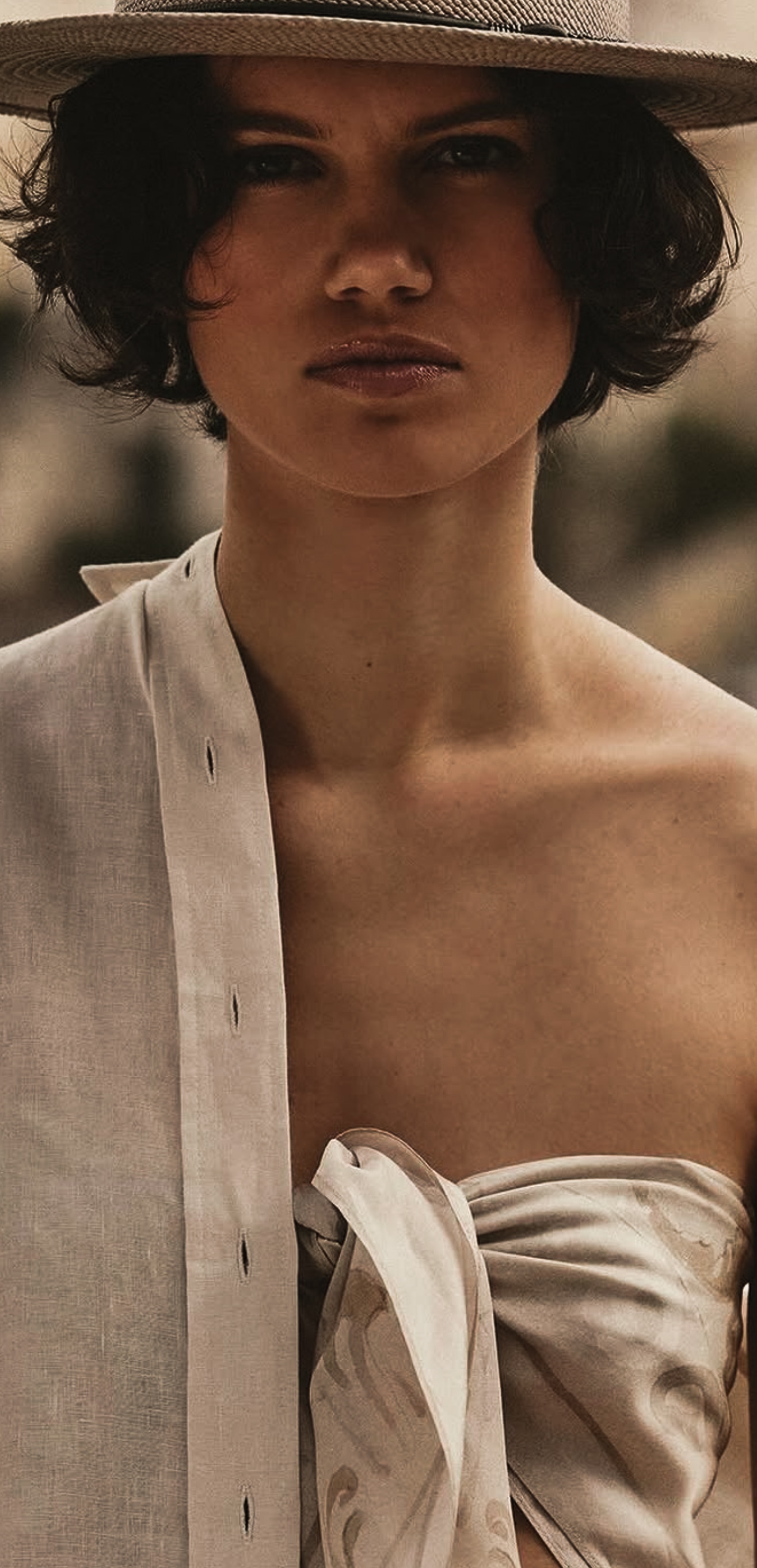
This is where the conversation becomes interesting.
When we already belong to a social or cultural world, many of its codes feel natural.
We recognise what is rarely explained because we have watched other people use it. We know which details matter, which gestures feel excessive and which forms of restraint communicate more precisely.
The rules seem obvious because somebody taught them to us as part of a culture.
But what happens when someone arrives from another context?
They may not have been taught to understand and recognise the same codes.
And when we are talking about clothing, the logo is the clearest sign.
It is not necessarily a failure of taste.
Louis Vuitton offers an unexpectedly perfect example because its Monogram did not begin as an empty symbol of status.
In 1896, Georges Vuitton created the pattern of interlaced initials and floral motifs partly in response to copies of the house’s successful trunks.
The Monogram made authorship visible. It protected the house’s identity while paying tribute to his father.
A code created to distinguish original work became one of the most recognisable status symbols in the world, and is now itself extensively copied and counterfeited.
Brunello Cucinelli works through almost the opposite form of recognition.
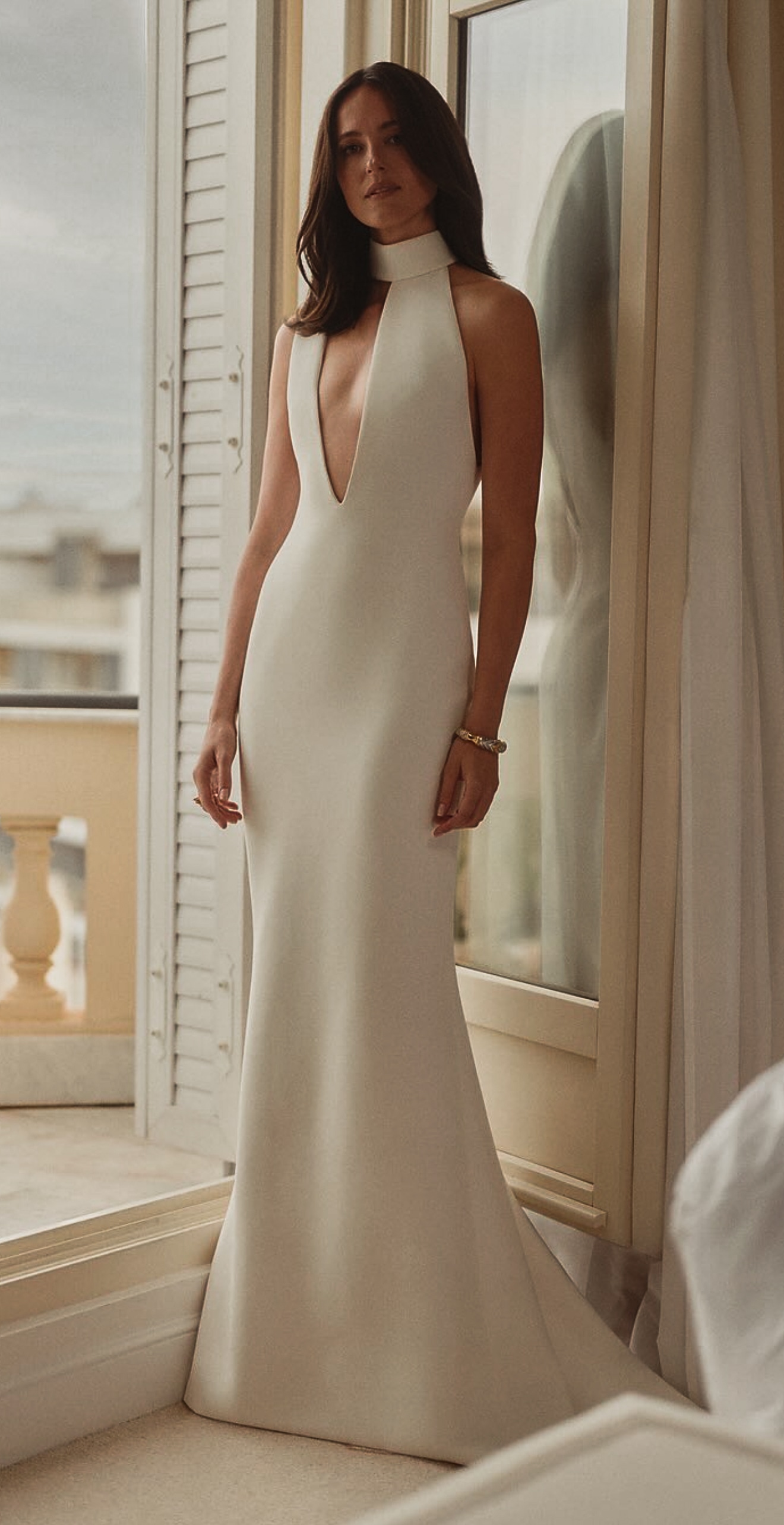
The company has described the absence of a visible logo as part of its exclusivity. It expects the customer to recognise its pieces through the taste of the collections, the quality of the materials and the craftsmanship itself.
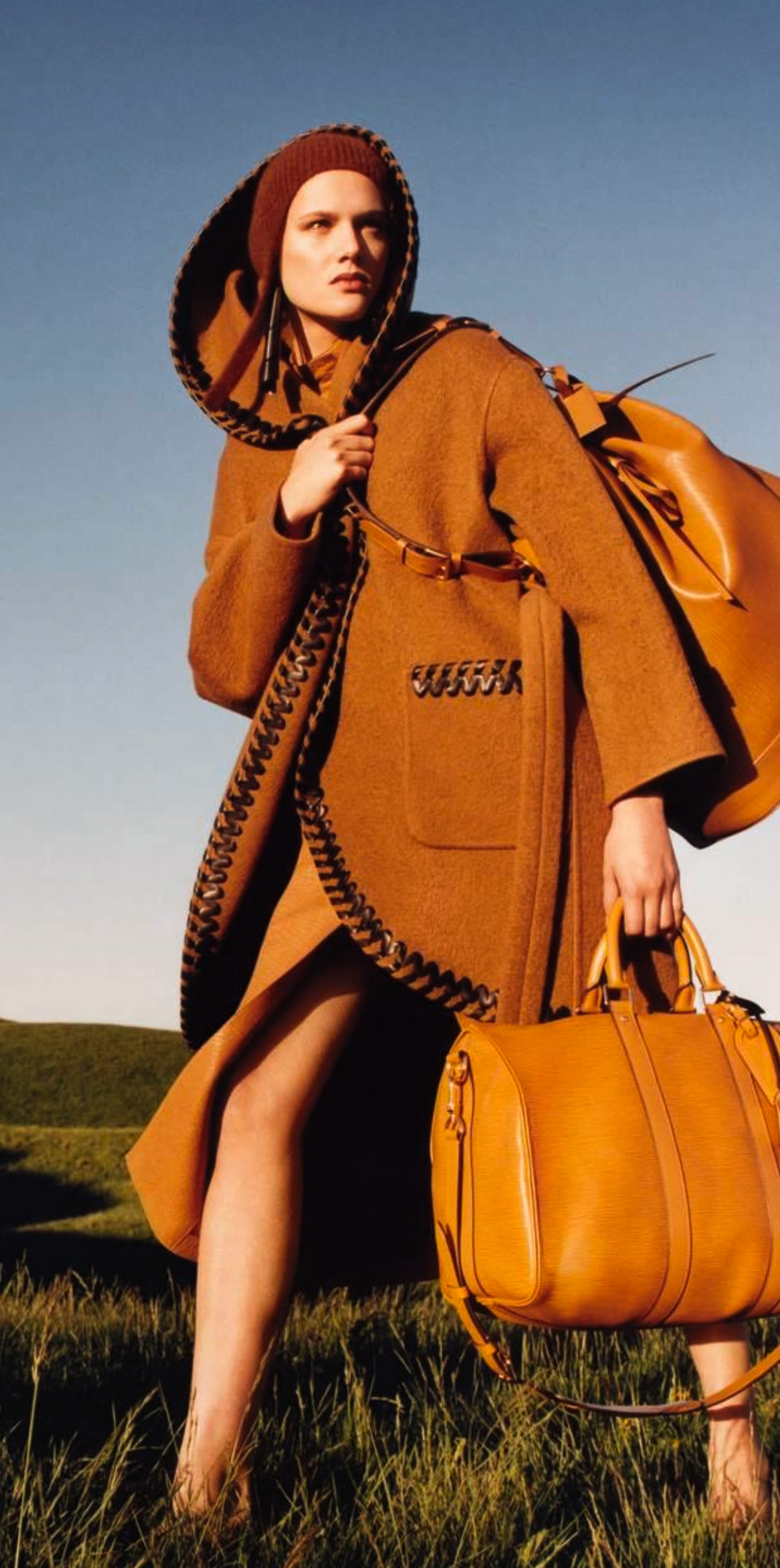
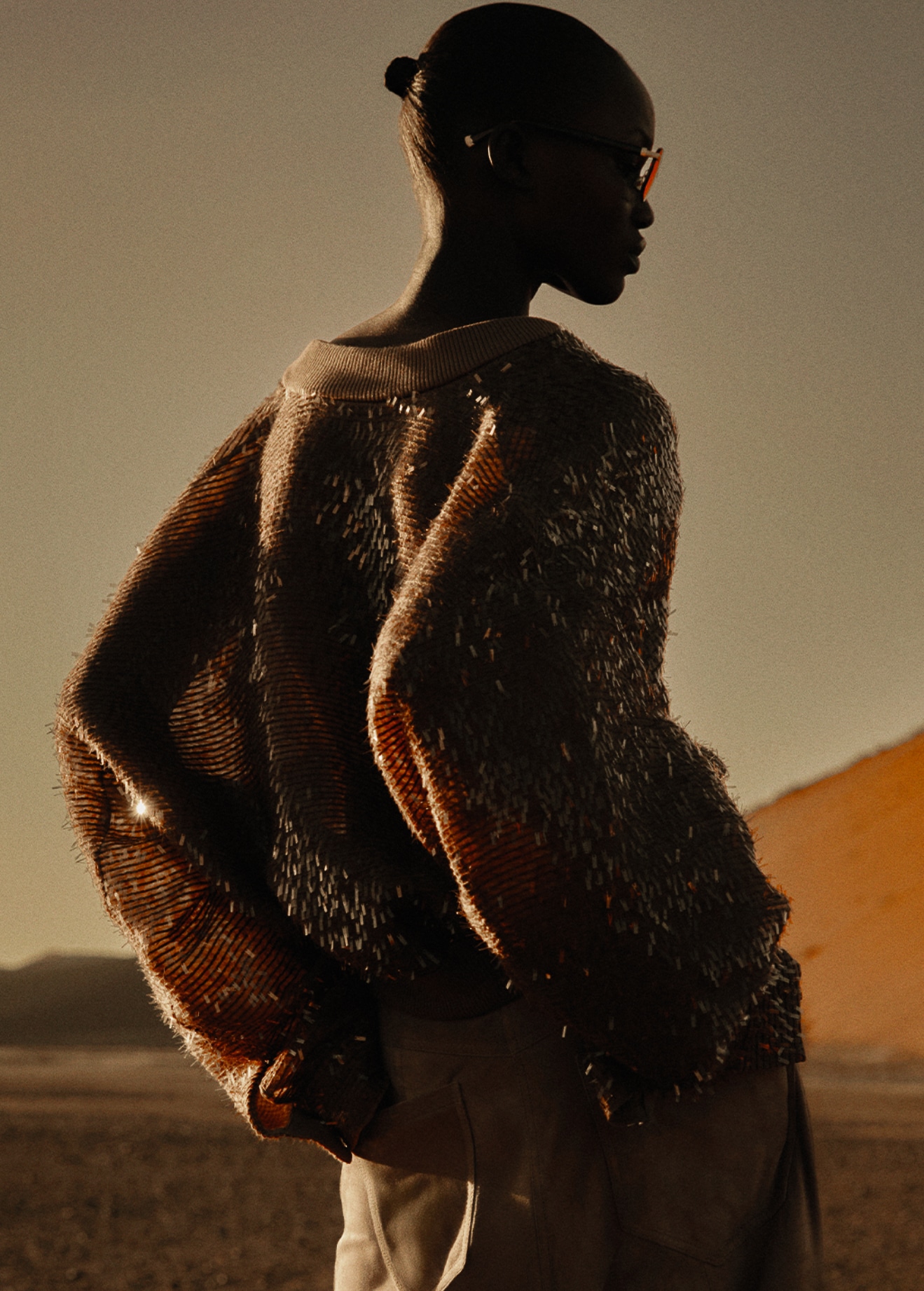
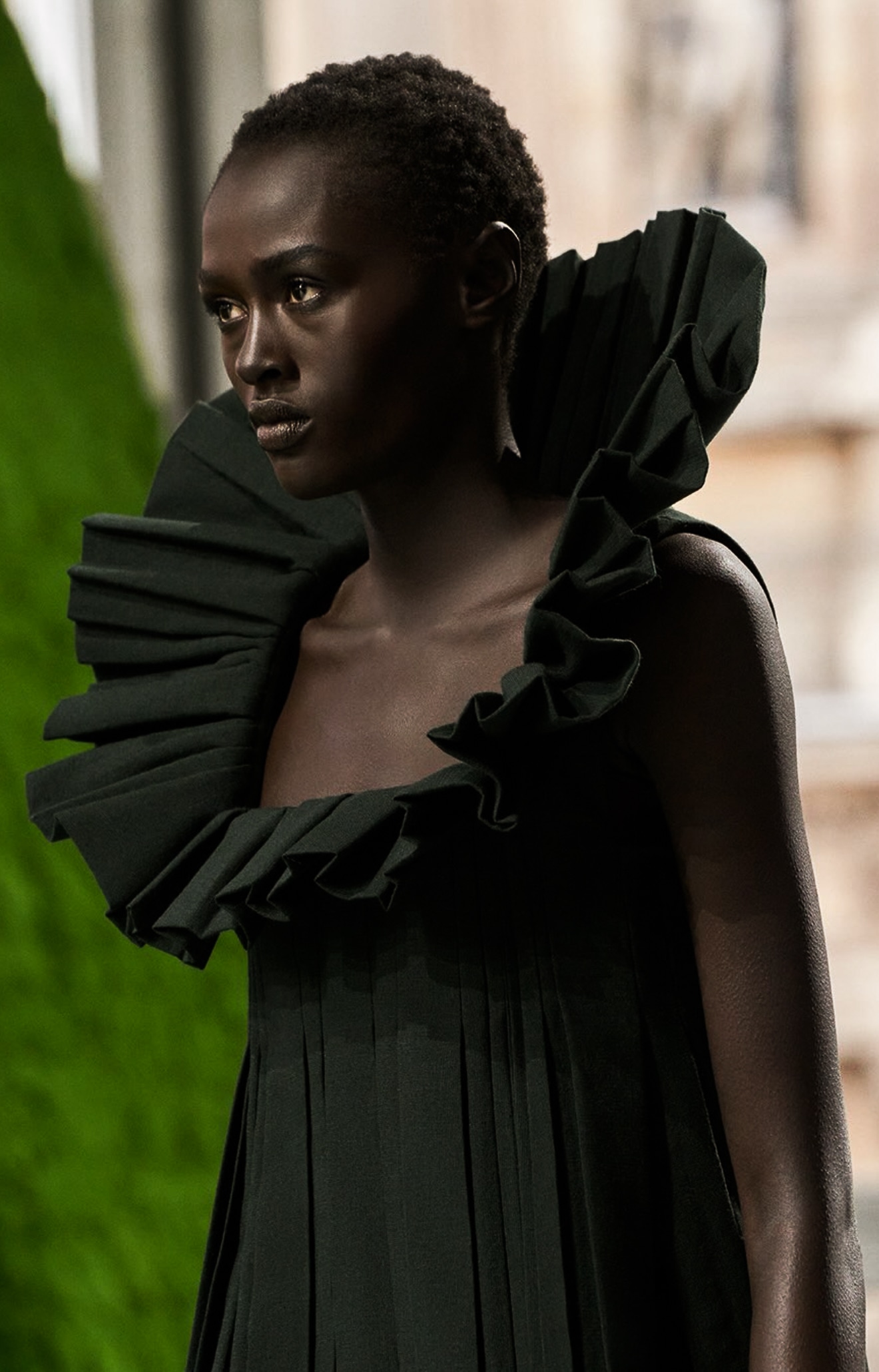
But, as you can see in the photographs, when we look at Louis Vuitton’s runway collections, we do not always see visible logos.
Why?
The identity behind the brand remains the same, but the target clientele may be different.
Some customers want a symbol that can be recognised immediately. Others already recognise the brand through its design, materials, construction and creative language.
And this brings us to the second point.
There comes a moment when we understand that true wealth is not measured by the size of our bank account or by the things we do.
It is measured by who we are, how we live, what we build and achieve, who we share it with and what we leave for future generations.
The same house can speak to different people through different codes.
The real difference may not be between wearing a logo and refusing one.
It might be whether what we wear represents who we are and what we want to represent.
Image sources: Brunello Cucinelli and Louis Vuitton.