Last week I had the chance to visit Tessitura Attilio Imperiali from the inside, in Lurate Caccivio, in the province of Como.
It was one of those visits that stays with you. Curiously, one of the things I thought about most while I was there was a shoe.
When we see a satin shoe, the fabric can seem like a single surface. We think about its shape, its colour, its sheen. Perhaps its comfort. We rarely think that the satin was woven thread by thread before it became part of a shoe.
Leather begins as a hide. Satin begins where threads meet. It sounds obvious when put like that, yet it is easy to forget when we wear the finished piece.
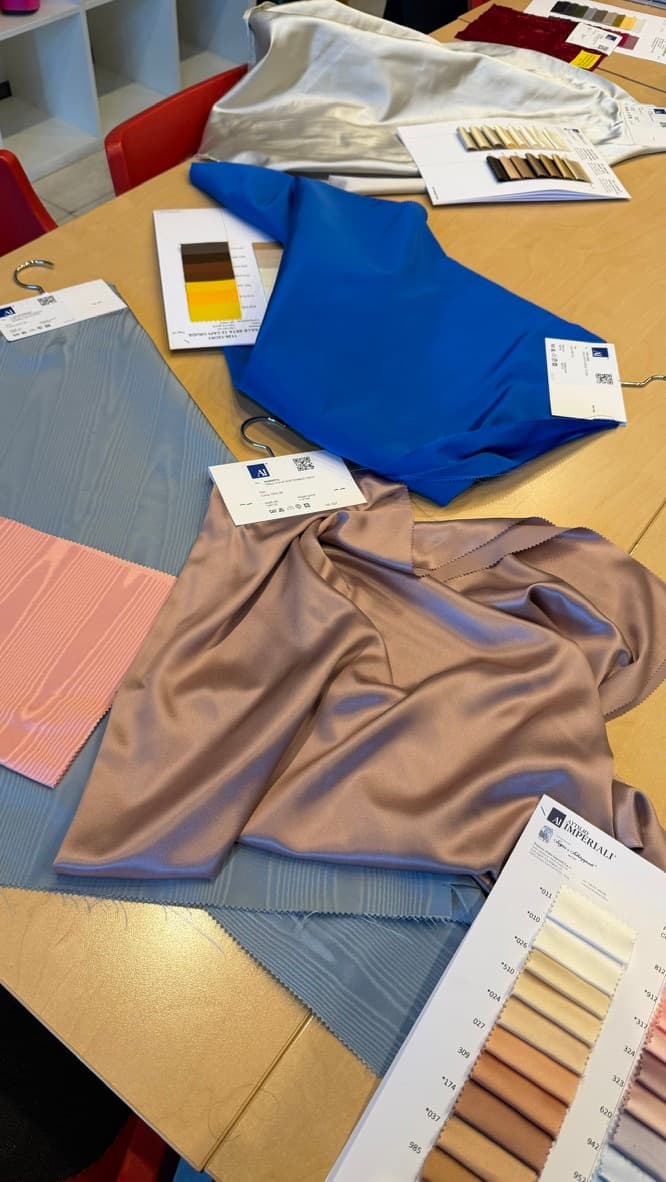
The fabric before the piece
Attilio Imperiali began as a family business connected to silk early in the last century. The work passed from one generation to the next, and the company gradually grew and broadened its range of fabrics.
Today it produces for high-end fashion houses. Among its fabrics is Raso Imperiali, developed for shoes, bags and accessories. Alongside silk, the company works with cotton and other fibres.
I had seen many of these materials from the outside, in collections and finished products. Being inside the weaving mill was another experience altogether.
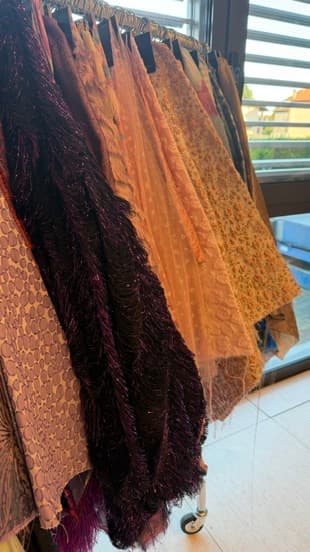
I could touch the fabrics, look through the sample collection and watch the machines. As a fashion designer and a mechanical engineer by training, there is something about that environment that makes me feel at home. The combination of creation, material and mechanism brings back good memories and gives me real pleasure. I like understanding how something takes shape, and there I could see it happening in front of me.
The rhythm of the loom
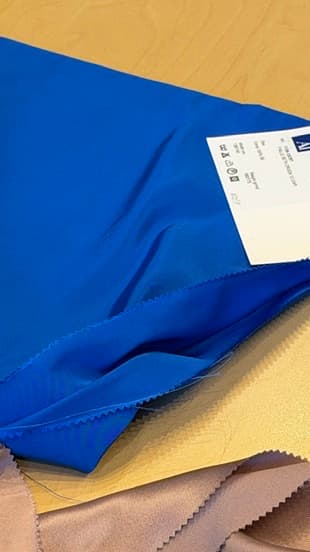
I did not photograph or film some stages, out of respect for privacy. But I can try to describe one image: very fine threads entering the loom, with constant care to ensure the weave comes out as it should. For certain work, the machines run more slowly. Afterwards, the finished fabric is examined closely. If there is an irregularity, it is marked so the person working with the fabric knows where it is. Depending on the case, that section is removed.
It made me think about how we talk about growth in industry. Often the first answer is to make more, faster. There, I saw another decision too: adapt the pace to the material and take time to check the result.
Quality does not come only from choosing a beautiful thread. It depends on many decisions made while the fabric is still being woven.
Long before the final form
And weaving is only one part of the story.
Before it came the fibre, which may have travelled from somewhere else and gone through other processes before becoming thread. Then the fabric enters a project: a drawing, a pattern, a test, a colour choice, a creative idea that sometimes takes a long time to mature. Only then does someone cut, sew and turn it into a garment, a bag or a shoe.
When we look at the finished product, it is easy to imagine its story began with the person who designed or sewed it. The visit reminded me how much longer that chain is, and how many people and kinds of knowledge can be contained in something that looks simple at first glance.
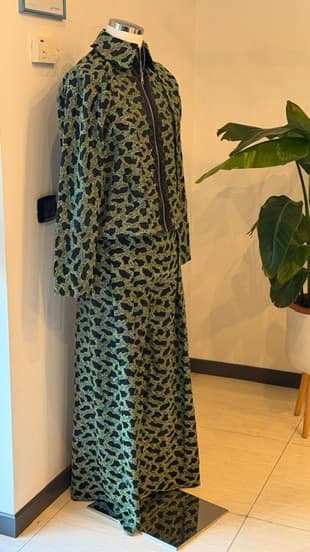
Visiting Attilio Imperiali meant a great deal to me personally. I left remembering why fashion and engineering move me so much: both let me see the invisible work that exists before the final form.
And now, when I look at a satin shoe, I remember the hands and dedication that came before it.