Tuscany has been photographed so many times that it is easy to arrive already knowing what to expect. The cypress road, the Chianti vineyard, the same three hill towns on the same three afternoons. All of it is real. None of it is the whole region.
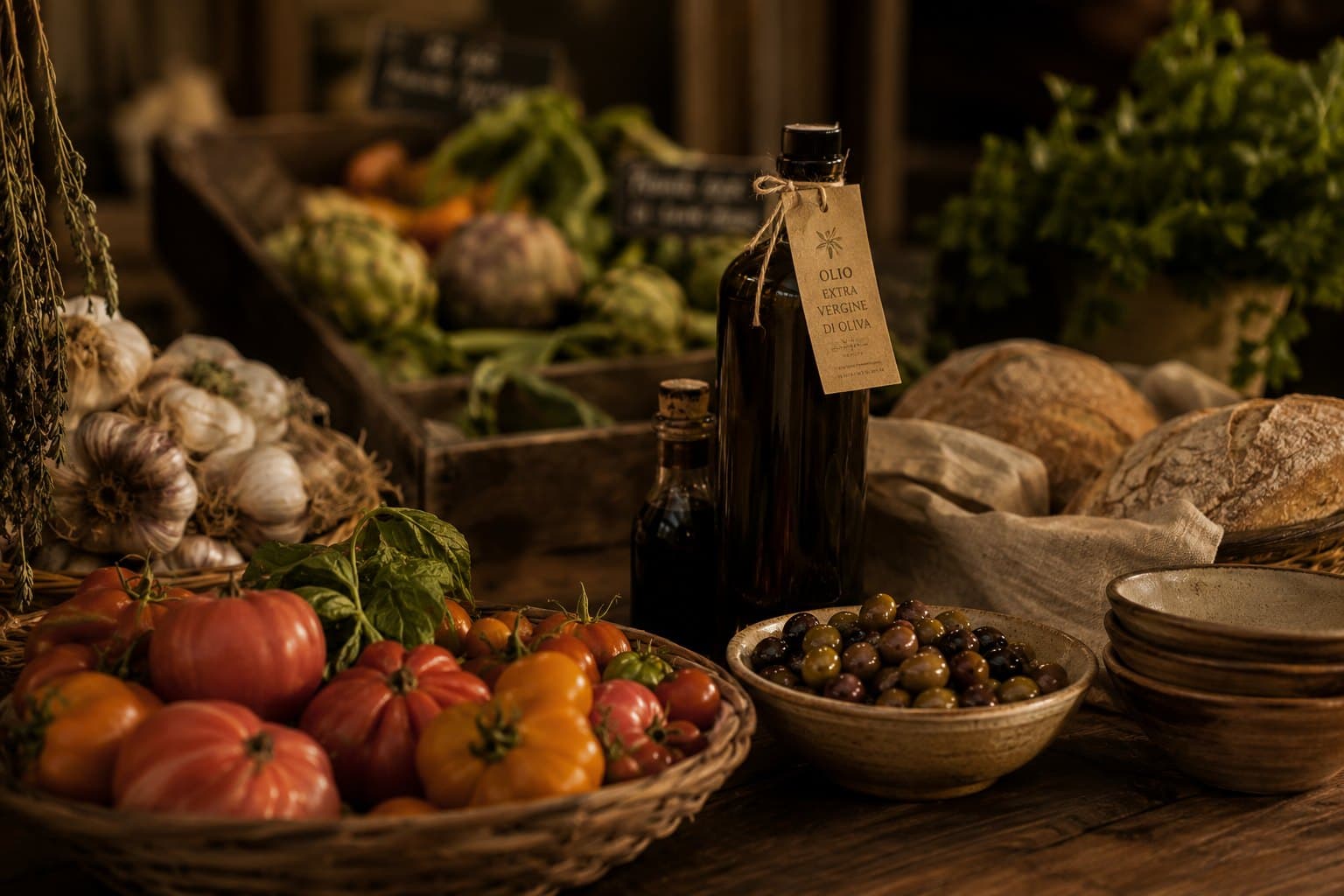
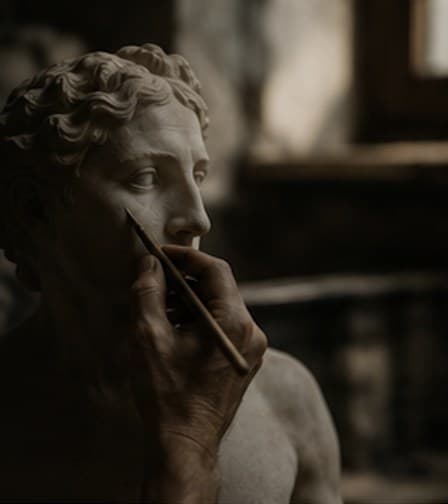
The Tuscany that stays with you tends to be smaller. Volterra, where alabaster is still turned by hand into objects that hold the light. A weekday market in a town no guidebook ranks, where the produce decides what gets cooked. A Florence courtyard where leather is cut the way it was cut a century ago, a few streets from a queue no one in the workshop is standing in.
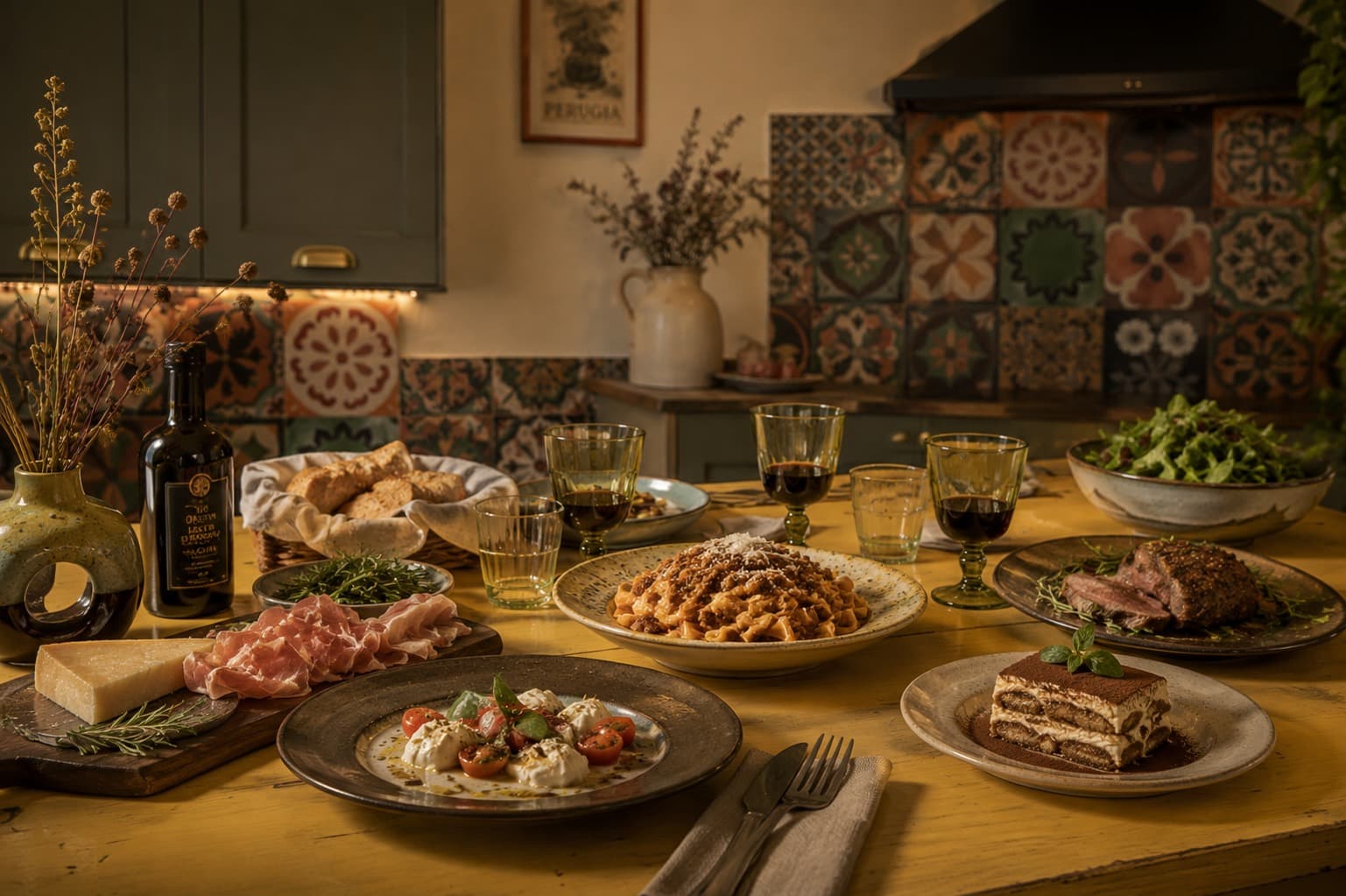
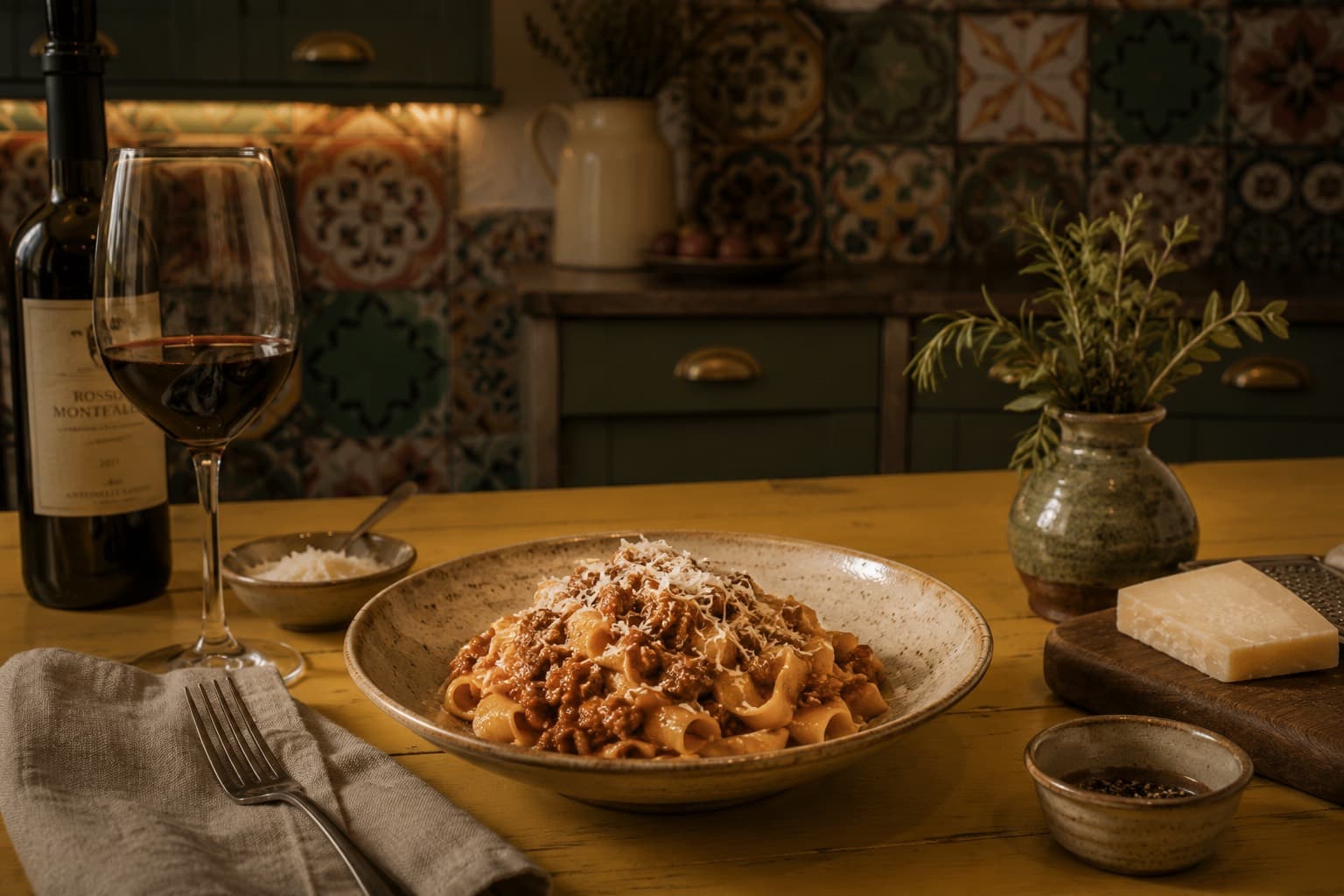
Slow travel here is not a longer version of the same trip. It is a different trip. You trade the checklist for a table, the viewpoint for a conversation, the souvenir for the person who made it. You go where the crowd thins, and you let the day set its own pace.
The simplest way to find that Tuscany is to follow the makers, not the map. Book a morning in a real kitchen, spend an afternoon in a workshop, buy the thing that has a name attached. The obvious Tuscany will still be there. This one you have to choose.