The Øriginal Journal
Wimbledon “banned influencers”. But what was it really protecting?
The question is not who deserves to enter. It is what entering asks of us.
By Lu · 8 September 2026
A ring light came on in the middle of a tennis match.
For the person holding the phone, it may have lasted only a few seconds. On court, it was enough to interrupt the concentration of players whose work depends on reading a ball moving at extraordinary speed.
The latest controversy began at this year’s US Open, where around one hundred content creators received official accreditation, nearly twice the number accredited when the programme began the year before.
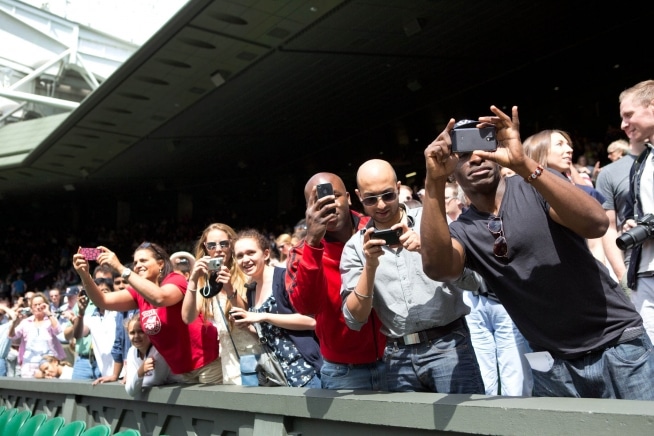
During one match, a group was admonished for recording while a point was being played. Across the tournament, players repeatedly asked the crowd to respect the silence and stillness tennis requires.
The headlines that followed announced that Wimbledon had “banned influencers”.
The reality is more precise.
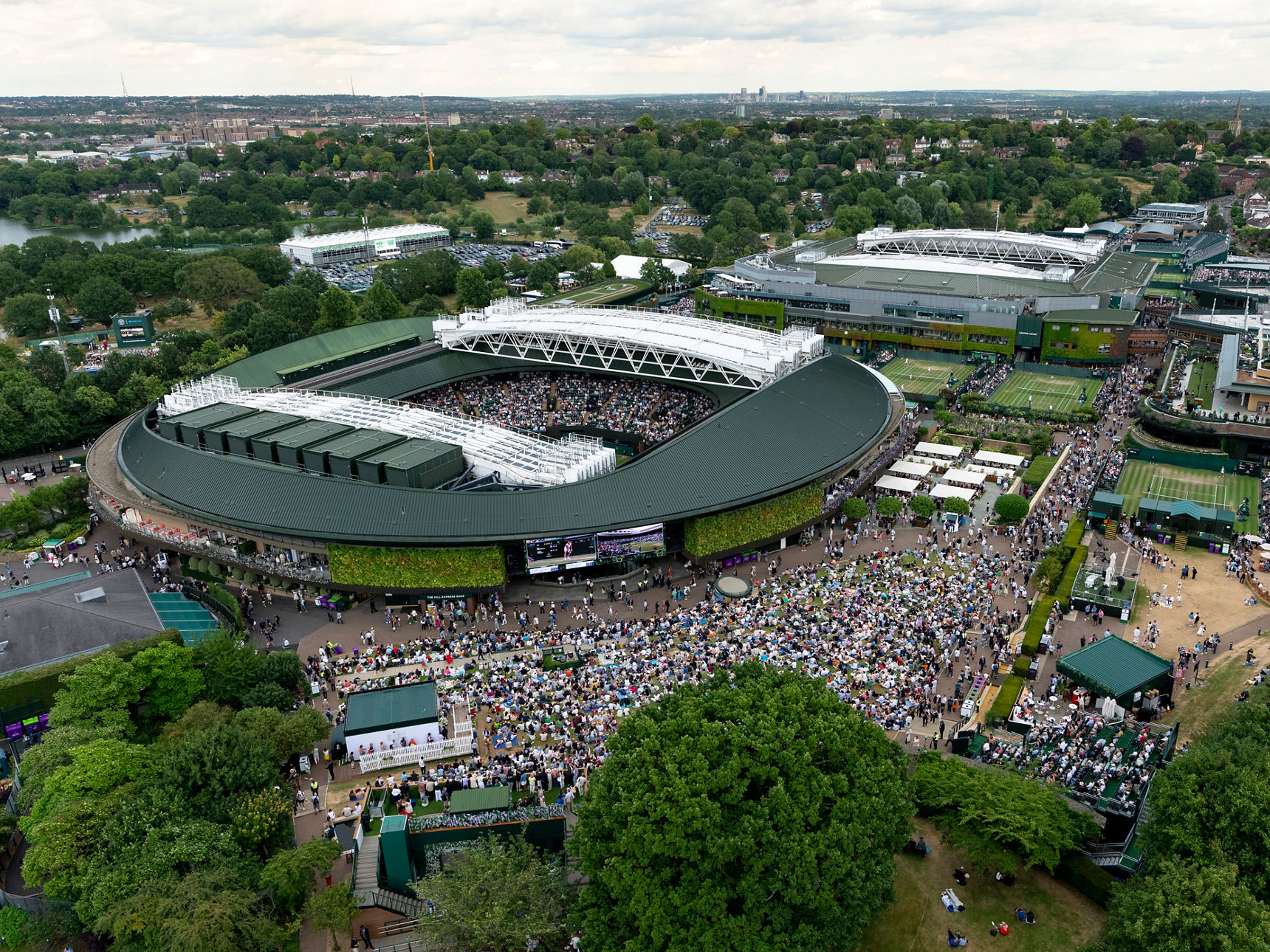
Wimbledon is not prohibiting influencers from attending as ticket holders or guests of brands. The All England Club has said that it will not introduce a dedicated accreditation category for influencers and content creators in 2027. Its existing rules also restrict filming by accredited personnel and prohibit equipment or behaviour that could disrupt play.
It is a distinction worth keeping.
The question is not who deserves to enter.
It is what entering asks of us.
There is nothing inherently disrespectful about photographing a match. A photograph can hold a memory. It can bring someone closer to a sport they have never experienced and allow an extraordinary moment to travel far beyond the court.
The problem begins when we are no longer photographing the experience.
When the experience has become material for the photograph.
At that moment, the centre of the experience shifts. The court becomes a background. The match becomes the interval between posts. The people around us become part of a set they never agreed to enter. Even the players can become secondary to the evidence that we were close enough to see them.
This is why etiquette matters.
At a tennis match, silence during play is not an arbitrary performance of refinement. It protects the concentration on which the sport depends. Remaining seated during a point protects the view of the person behind us. Waiting for the interval before moving or taking photographs allows thousands of strangers to participate in the same experience without continually competing for one another’s attention.
Ritual is not valuable because it excludes. It gives our attention a shared form. It teaches strangers how to inhabit the same moment together.
New audiences are not the problem. Tennis does not lose its glory by reaching a wider audience. It may find new life in it.
But access without context can turn even the richest experience into something to be consumed and forgotten.
Wimbledon becomes a white skirt, strawberries and the right seat.
Formula 1 becomes a paddock pass.
A private atelier becomes a wall against which to pose.
A luxury boutique becomes another location where the phone enters before curiosity does.
The symbol travels further than the knowledge that gave it meaning.
The same contradiction lives inside one of the world’s most desired objects: the Birkin.
Hermès remains one of the clearest expressions of a luxury house built around artisanship, mastery, quality, controlled production, repair and objects intended to be used over time.
The Birkin itself began as a practical response to Jane Birkin’s search for a spacious bag.
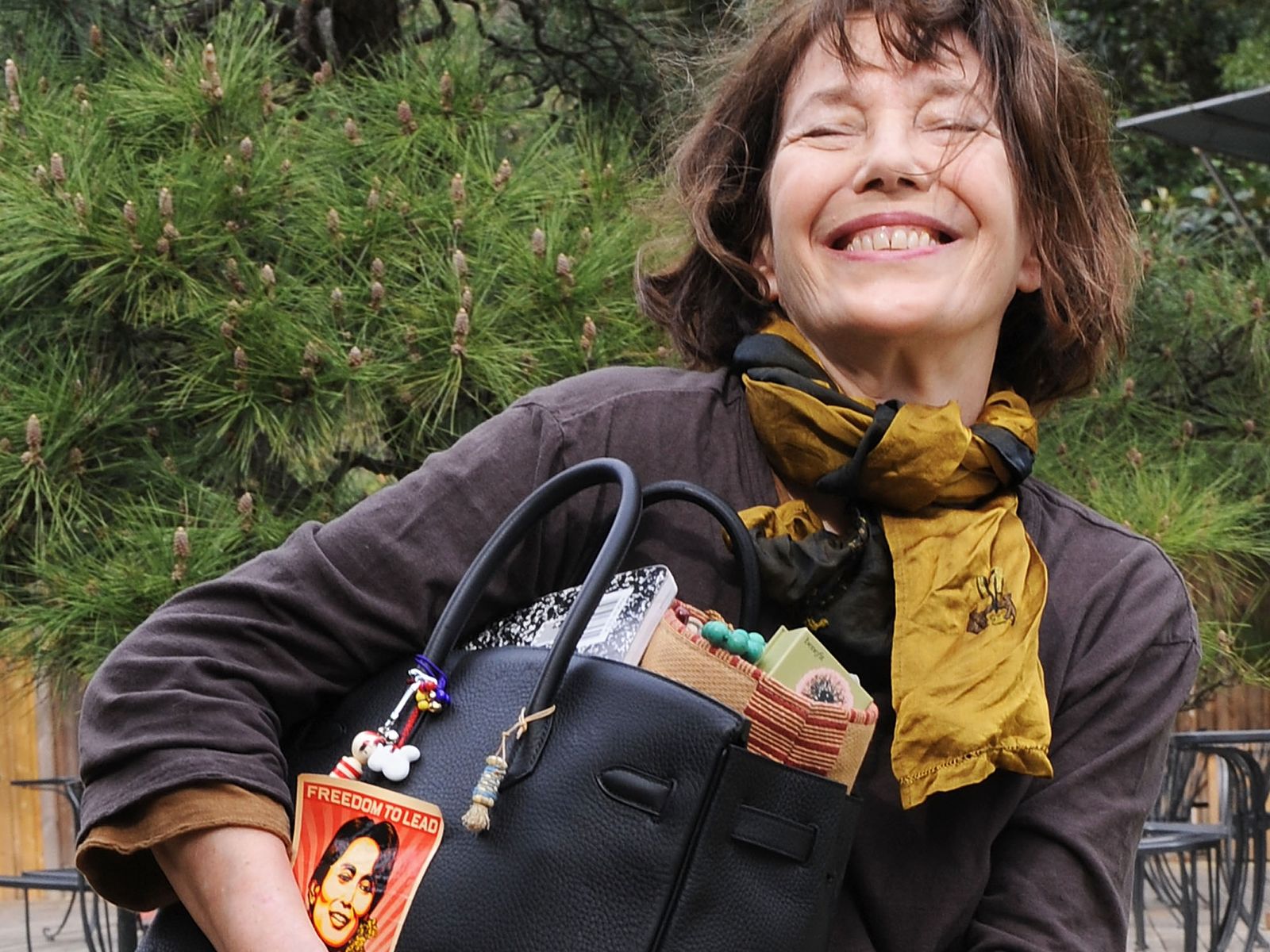

Yet, in contemporary culture, it can be reduced to little more than superficial proof of rarity, access and status.
The bag has not become less skilfully made.
Perhaps our gaze has become less capable of seeing the essence within the object. The meaning beyond its image.
The same is true of a place, a sport or an experience.
Prestige is not diminished because more people enter.
It is diminished when recognisability replaces understanding.
Perhaps respect begins before any rule is explained.
It begins with the recognition that a place was not created only for our image.
There are people working there. People who have waited to be there. People trying to listen, concentrate, serve, make, host or perform.
There is a rhythm already in progress, and entering it means noticing where we have arrived.
Take the photograph.
Then lower the phone and feel the moment.
Not because the photograph is wrong, but because the place has more to give.
Learn when the crowd becomes silent and why. Watch the point develop. Ask the artisan what makes the object difficult to create. Let the place be more than what it can lend to our identity.

Being present does not mean refusing to record the moment.
It means allowing the moment to become more important than the record.
Perhaps the most prestigious thing we can do in a place is not prove that we entered it.
It is to learn how to belong to it, even if briefly.
What is a place whose meaning only became visible after you learned how to be there?