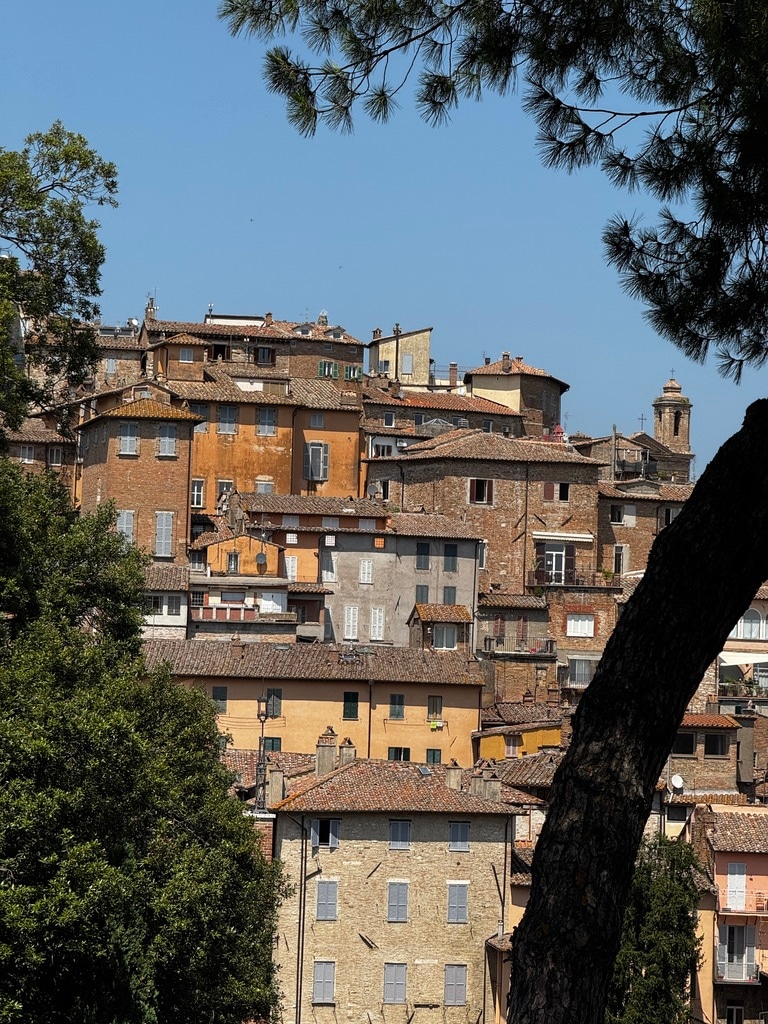
Over the past few months, while travelling across Italy to meet artisans and discover some of the country’s capitals of craftsmanship, the same question has kept coming back to me.
Why do smaller, lesser-known cities that receive fewer visitors often feel more rooted in themselves?
And why, when interest grows and external investment arrives, does development sometimes seem to dilute what made those places desirable in the first place, instead of strengthening it?
Most importantly: does it have to be this way?
I experienced part of this transformation myself.
When I moved to Milan in 2018, I remember discovering a city that felt alive and incredibly stimulating. It was a place that inspired us to create, explore and live freely, regardless of age or where we came from.
Over the years, my relationship with the city changed. The Milan I experience today often feels more polished, more performative and, somehow, less spontaneous. Sometimes it feels as though more and more of the city has become a stage.
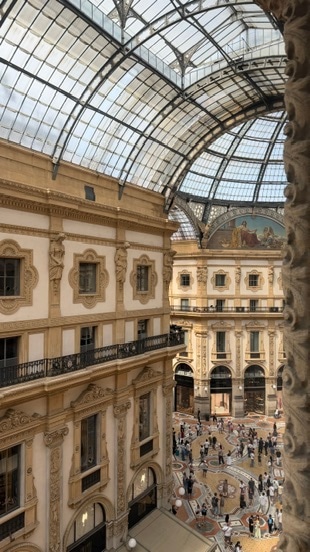
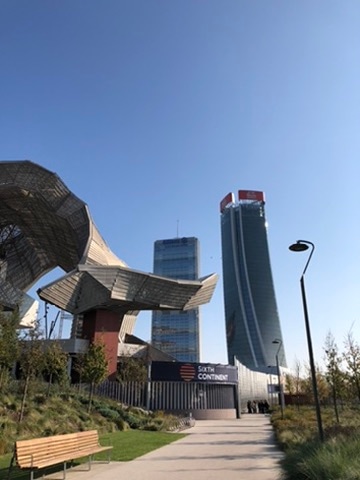
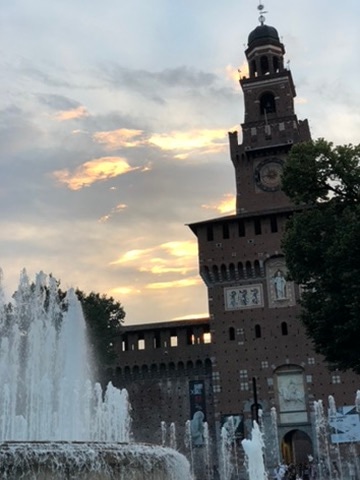
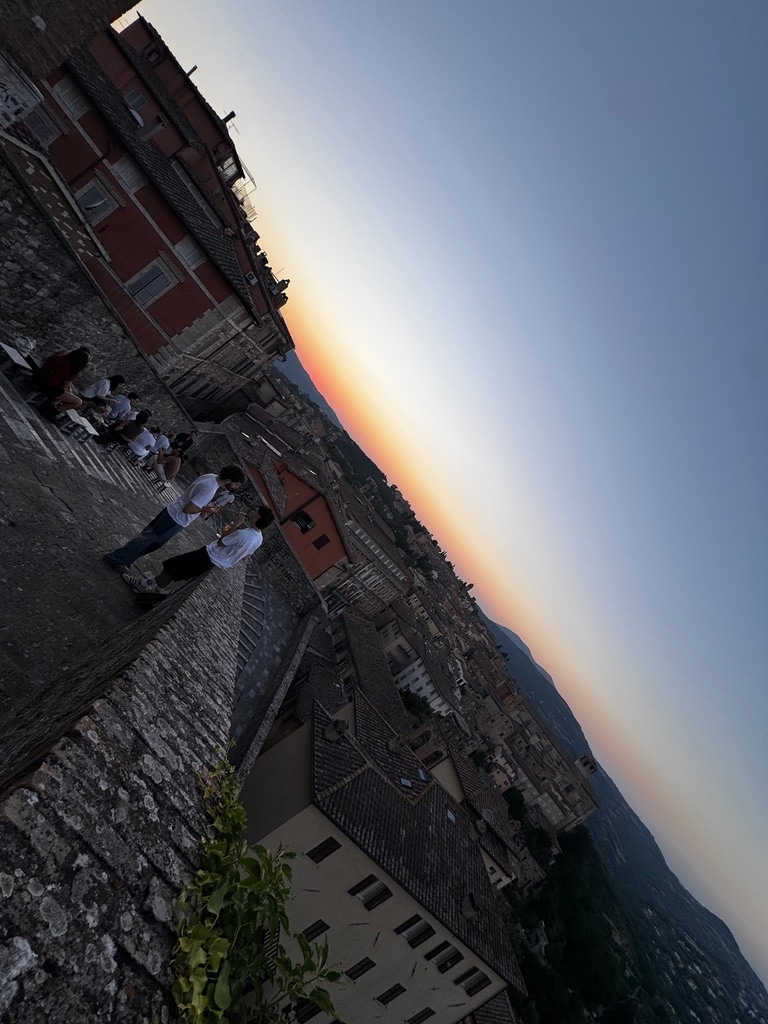
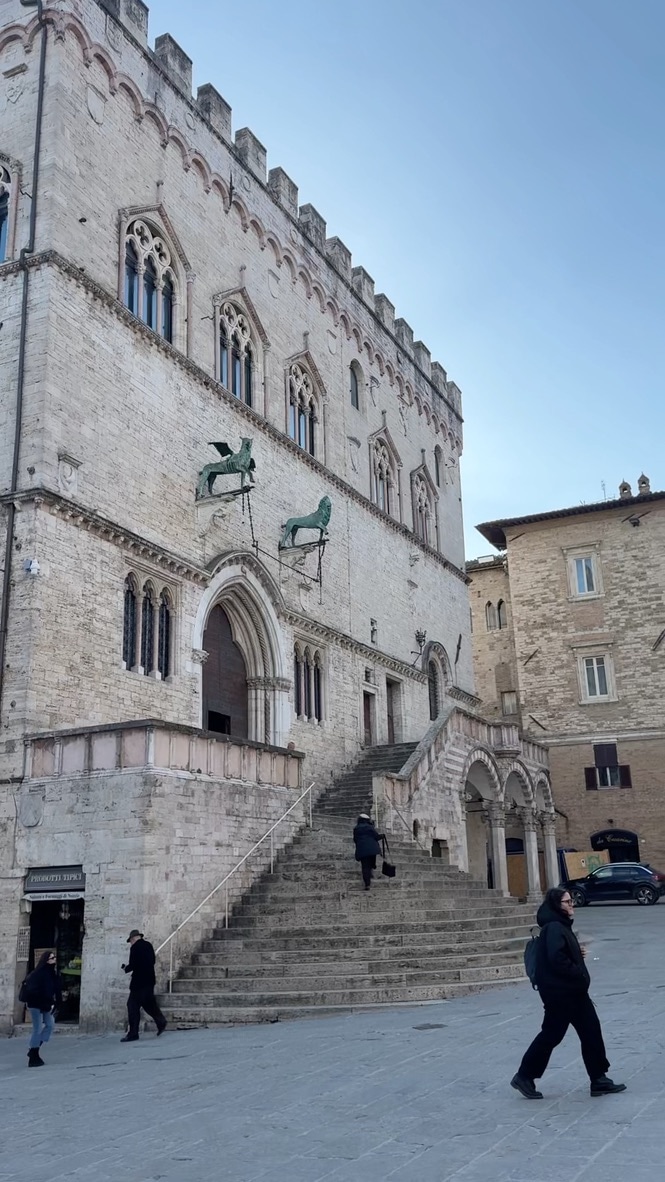
Recently, I moved to Perugia, and the contrast made me curious.
Here, I still see local identity expressed naturally across generations. Small family businesses remain part of everyday life. Artisans still have space. Traditions do not necessarily feel like something recreated for visitors; they simply continue to exist because people still live them.
So I started asking people why.
One answer kept appearing: Perugia is less developed.
Because there is less pressure from large corporations and international investment, there is still enough space for artisans, independent businesses and family-run companies to survive.
But that answer left me with another question.
Should authenticity really depend on a place remaining less economically developed?
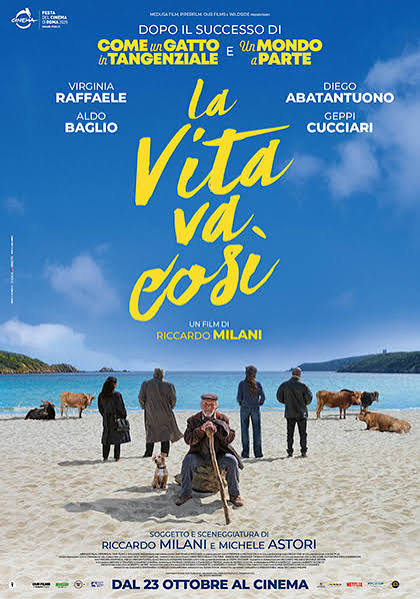
Recently, I watched La vita va così, a film set in Sardinia that puts a very similar tension at the centre of its story: a major hospitality development promises jobs, investment and economic opportunity to a community that needs them, but moving forward also means transforming a landscape and a way of life that already carry enormous value.
One man refuses to sell his land.
From one perspective, his decision stands in the way of progress.
From another, he is protecting something that money may never be able to recreate once it is gone.
And this is where the question becomes much more complicated.
Because preservation sounds beautiful until preserving a place means that the people who live there cannot afford to build a future.
Should someone have to sell a house carrying generations of family memories to achieve financial security?
Should young people have to leave their territory to create opportunities for themselves and their children?
Should communities have to choose between keeping their identity and having a prosperous economy?
Is that really the price of progress?
Or is there a third possibility?
A model in which development arrives without replacing what was already there. Where prosperity strengthens local culture instead of slowly pushing it aside. And, importantly, where a meaningful part of the value created remains with the people who made that place valuable in the first place.
There is something I have noticed living in Italy that feels very different from the business cultures I encountered in places such as the United States and Latin America.
Here, I often meet entrepreneurs who do not necessarily dream of becoming enormous.
There is a sense of “this is enough for me.”
My time matters. My family matters. Doing something properly matters. Producing more is not automatically better than producing well.
And I find something incredibly valuable in that.
But there is a problem.
Choosing not to maximise growth should not mean choosing financial fragility.
Quality needs to coexist with prosperity.
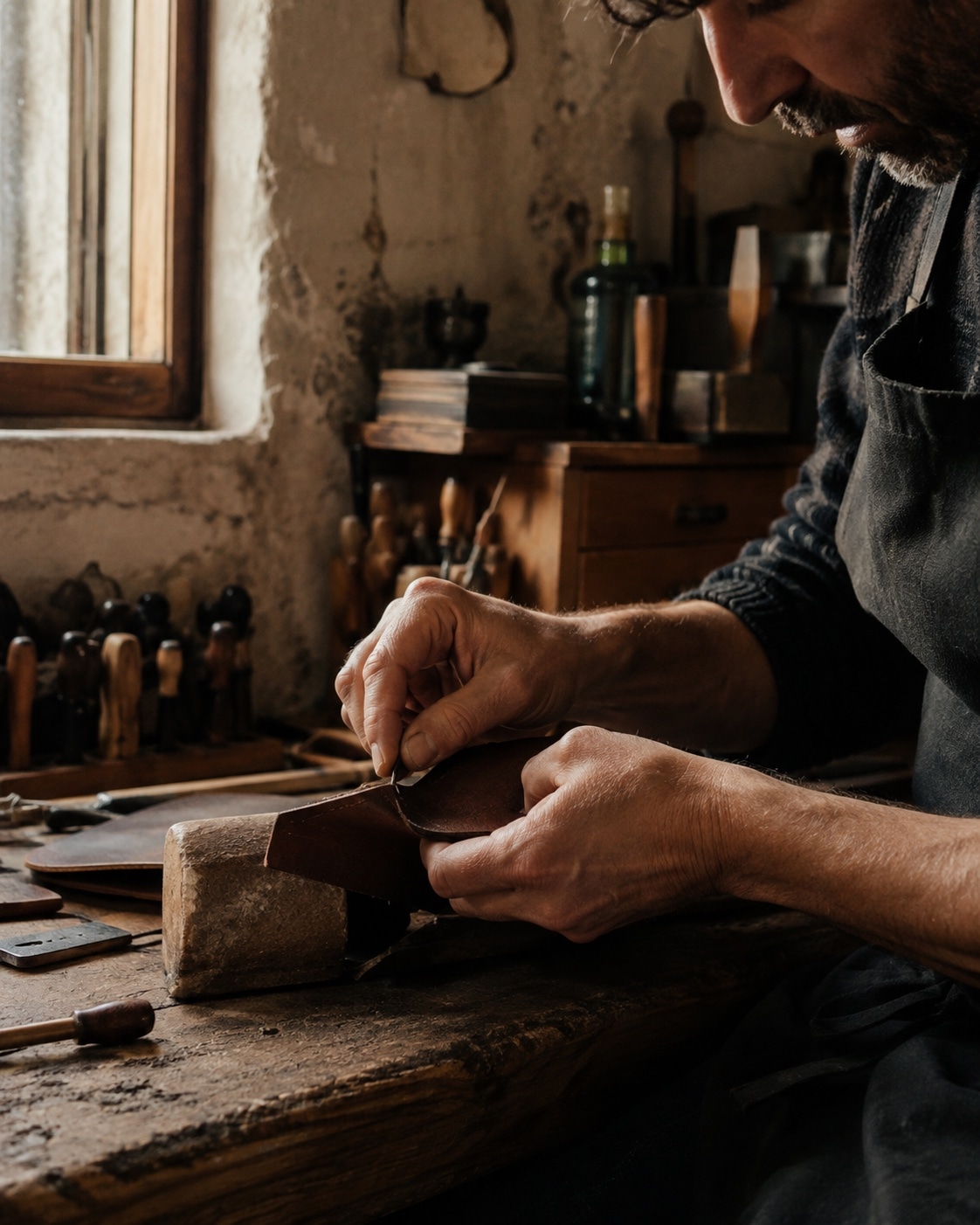
A small family business should be able to remain small by choice, not because it lacks opportunity. An artisan should be able to protect the time required by their craft while earning enough to sustain it. A local hotel should not need to become a chain to build a financially healthy business.
Because economic independence gives people something incredibly important:
the ability to say no.
No when an offer requires sacrificing too much.
No when growth would destroy the quality of the work.
No when external investment would replace rather than strengthen what already exists.
And perhaps this is where our understanding of development needs to change.
What if the objective was not to make every small business bigger, but to make exceptional small businesses more valuable?
What if artisans, producers, restaurants, independent hotels and family businesses had the visibility, business knowledge, technology and access to market required to reach people around the world without having to become something fundamentally different?
Today, for the first time, the tools to do that are increasingly accessible.
A small producer no longer necessarily needs an enormous distribution network to be discovered internationally. A family hotel can reach guests directly. An artisan can tell the story behind a piece to someone thousands of kilometres away. A territory can become desirable without first being transformed into a product designed for mass tourism.
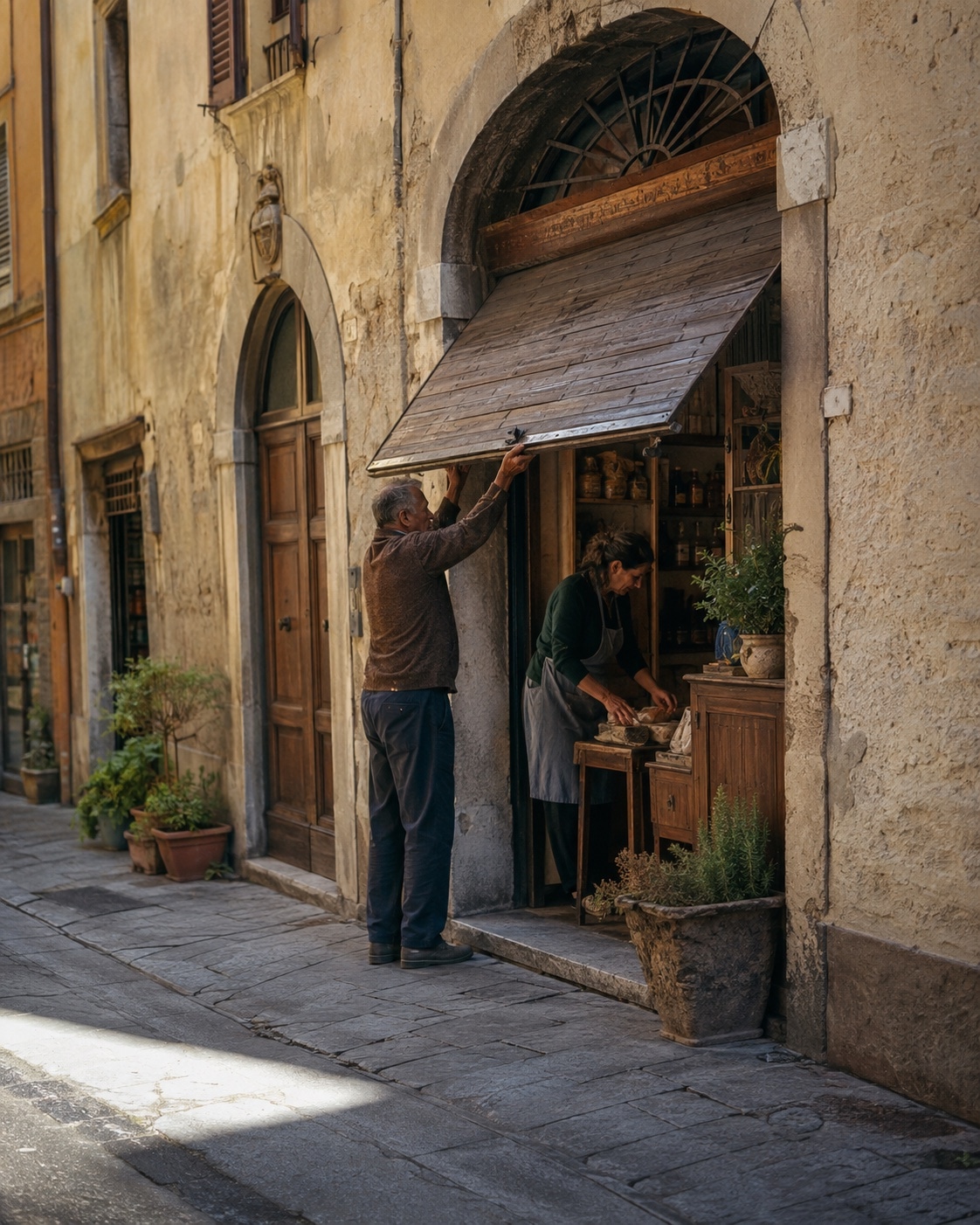
And that makes me return to the dilemma at the centre of La vita va così.
What if the community itself had been economically strong enough to create opportunity without depending entirely on someone from outside to create it for them?
Perhaps the real question is not whether investment and development should reach places like these.
Of course they should.
The question is who gets to shape what happens when they do.
Because Perugia does not need to become Milan to prosper.
A village in Sardinia does not need to become another international resort destination to create economic value.
And an artisan producing 200 exceptional pieces does not need to start producing 200,000 to build a successful business.
There is another model of growth: one in which prosperity does not require sameness.
One where a place can become more visible without becoming less itself.
Where development gives local people more choices instead of eventually replacing them.
Where the future is built not by freezing culture in the past, but by giving the people who carry it the economic means to keep evolving it.
Because preserving what is Øriginal has never meant resisting progress.
It means making sure that the people who made a place worth discovering have the power to participate in and lead what it becomes next.
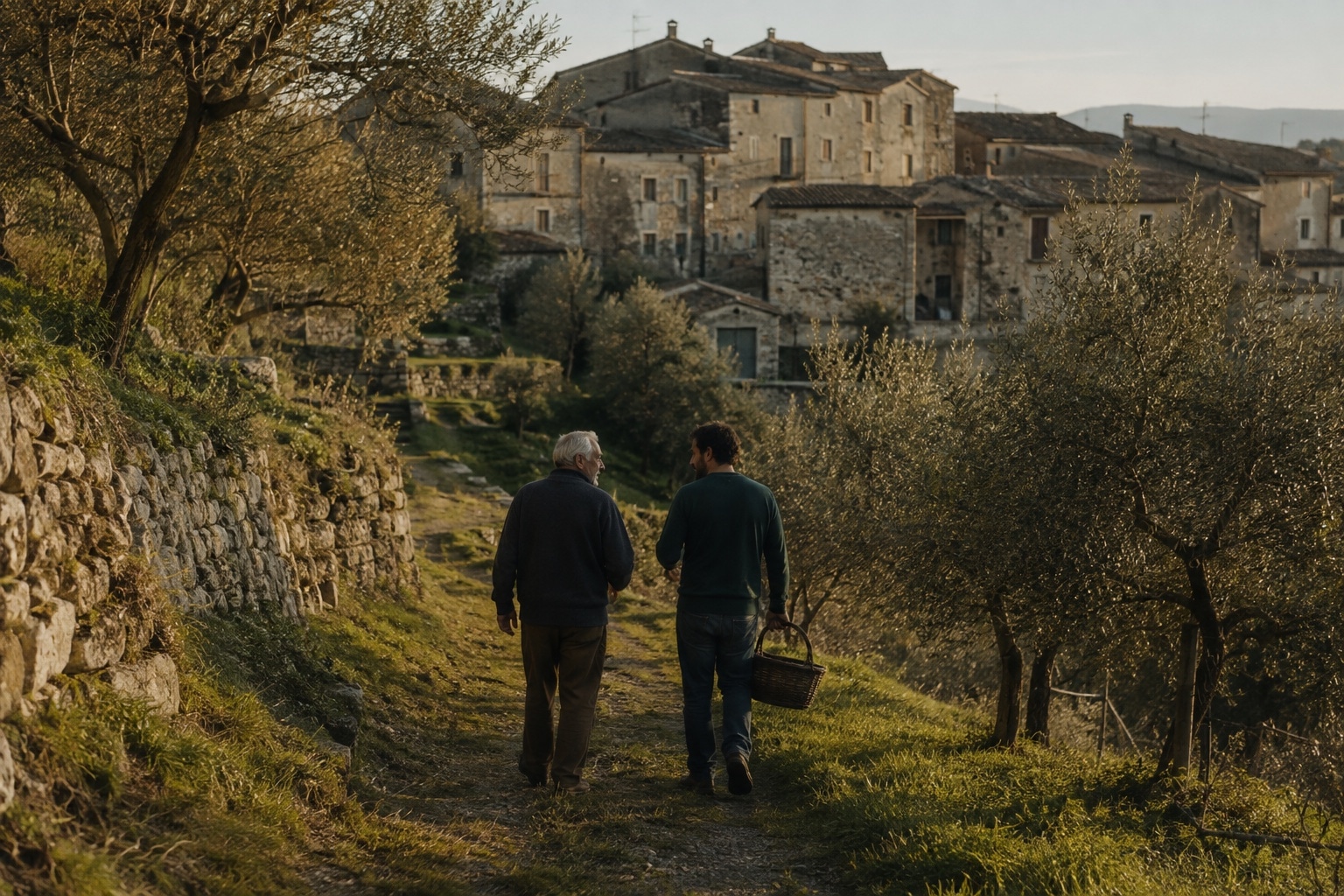
And this is precisely the future Ca’Øriginale wants to help make possible.
Not by deciding how a place should develop, but by bringing people closer to the makers, businesses and cultural realities that give it identity. By making their value easier to discover, recognise and choose.
Because preserving Øriginality should not mean keeping places small, hidden or fixed in the past.
It should mean allowing what already carries value to prosper without having to become something else.