Fifteen installations. Hundreds of objects. A month of programmes across Venice.
The first instinct is to see everything.
We open the map. We calculate the rooms. We photograph one piece while already thinking about the next. By the end, our camera may remember more than we do.
Homo Faber 2026 offers an extraordinary concentration of contemporary craftsmanship at the Fondazione Giorgio Cini throughout September. This year’s theme, An Island of Light, explores the relationship between light, material and the human hand.
It is exactly the kind of event that can trigger FOMO.
And perhaps exactly the kind of event that deserves JOMO instead.
The joy of missing out is usually presented as a retreat from an overstimulated life. At Homo Faber, it can become a method of seeing.
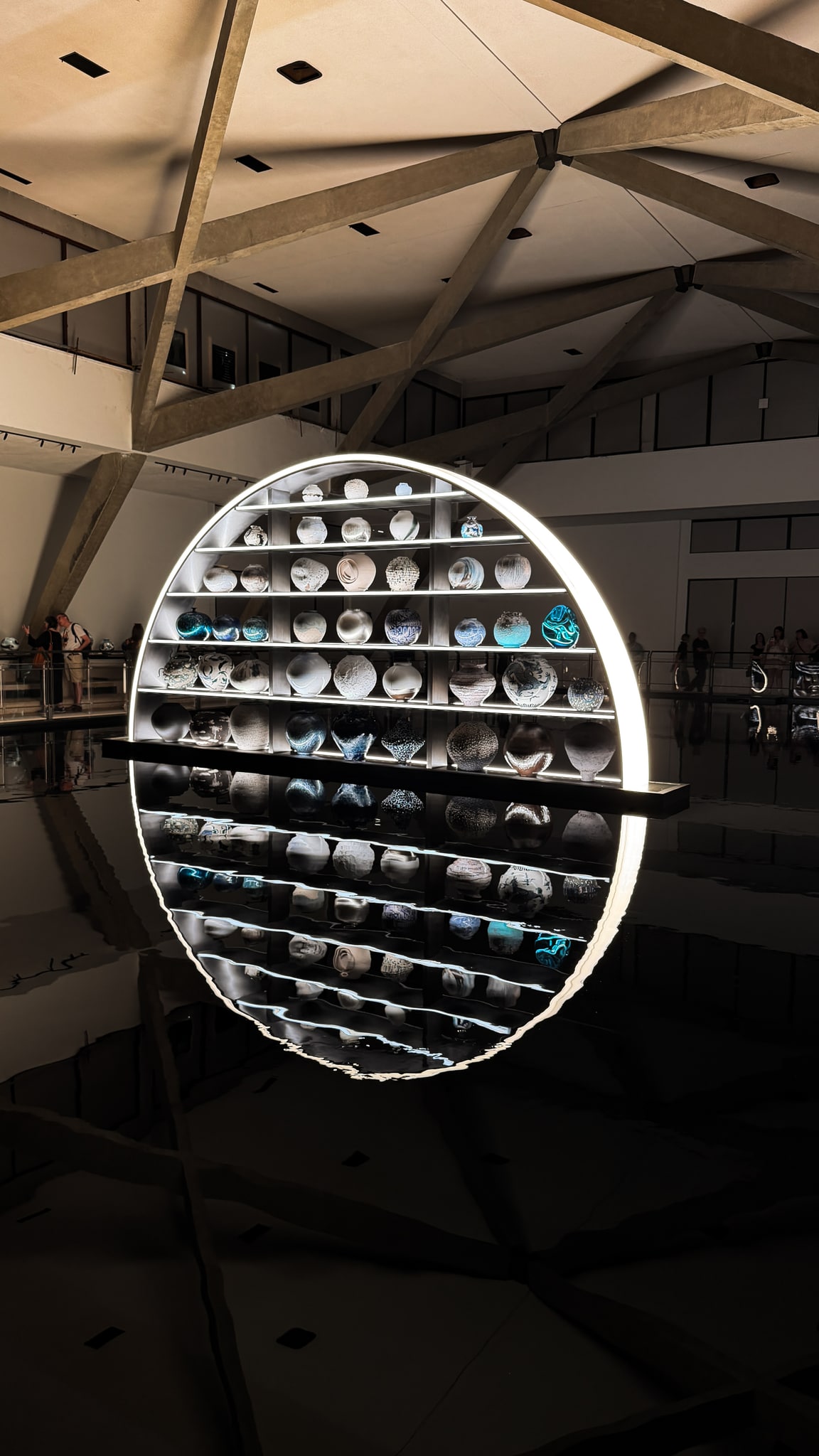
An invitation to look
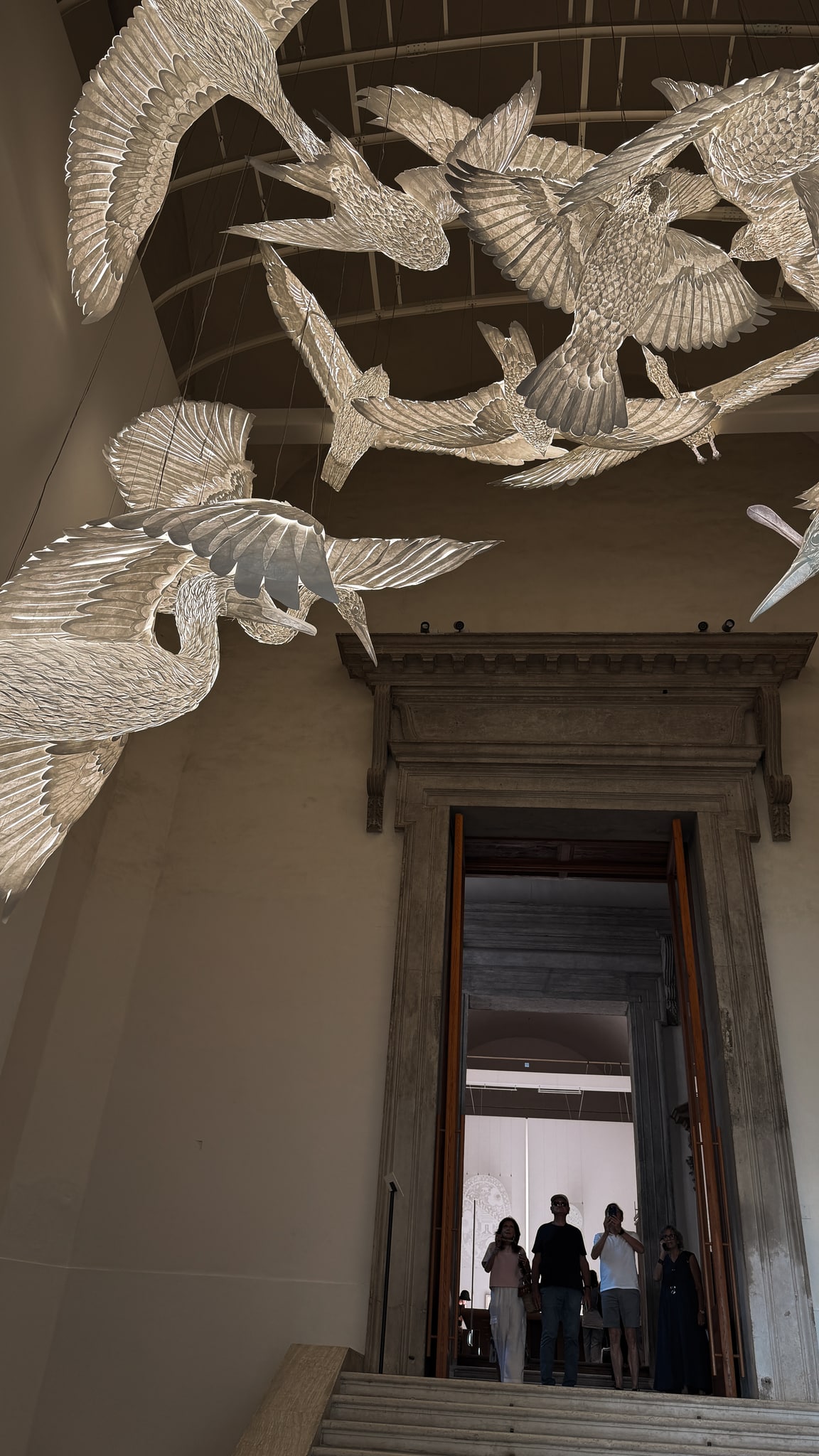
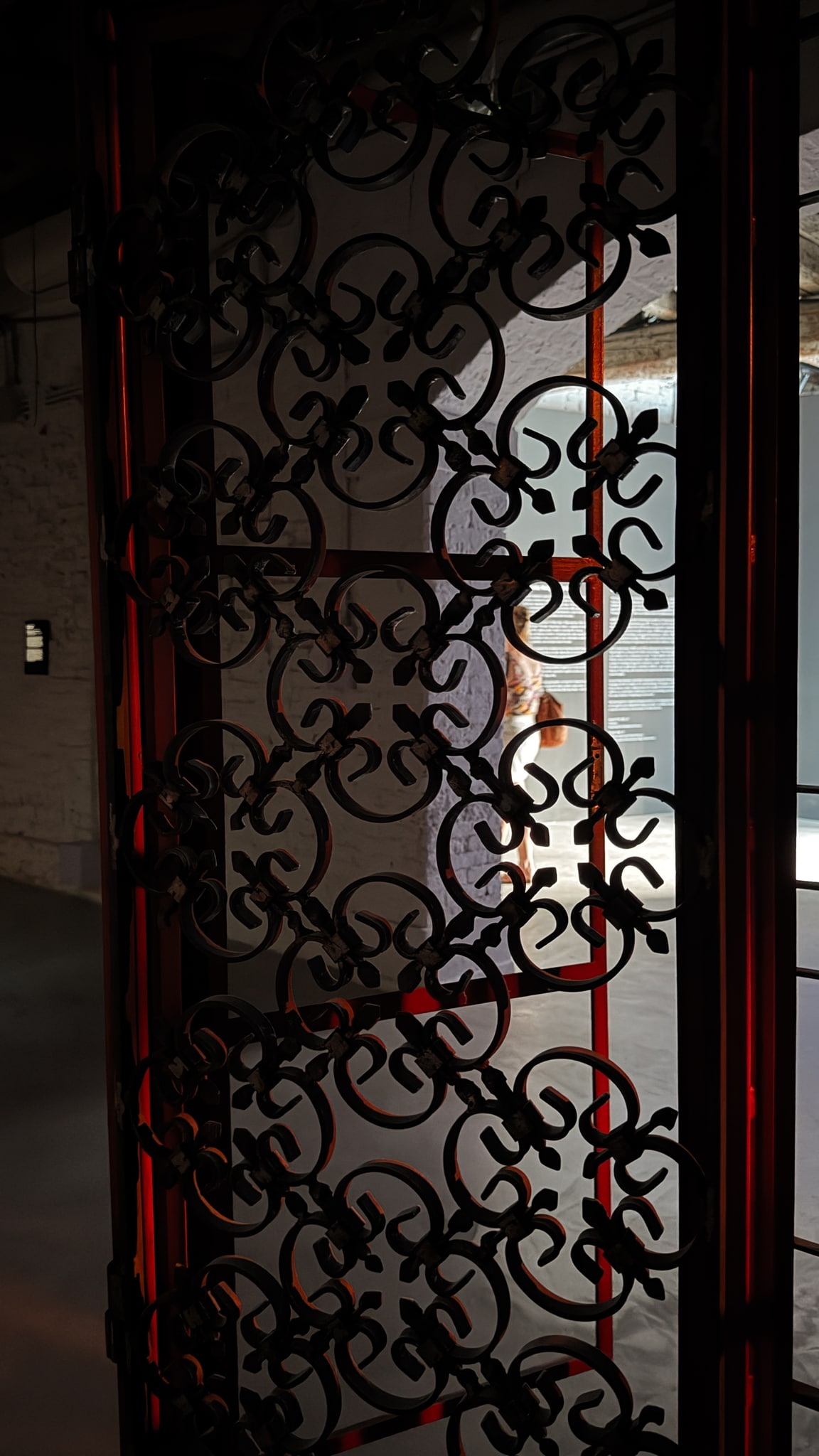
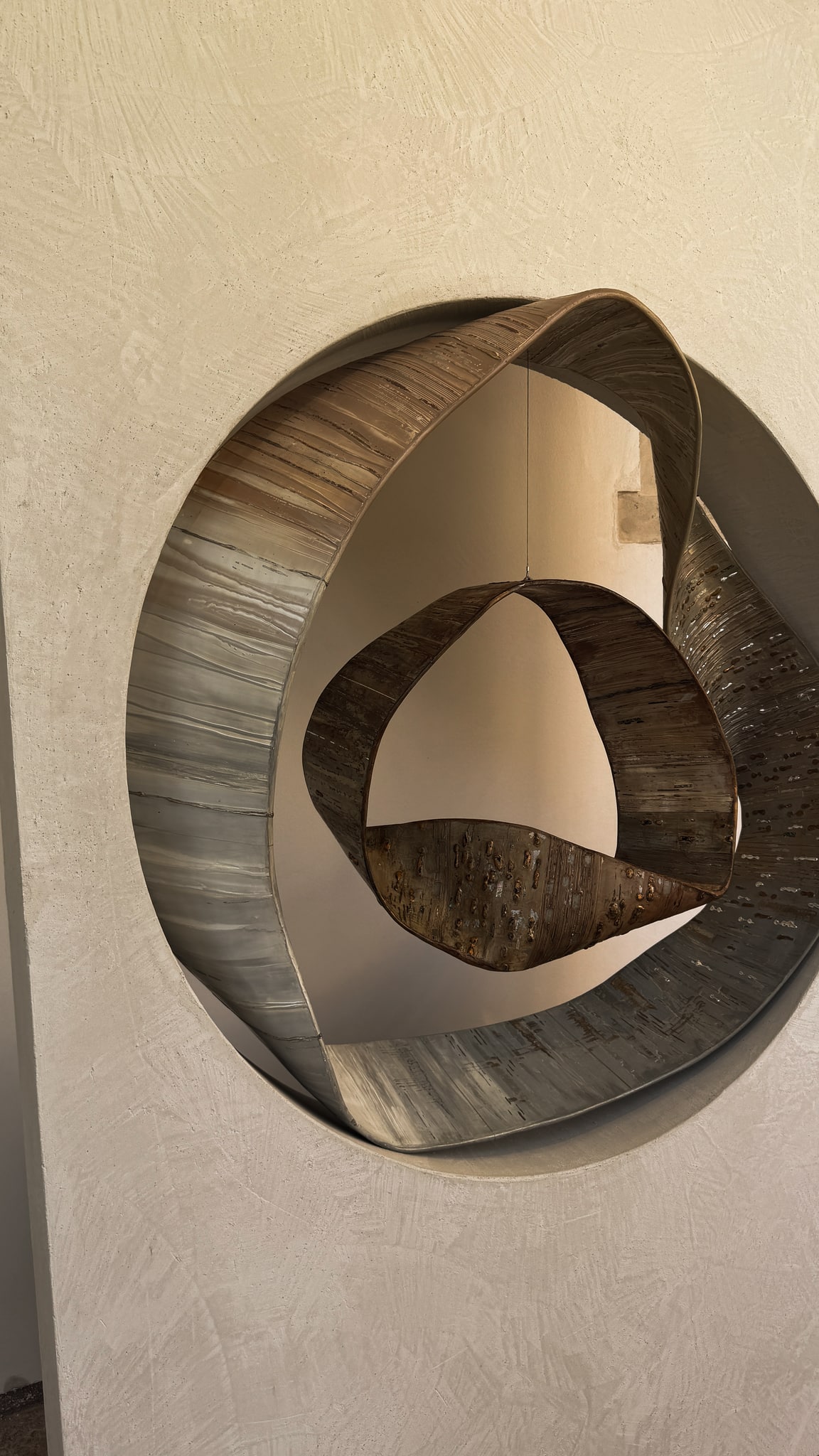
Choose one installation without deciding in advance how quickly you will leave it. Without a fixed schedule dictating what deserves your attention next.
Let your curiosity keep you with one object long enough for the first impression to dissolve.
Notice where the surface changes. Look for the point at which one material meets another. Ask one of the hosts, or an artisan when present, which part could only have been resolved through judgement rather than instruction.
Stay for a conversation.
The answer to a simple question may reveal more than an entire room.
Why this fibre? What failed before this form worked? Which gesture cannot be hurried? What does the maker notice that the rest of us usually overlook?
Stay with the detail
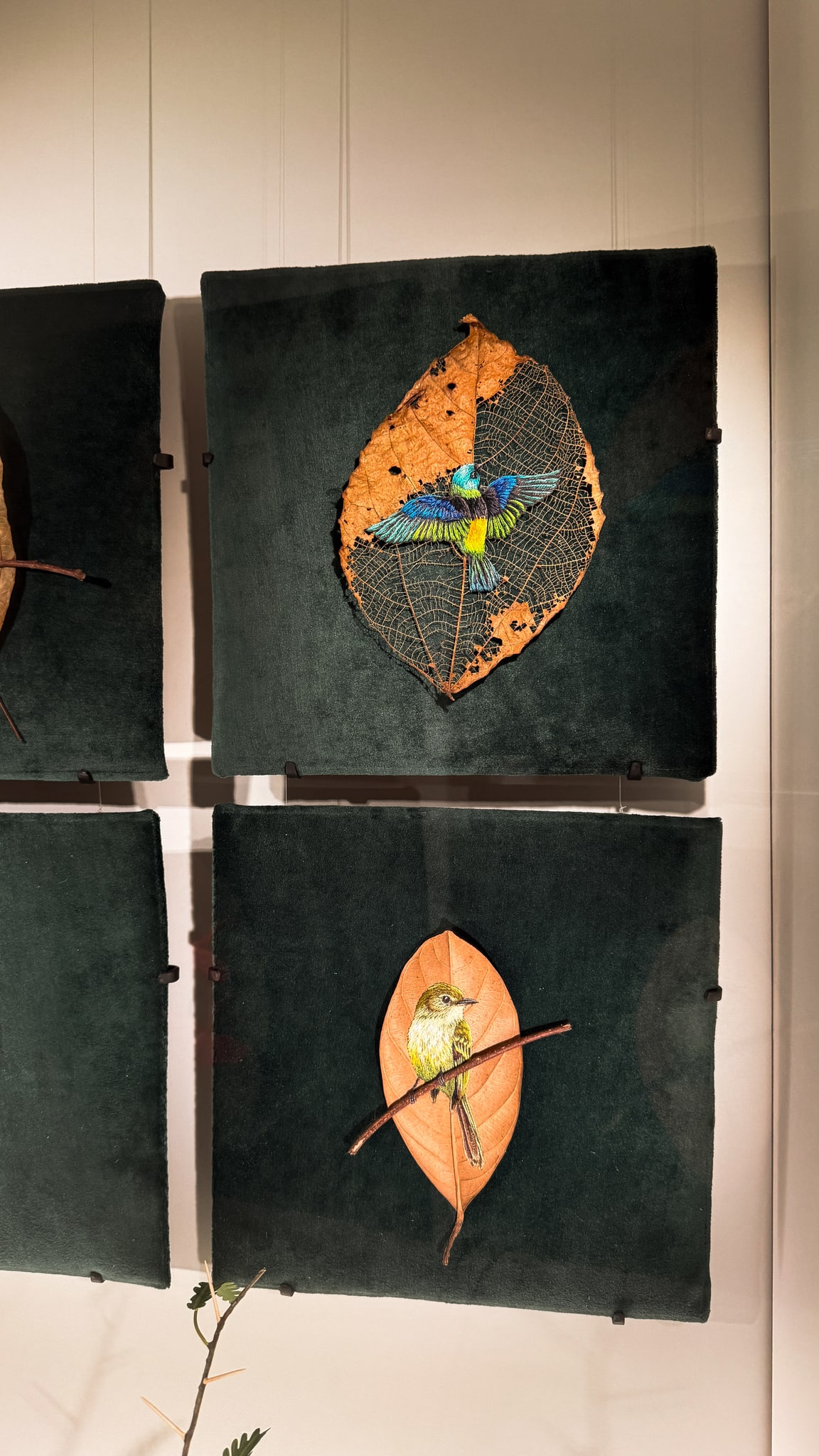
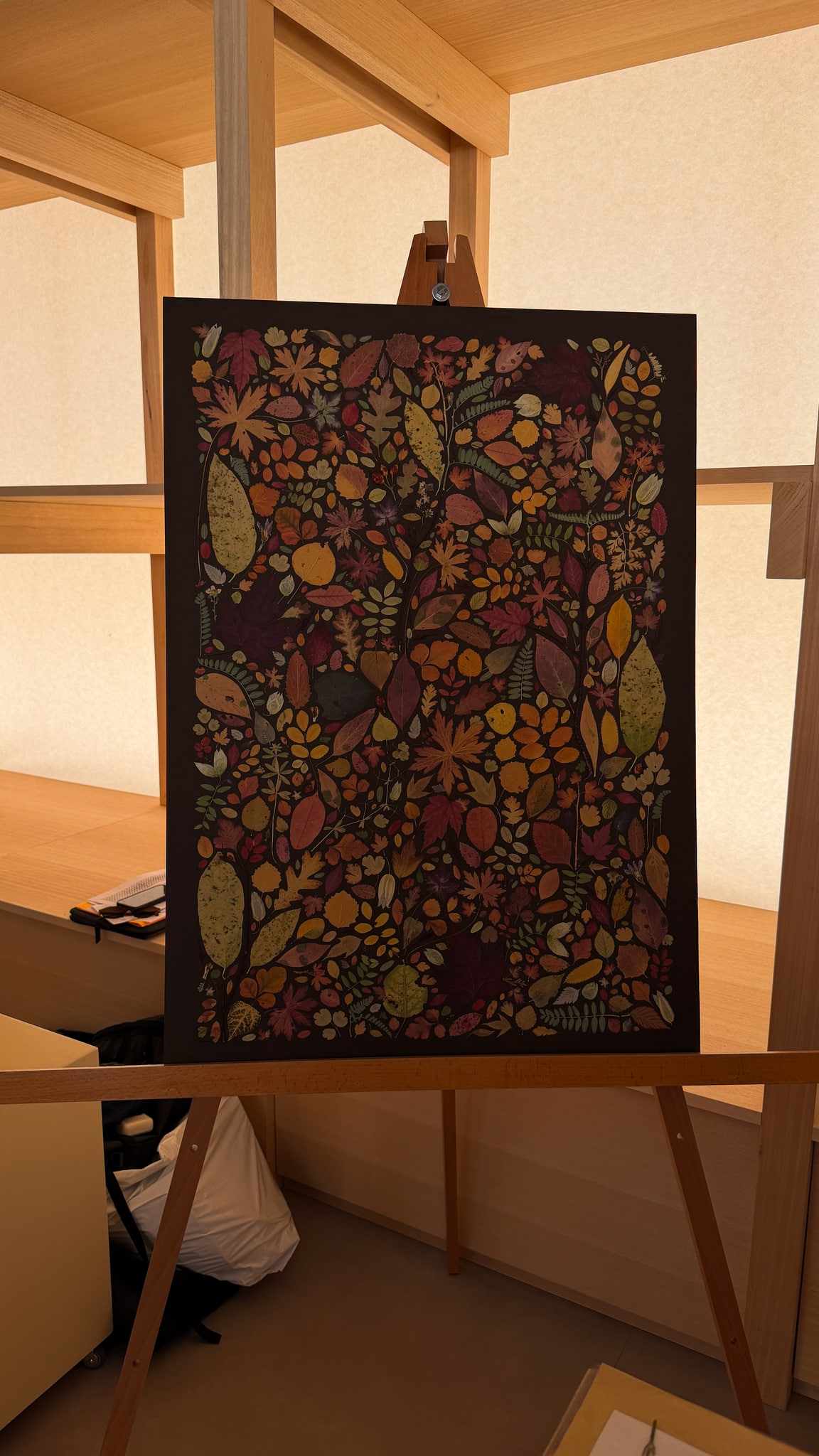
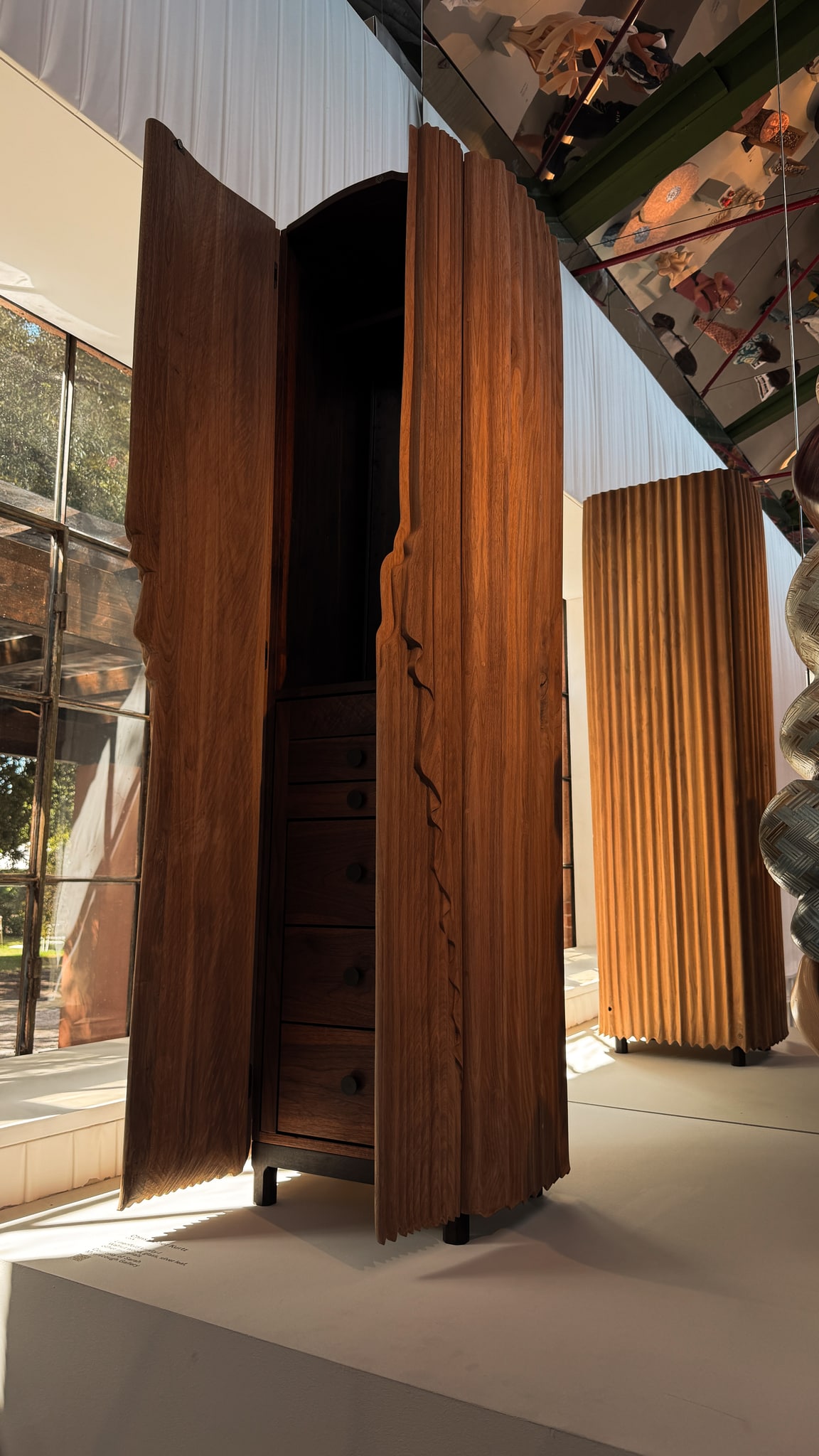
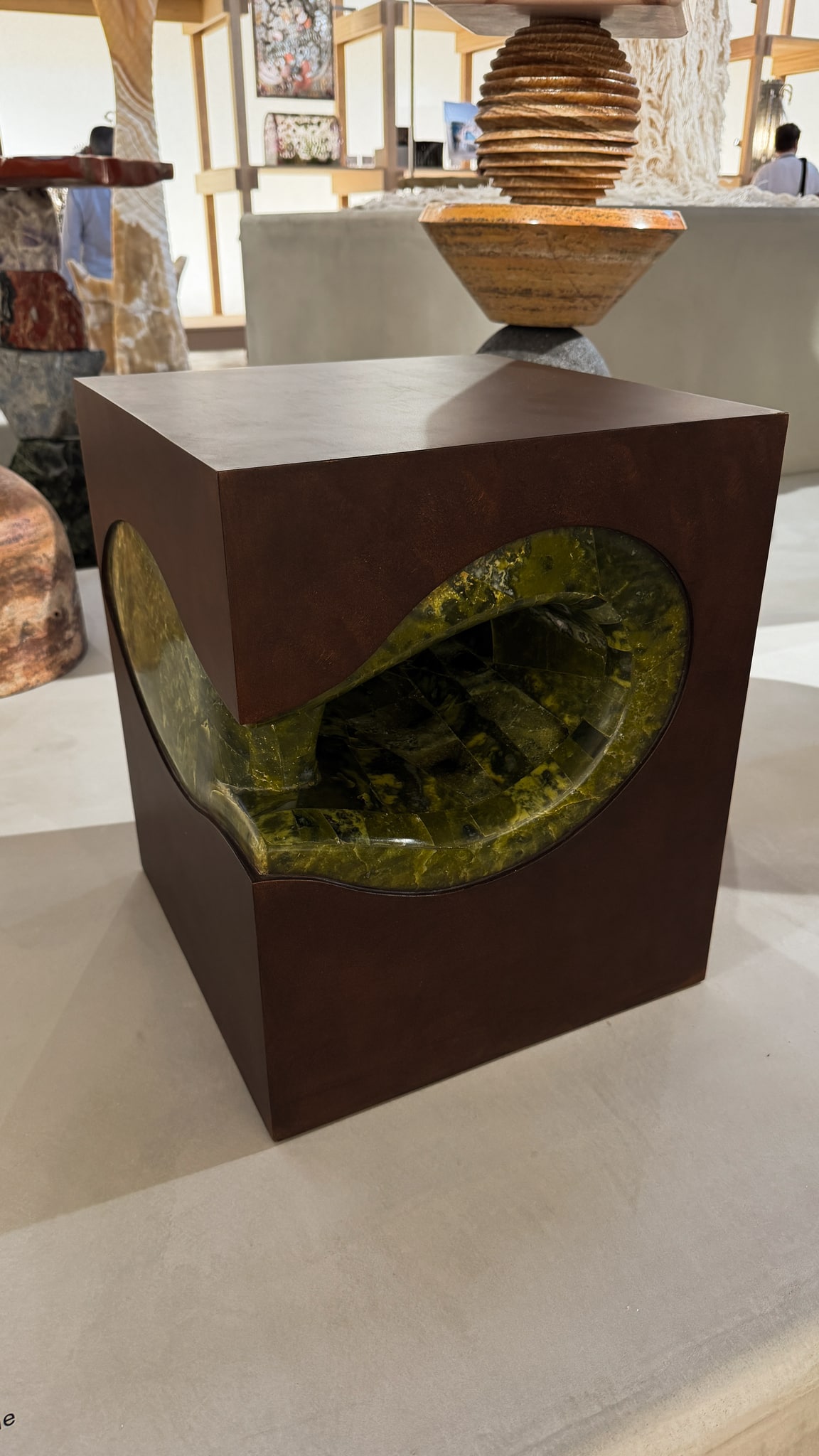
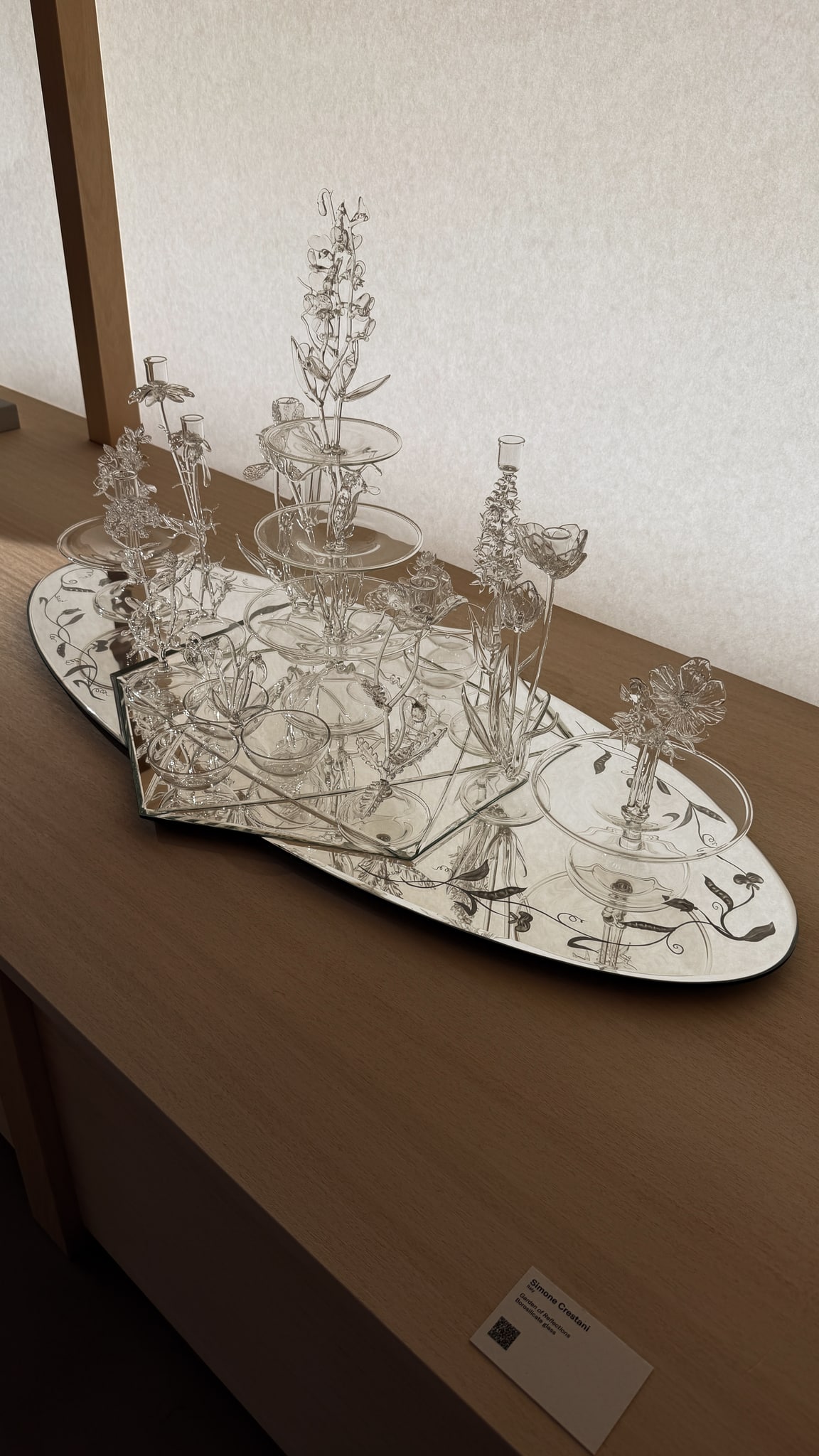
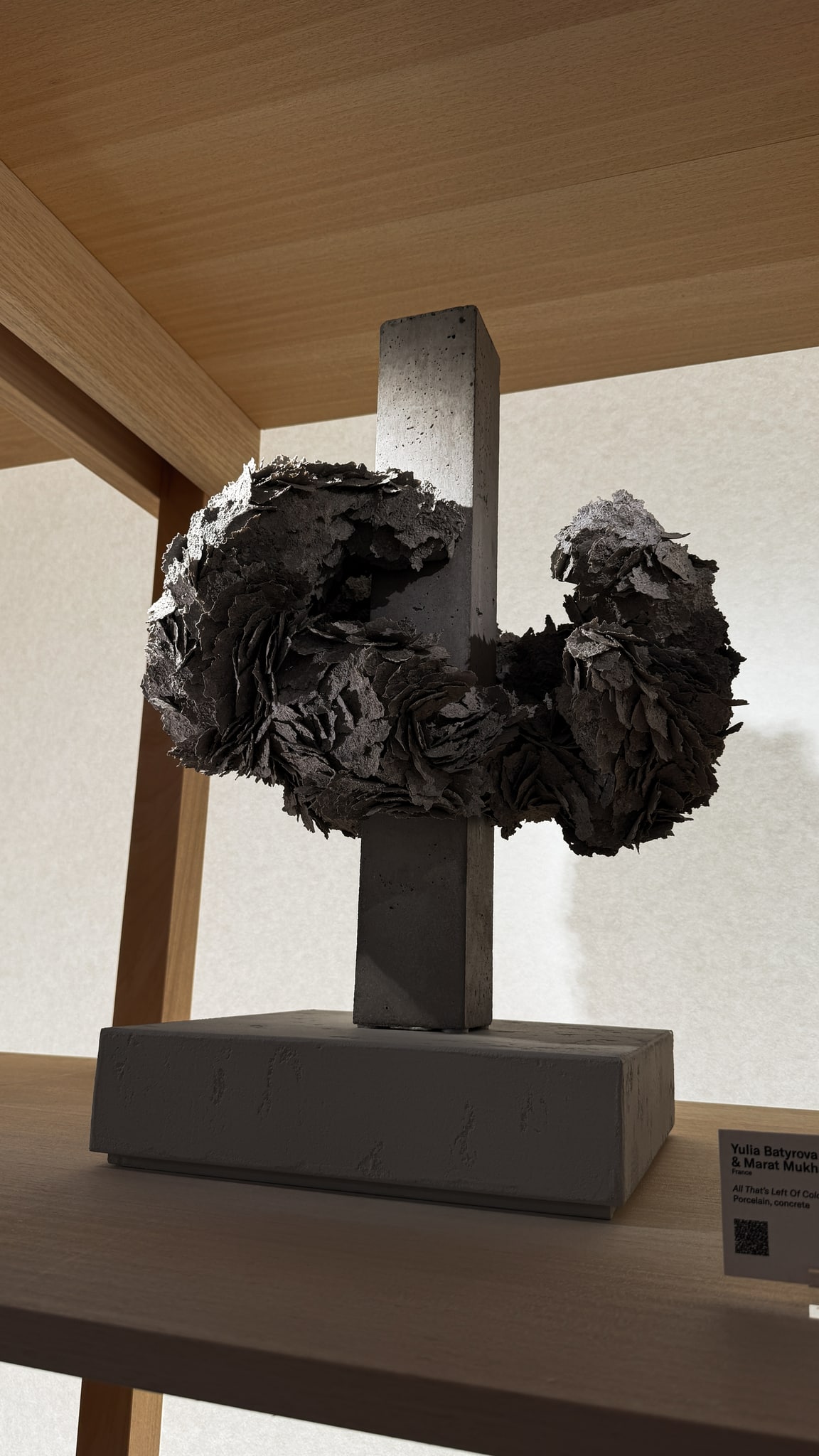
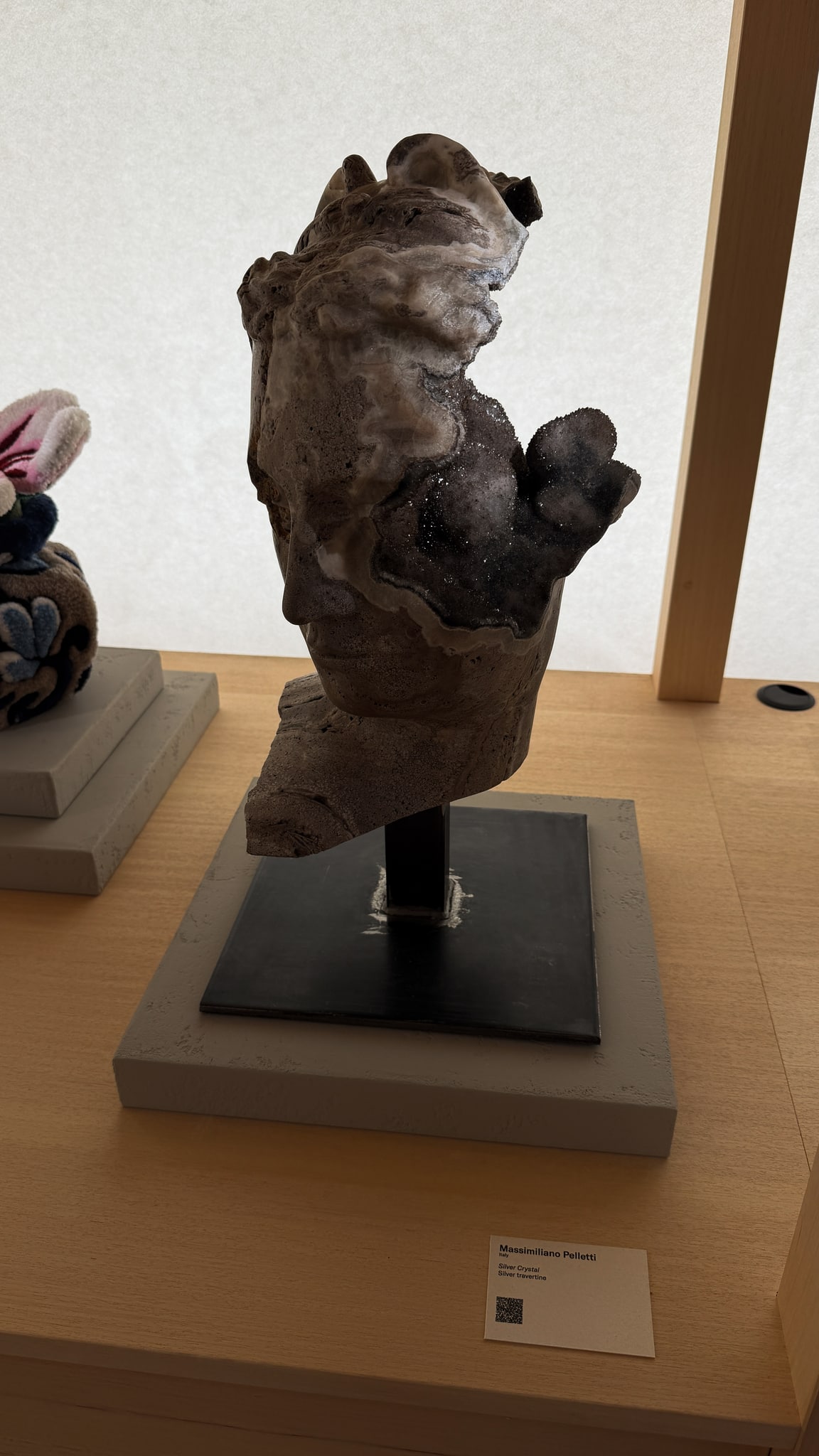
Then allow the experience to remain incomplete.
This is difficult because cultural travel has learned the logic of quantity. We count monuments, restaurants, exhibitions and neighbourhoods as though a journey becomes more valuable when fewer possibilities escape us.
Craft suggests another measure.
Not how much we managed to see, but how deeply we were able to experience it.
Making begins with exclusion. A material is chosen and others are left aside. A form emerges through a series of refusals. The artisan learns that attention becomes meaningful only when it is given a boundary.
The same principle can guide the way we visit.
To remain present with one object is to miss ten others. To stay and listen to one person is to arrive late somewhere else. To walk through Venice and let it reveal itself to you, without checking the next instruction, is to accept that the city will not be completed.
What do we gain?
Perhaps memories that last.
Not the blurred memory of having completed every pin, but the kind of memory we will tell people about for years, precisely because we stayed.
A conversation that moved beyond the obvious questions. A person whose way of seeing changed ours. An object that now carries a voice, a gesture and a story.
Let Venice reveal itself
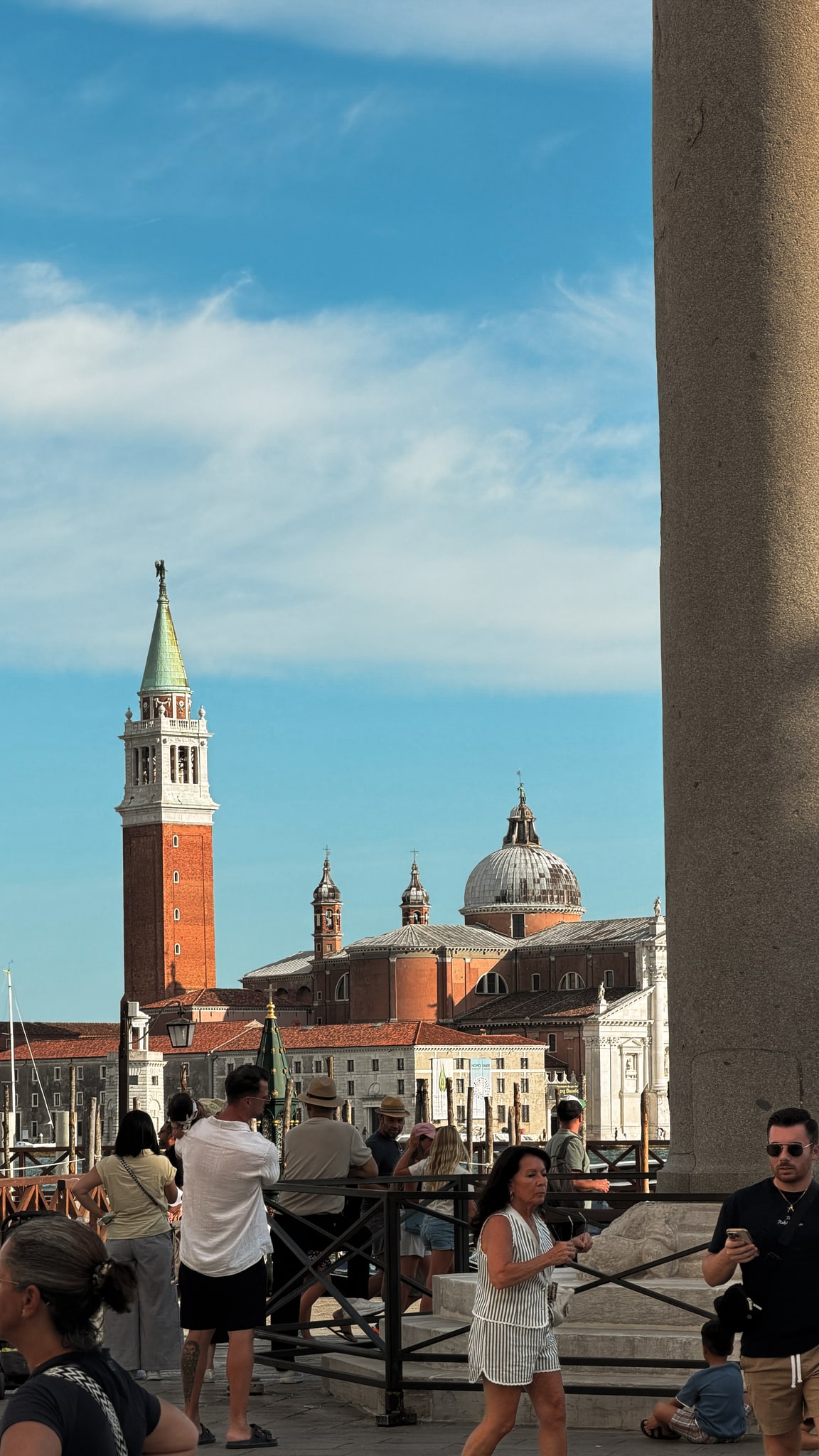
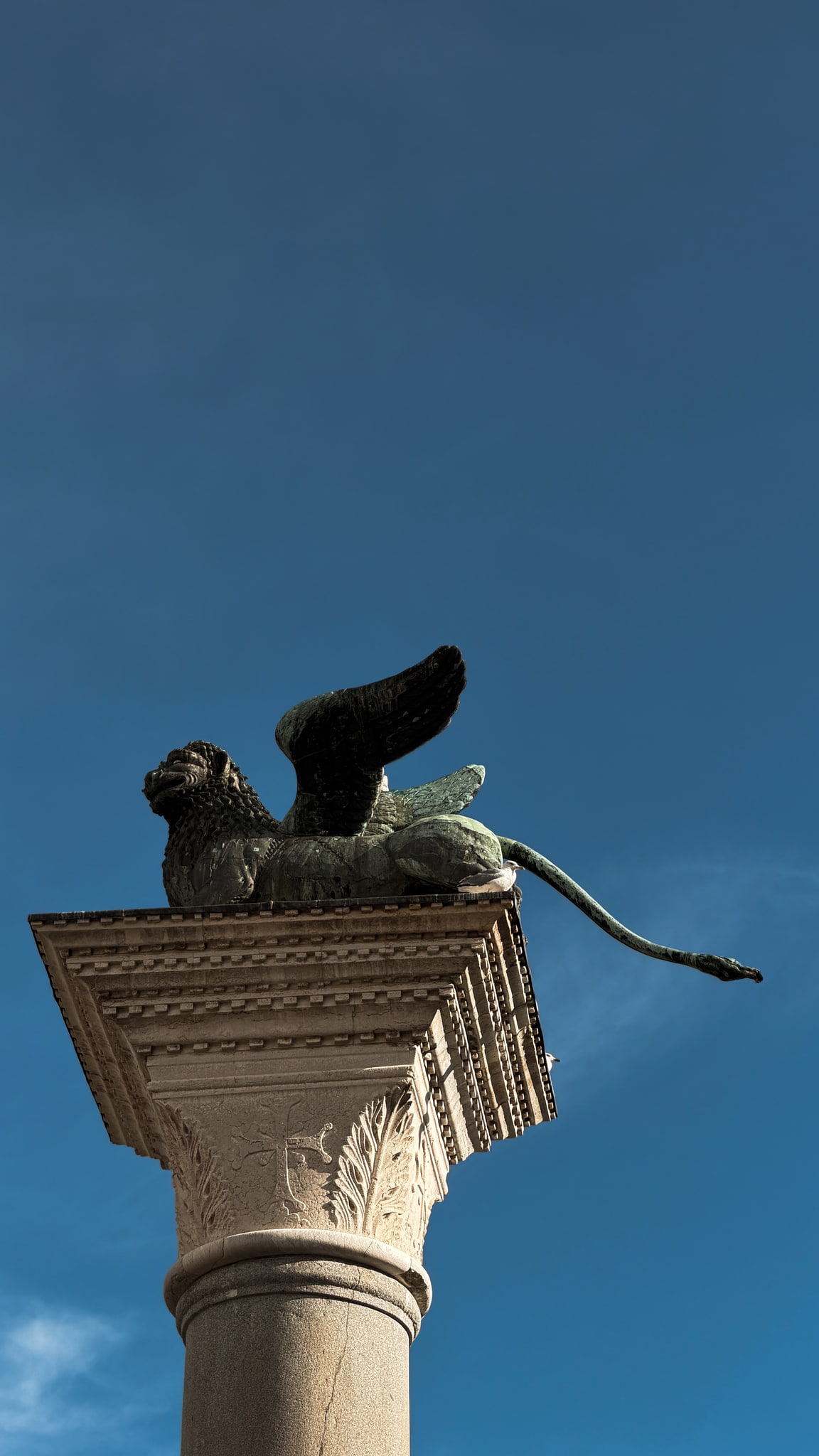
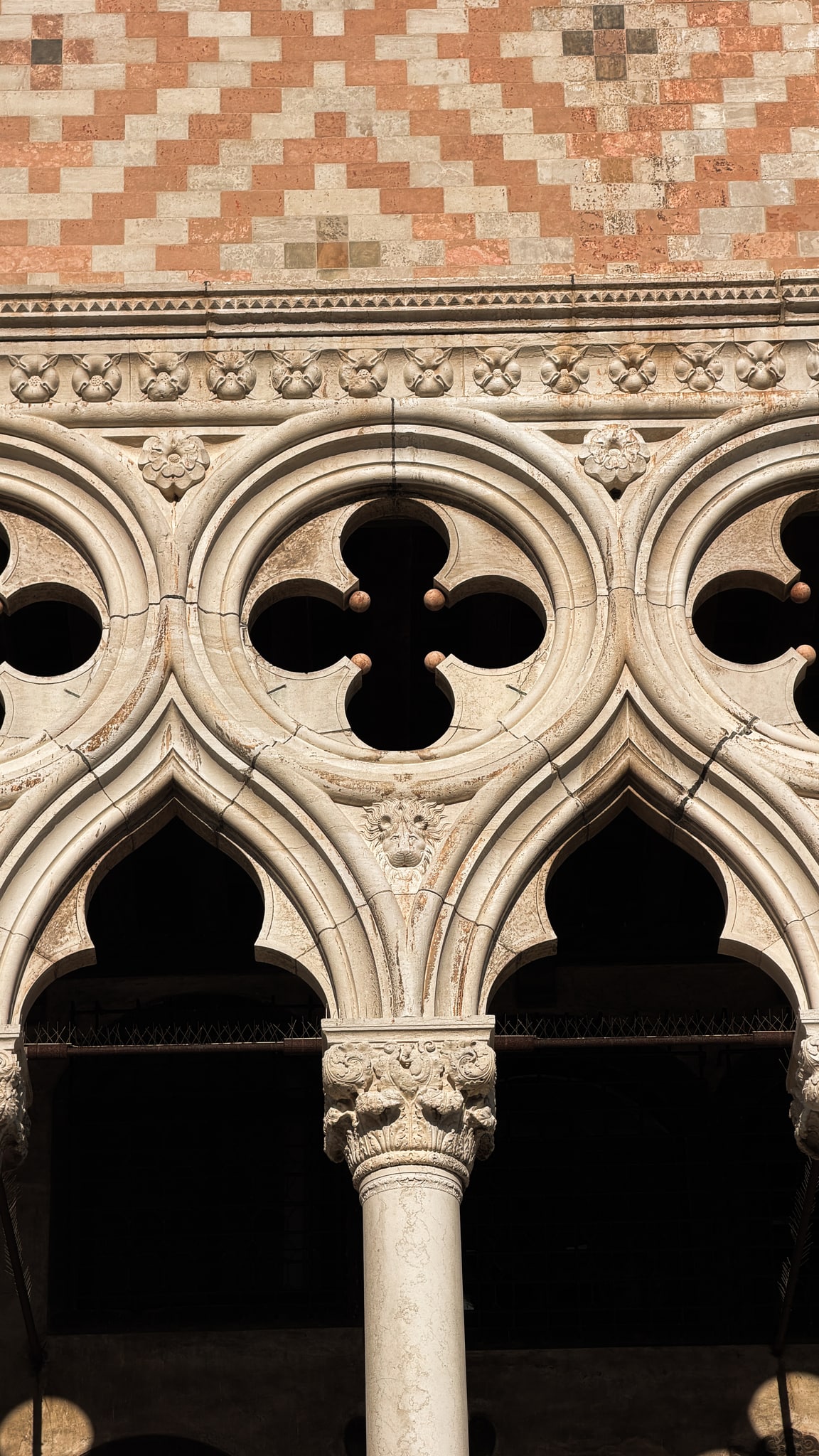
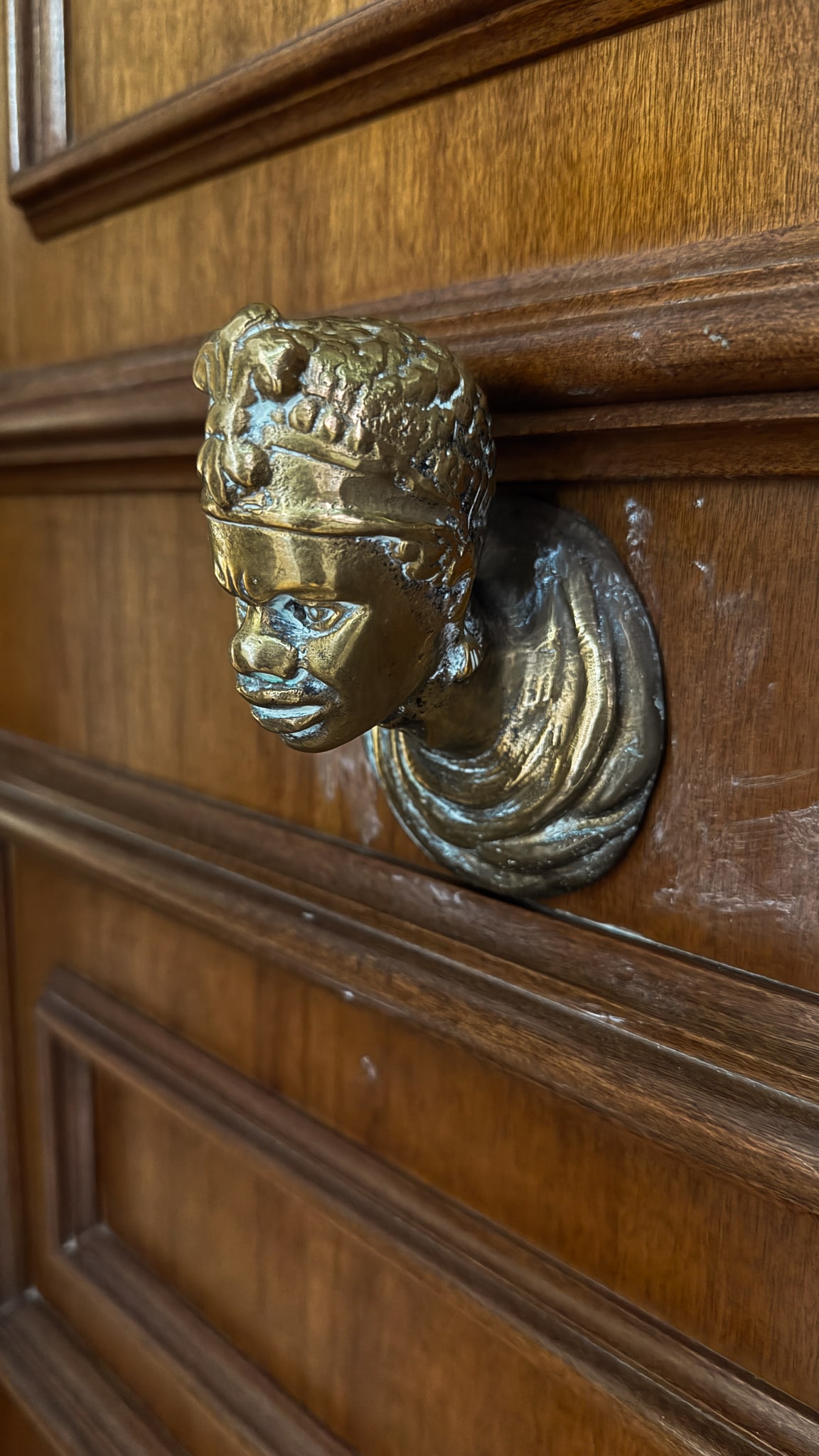
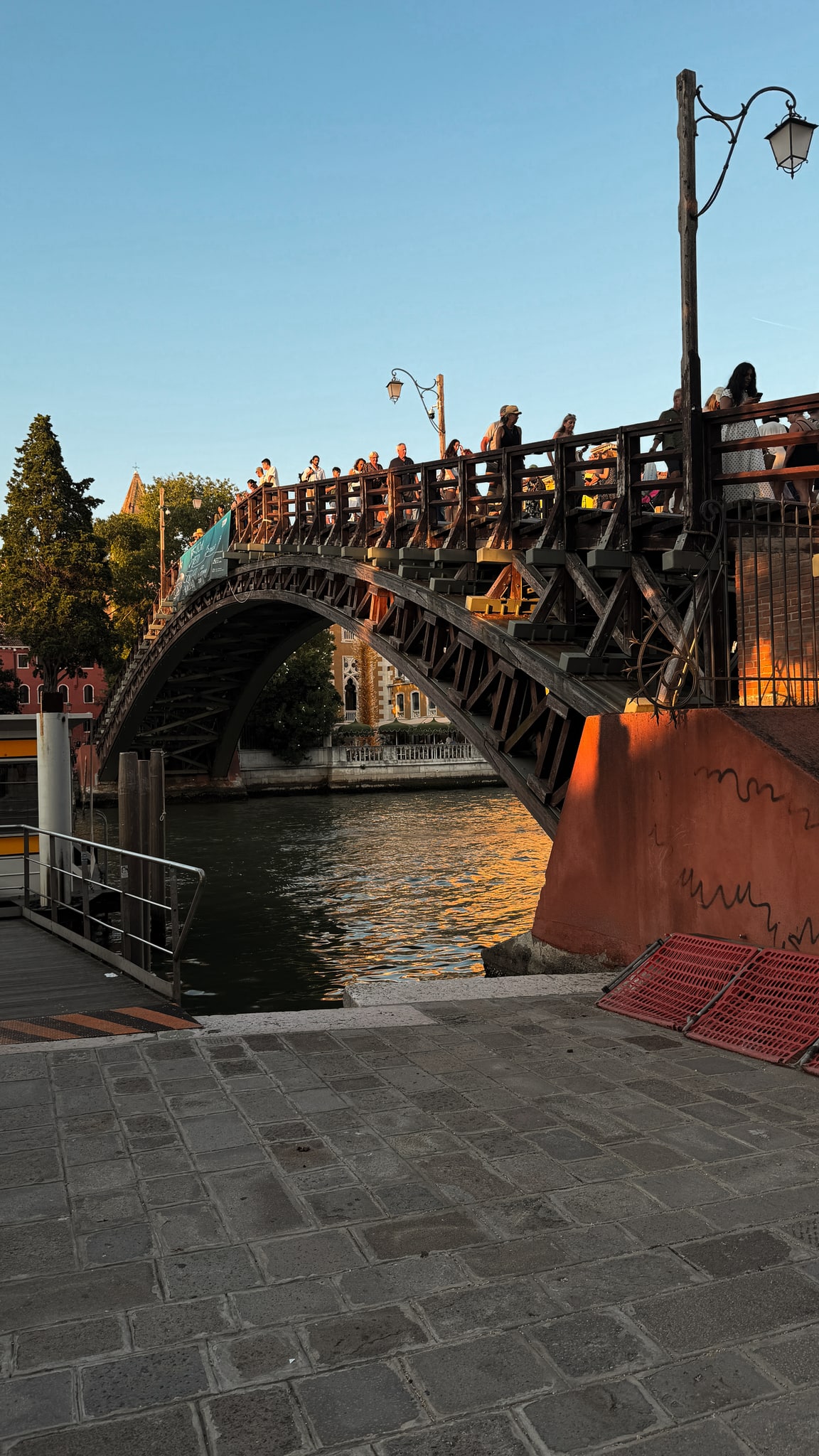
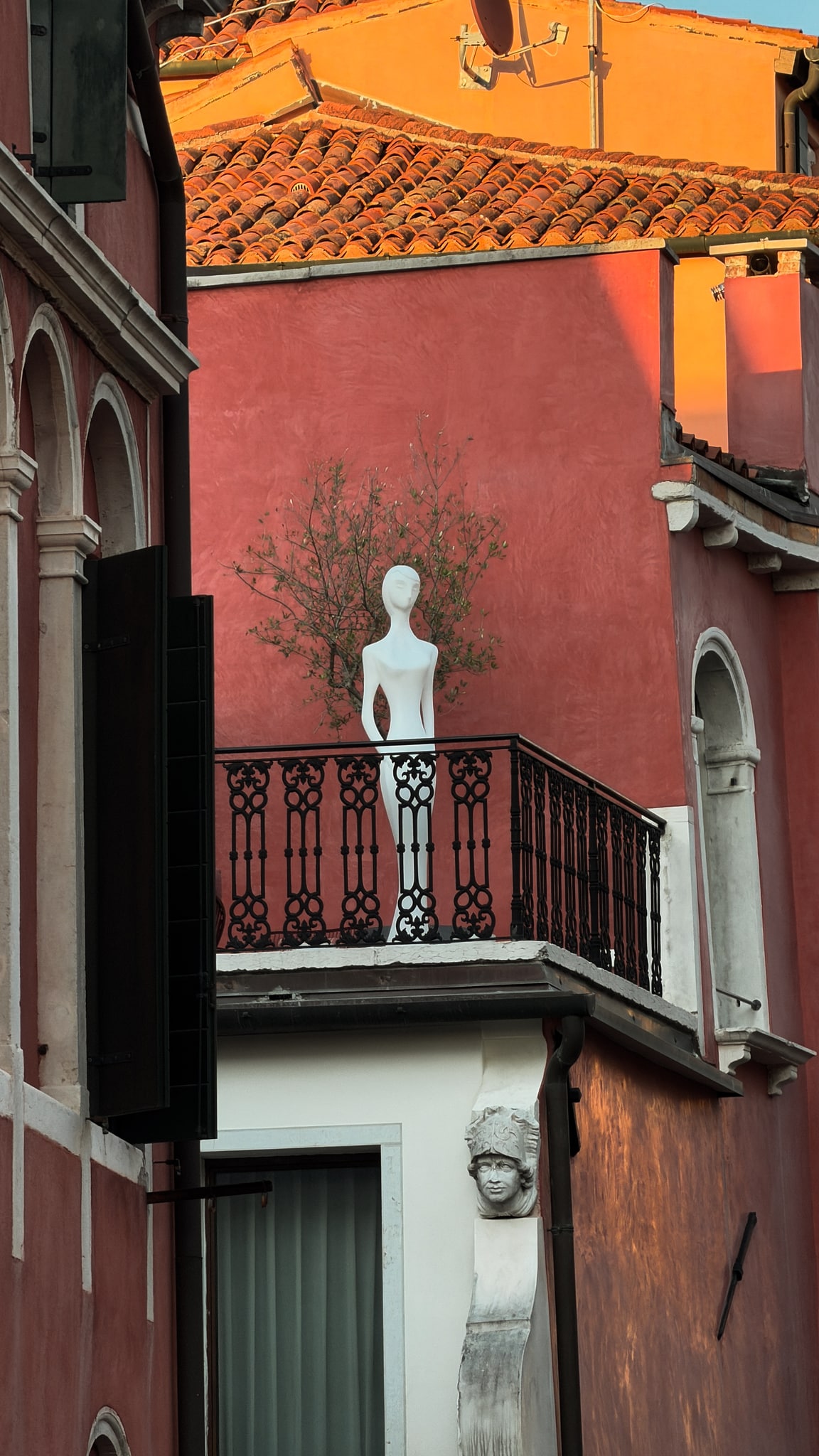
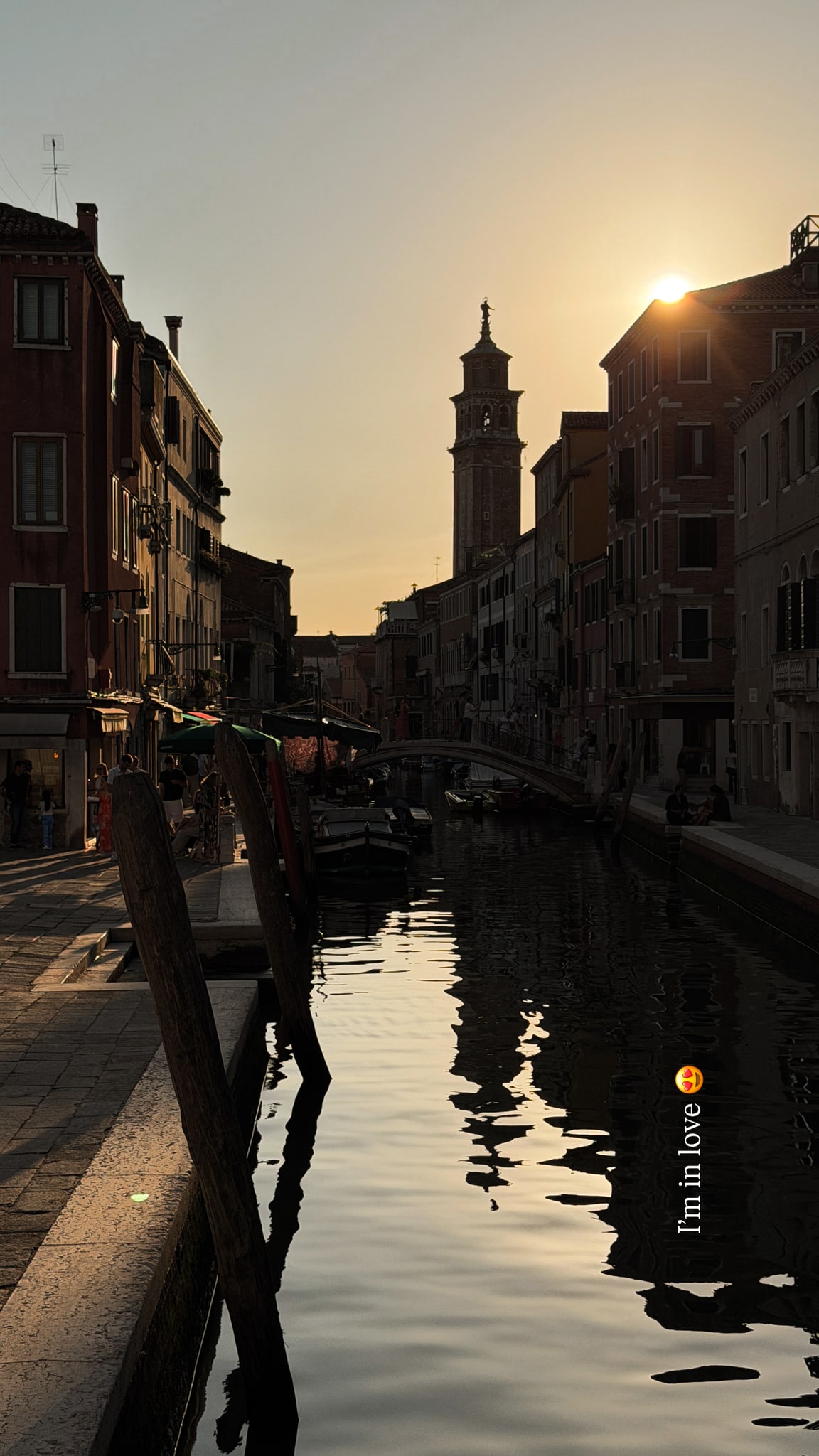
When we do not simply photograph and leave, a place has time to reveal itself, and we have time to respond.
The encounter becomes reciprocal.
We stop collecting evidence that we were there and begin forming a relationship with the people, objects and places we meet.
Homo Faber brings an extraordinary world of human creation together. We do not honour that abundance by consuming it as quickly as possible.
We honour it by allowing something to reach us, and by giving ourselves enough time to respond.
The most meaningful visit may not be the one in which nothing was missed.
It may be the one in which something stayed with us.
Tell us about a place where something unforgettable happened simply because you stayed a little longer.