Classico 375 ml
Floral and peppery, with apple and artichoke underneath.
The autumn harvest of the Sabina, picked by hand and pressed within twenty-four hours.
The everyday bottle, if your everyday deserves this. Picking follows the weather and the phases of the moon, the fruit goes to the mill within twenty-four hours, and the oil comes out cold, with nothing added and nothing corrected.
That speed is where the polyphenols survive. Libellula measures 350 to 400 mg/kg in the Classico, several times what a supermarket extra virgin carries, and you can taste it in the peppery finish at the back of the throat.
Raw, on bread, on soup, on anything that would be worse without it.
We tell the story of Libellula and open the door. The purchase, the shipping and the proceeds stay theirs, we live on a small fee.
Discover who is behind Classico 375 ml, the process and the values.
Meet the artisan →Questions? Talk to the maker →Pressing within twenty-four hours is not a detail.
- ·A more vibrant, fresher flavour: grassy, herbaceous, green.
- ·A peppery finish, which is the sign of a high polyphenol content.
- ·More antioxidants (polyphenols and vitamin E), which fall away as olives sit after picking.
- ·Less oxidation and lower acidity, so the oil is cleaner and more stable.
- ·A longer life in the bottle, because that freshness protects the oil on its own.
Camillo Franchi Scarselli never imagined he would become an olive grower.
For years, he ran a marketing agency in Rome. Everything changed when he moved to the hills of the Roman Sabina and discovered a landscape where olive trees had shaped both the land and the people for centuries.
At the same time, his daughter Julia was studying environmental science and architecture in the United States.
When she returned home, they both realised something alarming.
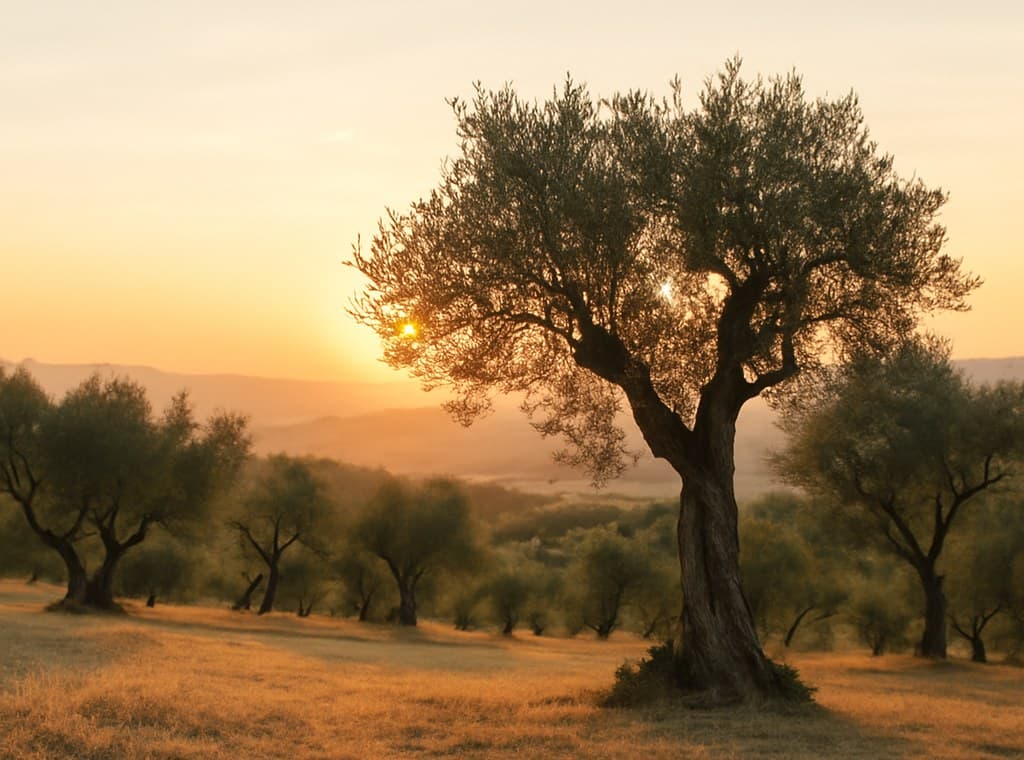
The groves that had defined the Sabina for generations were slowly disappearing: climate change had made harvests less predictable, production costs kept rising, young people were leaving the countryside, and for many families, continuing simply no longer made economic sense. Libellula was born as a response to that reality.
Not simply to produce olive oil, but to create a model that could make preserving these groves economically sustainable again.
Today, Libellula works with a network of small family growers around Palombara Sabina, helping preserve both the landscape and the knowledge behind it.
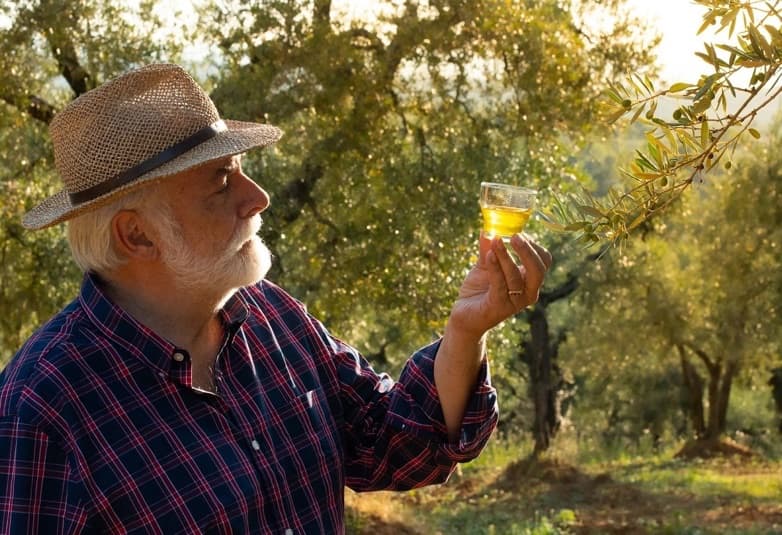
Their olive adoption programme allows people to support the restoration of abandoned groves, while every bottle reflects the same philosophy: olives harvested by hand, grown without pesticides and pressed within twenty-four hours of harvest to preserve the freshness, vibrant flavour and naturally high antioxidant content of the fruit.
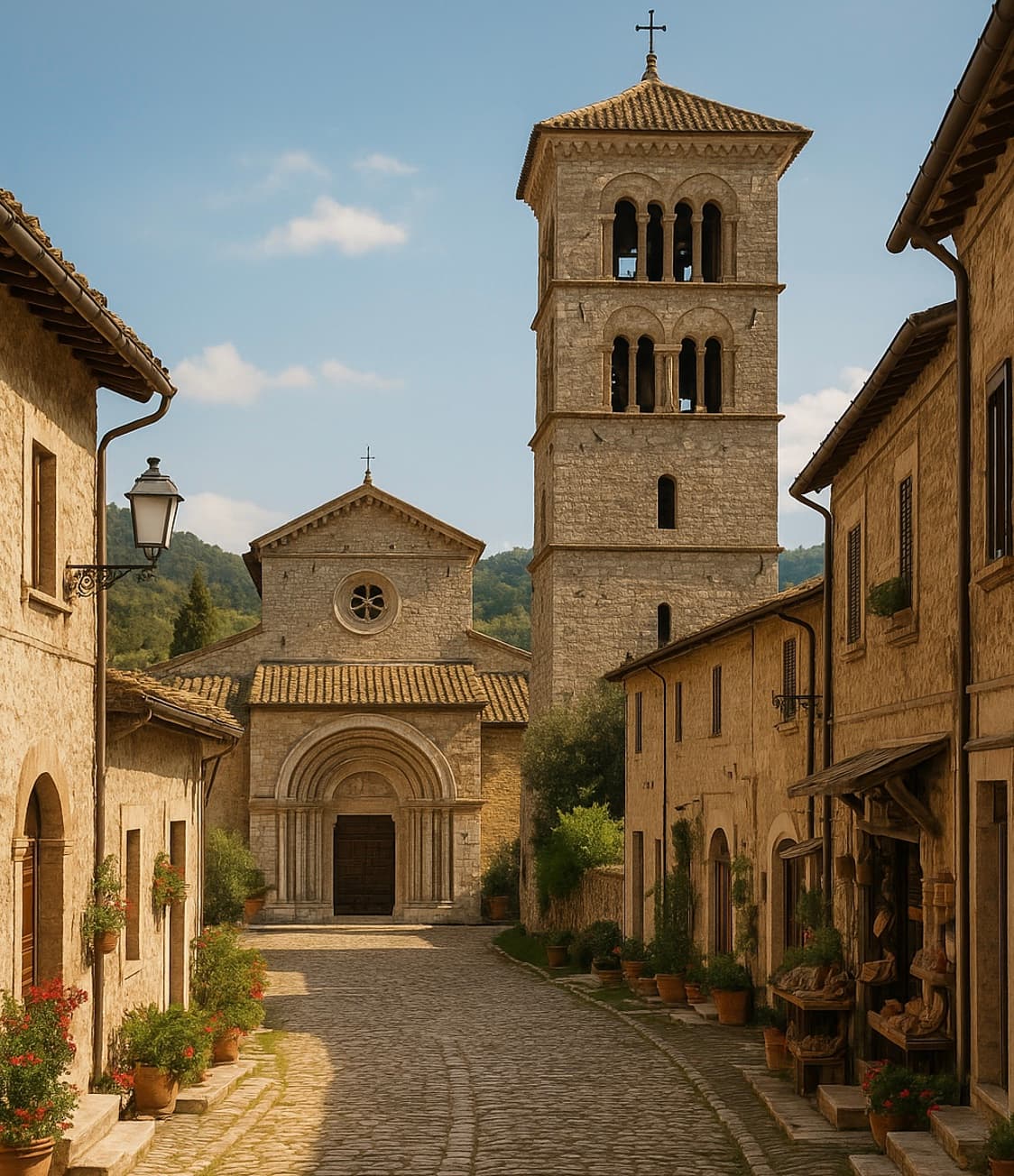
In recent years, the family has also opened the doors of their home, welcoming just five guests at a time to experience the Roman Sabina through its olive groves, abbeys, imperial villas and slower rhythm of life.
More experiences
Good to know
What's included?
375 ml bottle, autumn harvest. Sabina D.O.P. growing standards. 350 to 400 mg/kg polyphenols. Picked by hand, cold-pressed within twenty-four hours. Regenerative farming, no pesticides. Shipped by the producer.
How long does it last?
Best within eighteen months of the harvest, kept away from light and heat.
How much does it cost?
375 ml: From $32
Where does it take place?
Palombara Sabina, Lazio
When is it available?
New harvest every autumn · Ships from Palombara Sabina
Talk to the maker
A question about this experience, the dates or anything else? Message the maker directly and they’ll get back to you.
Get in touch